 LNEYA Chiller

heater for oil tank
Heater for Oil Tank: Maintaining Temperature in Oil Storage
Oil tanks, especially in the oil and gas industry, require heaters to maintain the oil’s temperature and ensure its proper flow. Heaters for oil tanks are engineered to provide efficient and safe heating, preventing the oil from becoming viscous and difficult to pump due to low temperatures.
Principles of Operation
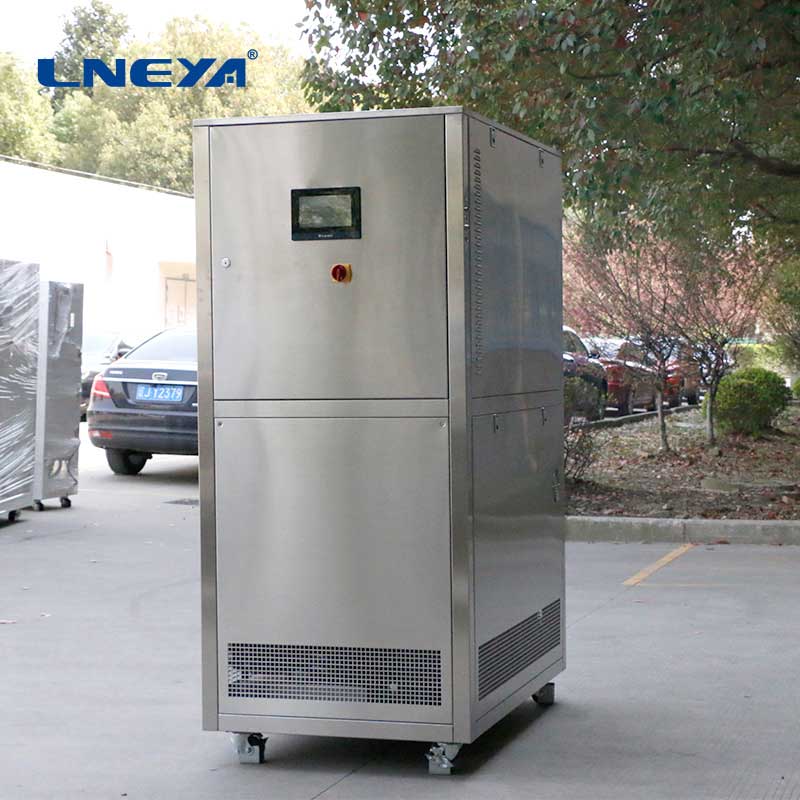
Heaters for oil tanks work based on the principles of heat transfer, either through direct contact with the oil (immersion heaters) or by heating a fluid that then transfers heat to the oil (indirect heaters). Immersion heaters offer efficient heat transfer due to their direct contact with the liquid, ensuring rapid heating and reducing energy consumption compared to other methods.
Efficiency
Efficiency in heaters for oil tanks is crucial as it directly impacts energy costs and the environment. High-efficiency thermal fluid heating systems can reach up to 90% efficiency, using various fuels and operating over a wide range of temperatures and pressures. Efficient heaters minimize energy waste and reduce operational costs.
Safety Features
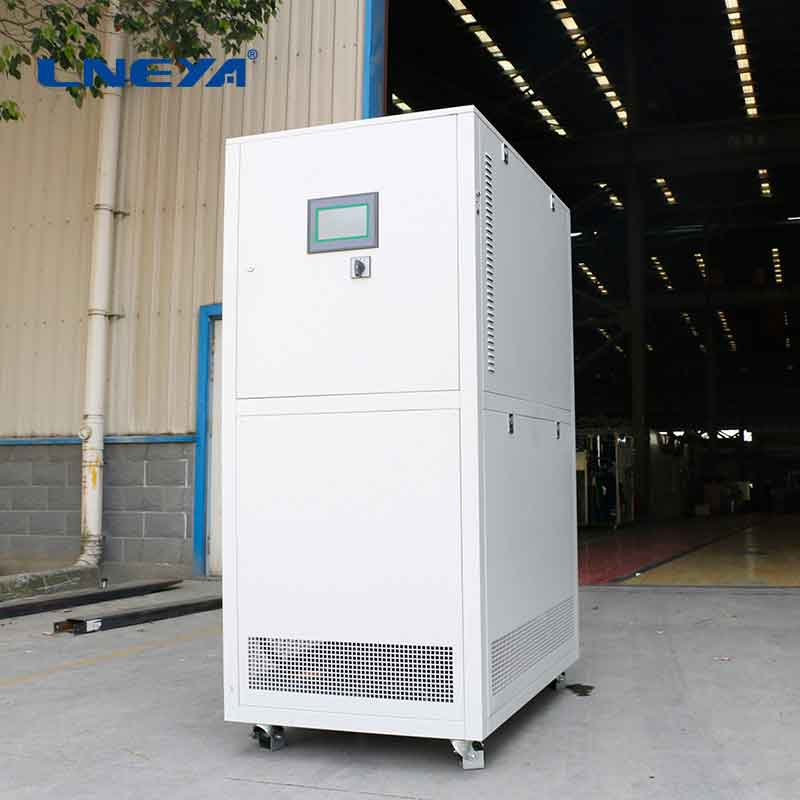
Safety is paramount in the design and operation of heaters for oil tanks. These heaters are equipped with automatic shut-off systems, pressure relief valves, and flow monitors to prevent dry running of pumps and unit overheating. Features like expansion vessels and nitrogen blankets protect the oil from oxidation and prevent flammable vapors from escaping into the atmosphere.
User Convenience
Modern heaters for oil tanks are designed with user convenience in mind. They often include digital controls and remote monitoring capabilities, allowing for precise temperature control and ease of operation. Some systems can automatically switch between heating modes based on external temperature conditions, reducing the need for manual intervention.
Maintenance
Regular maintenance is essential for the optimal performance and longevity of heaters for oil tanks. This includes checking for leaks, inspecting heat exchangers, and ensuring that the control systems are functioning correctly. Proper maintenance also involves ensuring that the thermal fluid is free from contamination and that the heating elements are in good condition.
Industry Standards
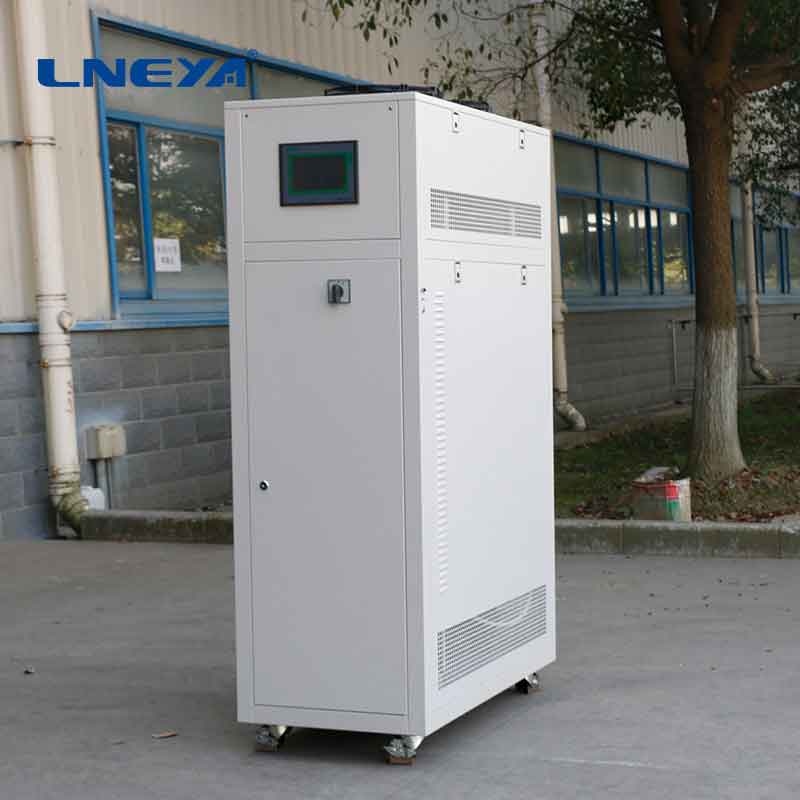
Industry standards play a vital role in regulating the specifications and performance of heaters for oil tanks. Specifications like those developed under Joint Industry Programme 33 (JIP33) “Standardization of Equipment Specifications for Procurement” by the International Oil & Gas Producers Association (IOGP) provide a common and jointly agreed specification, building on recognized industry and international standards.
Applications
Heaters for oil tanks are used in various applications across different industries. In the oil and gas industry, they are used for heating and blending crude oil in storage tanks to prevent sludge formation and ensure smooth pipeline transportation. They also play a role in maintaining the desired temperature and quality of oil, preventing damage to facilities and pumps.
Conclusion
Heaters for oil tanks are essential in maintaining the流动性 and preventing wax buildup in oil storage, especially in cold regions. They offer efficient heat transfer, precise temperature control, and are designed with safety and user convenience in mind. Adherence to industry standards ensures their reliability and efficiency, making them a critical component in the oil and gas industry and other sectors where temperature control of oil is necessary.
This content is copyrighted by LNEYA. If there is any infringement, please contact email: Lilia@lneya.com
The prev: circulation heaterThe next: heater control system
Related recommendations

industrial water chiller singapore
465Industrial Water Chillers in Singapore: Efficiency and Innovation Singapore's position as a hub for pharmaceuticals, food and beverage, and technology manufacturing makes industrial water chill...
View detailssmardt water cooled chiller
886Introduction to Smardt Water-Cooled Chillers Smardt water-cooled chillers are at the forefront of large tonnage cooling solutions, providing efficient and reliable cooling for a variety of appl...
View detailsWhat should be paid attention to during the debugging operation of air cooled water chillers?
1160What should be paid attention to during the debugging operation of air cooled water chillers? 1. Pressure and leakage test: Close the valves in the air-cooled chiller unit that a...
View detailsThe Difference between Open Chiller and Water-cooled Box Chiller
1740The Difference between Open Chiller and Water-cooled Box Chiller Everyone knows that chillers can be classified in various and complicated ways. It is mainly divided into two types: air-coole...
View details




HelloPlease log in