 LNEYA Chiller

industrial chiller cost
Understanding Industrial Chiller Cost
Industrial chillers are essential for maintaining optimal temperatures in various commercial and industrial processes. The cost of these chillers is a significant consideration, as it affects not only the initial investment but also the long-term operational expenses. This article delves into the factors that influence the cost of industrial chillers and the benefits of energy efficiency in reducing overall costs.
Factors Affecting Industrial Chiller Cost
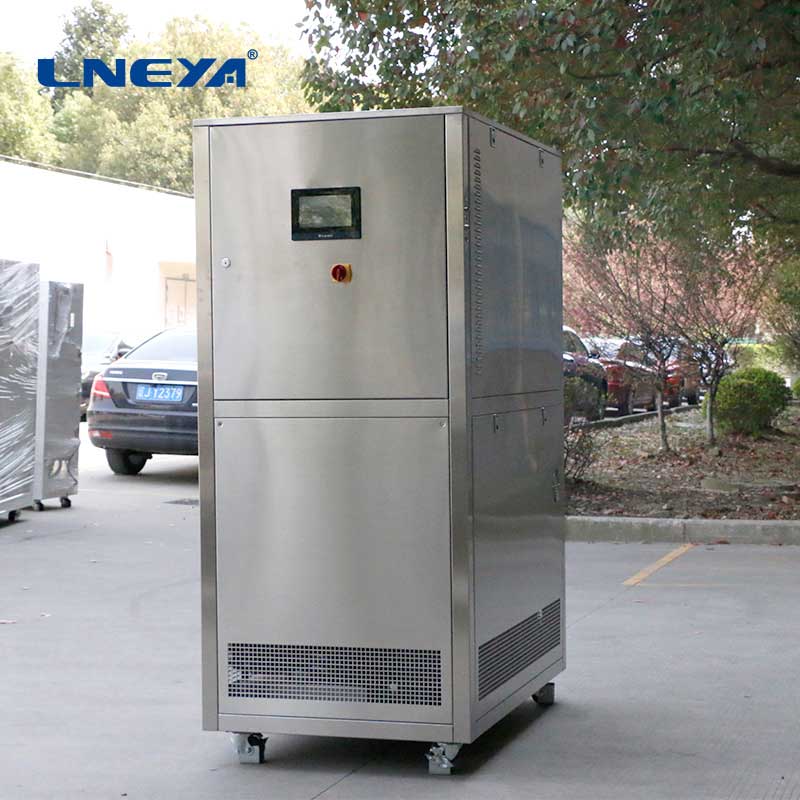
Equipment Costs: The type, size, and features of the chiller significantly impact its cost. Centrifugal chillers are generally the most expensive, followed by screw and scroll chillers. Larger chillers tend to be more costly, and additional features like glycol removal pumps and variable speed drives can increase the price.
Installation Expenses: The complexity of the installation process, the physical location of the chiller, and the size of the building affect installation costs. Remote locations with difficult access can increase these expenses.
Repair Expenses: Chillers will require repairs over their lifespan, which may involve replacing components such as compressors and fans or addressing unexpected failures. Regular maintenance by experienced technicians can reduce overall expenses and extend the chiller’s lifespan.
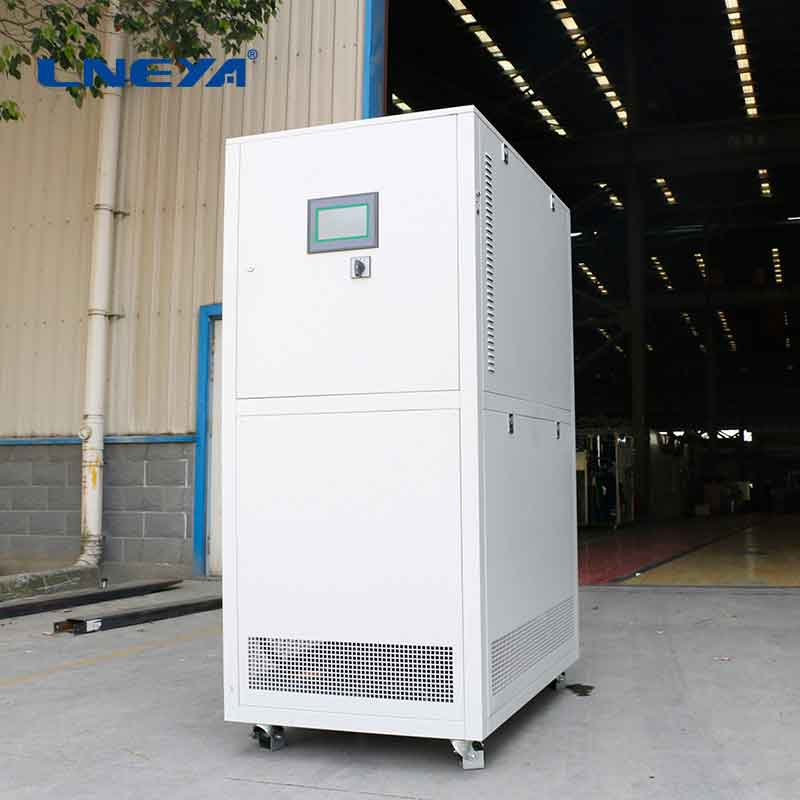
Maintenance Expenses: Regular maintenance, including cleaning, lubrication, calibration, and testing, is necessary for chiller operation. The cost of maintenance depends on the chiller type and size.
This metric helps in understanding the chiller’s cost of production of one ton of refrigeration, which is equivalent to the cooling effect produced when 1 ton of ice melts in 24 hours (12,000 Btuh).
Benefits of Energy Efficiency
Energy-efficient chiller systems can lead to significant cost savings. By optimizing setpoints in the original control strategy, the average global energy-saving rate of the chiller plant can reach up to 8.5%. Additionally, studies have shown that energy-efficient chiller systems with effective control measures can reduce the kW/TR, leading to better cooling results with high energy and cost savings.
Conclusion
The cost of industrial chillers is influenced by various factors, and understanding these is crucial for making informed investment decisions. Energy efficiency plays a significant role in reducing operational costs and should be considered when selecting a chiller. It is recommended to consult with HVAC professionals or chiller suppliers to determine the most suitable chiller for specific requirements and budget constraints. Investing in a high-quality, energy-efficient chiller can result in long-term savings and optimal performance for commercial or industrial cooling applications.
This content is copyrighted by LNEYA. If there is any infringement, please contact email: Lilia@lneya.com
The prev: 80 ton air cooled chillerThe next: industrial chiller plant
Related recommendations

water cooled chiller manufacturer
690Introduction to Water Cooled Chiller Manufacturers Water cooled chiller manufacturers are at the forefront of providing solutions for temperature regulation in industries where precise cooling ...
View detailstemperature cooling system
229Temperature cooling systems are essential in numerous settings, from homes and offices to large - scale industrial facilities. These systems are engineered to regulate temperature, ensuring comfor...
View detailssmall thermal chamber
473Small Thermal Chamber: A Comprehensive Guide Introduction A small thermal chamber is an essential tool in various industries and scientific fields, designed to create a controlled environmen...
View detailsThe Difference between Heat Pump Chiller and Industrial Chiller
1327The Difference between Heat Pump Chiller and Industrial Chiller The principle of heat pump chiller and industrial chiller is exactly the same. Heat pump is a refrigeration system that provid...
View details




HelloPlease log in