 LNEYA Chiller

heater control system
Heater Control System: Automation and Optimization in Heating
Heater control systems play a critical role in managing heating processes, ensuring thermal comfort, and optimizing energy consumption. With advancements in technology, these systems have become more sophisticated, integrating artificial intelligence (AI), the Internet of Things (IoT), and other smart technologies to enhance their performance.
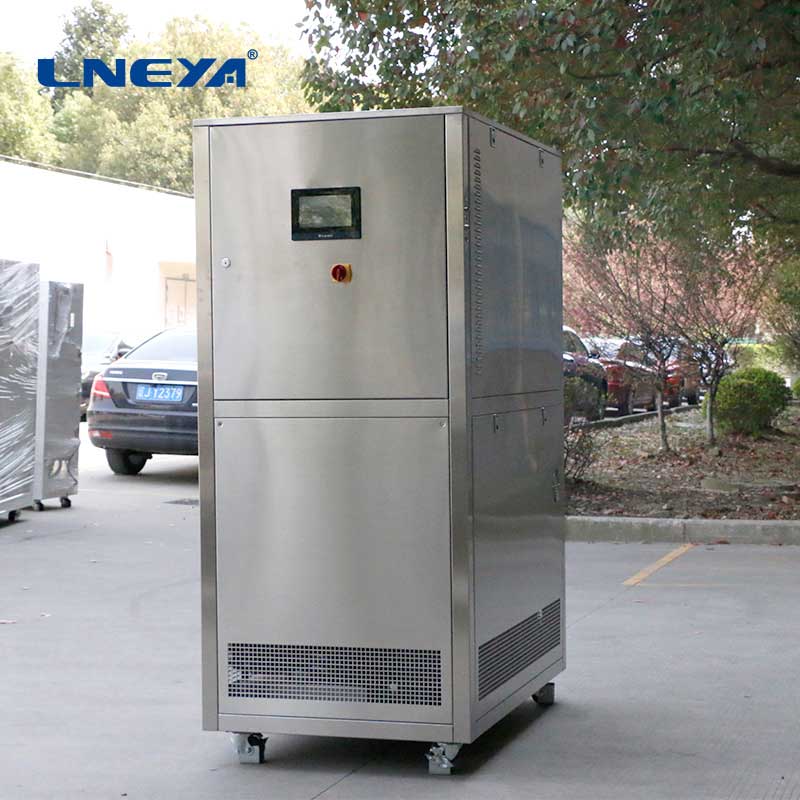
Principles of Heater Control Systems
Heater control systems operate on the principles of feedback and control theory. They monitor the temperature of a space and adjust the heating output to maintain a desired setpoint. Advanced systems use sensors to collect data and employ algorithms to make real-time decisions, improving efficiency and reducing energy waste.
Efficiency and Energy Savings
Efficiency in heater control systems is crucial for energy savings. Deep reinforcement learning (DRL) techniques have been applied to heating control, automating decision-making in real-time with minimal dependency on historical data. Studies indicate that DRL-based smart heating controllers can improve thermal comfort by 15% to 30% and reduce energy consumption by 5% to 12% compared to traditional thermostats.
Safety Features
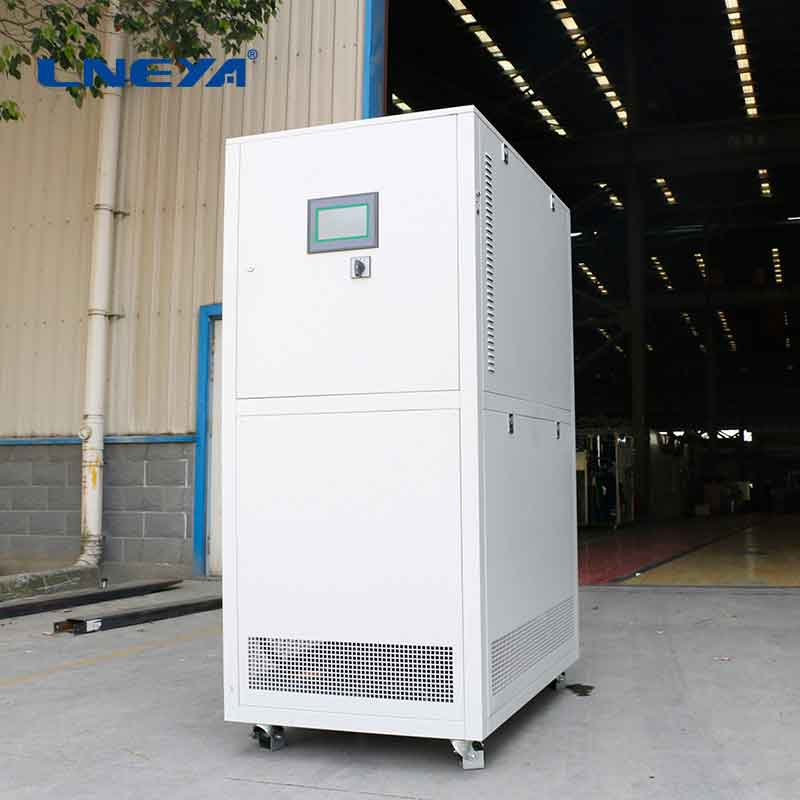
Safety is a paramount consideration in heater control systems. These systems are equipped with features such as automatic shut-off, temperature limits, and fault detection to prevent overheating and damage. IoT-enabled systems can also provide remote monitoring and control, enhancing safety by allowing for immediate responses to potential issues.
User Convenience
Modern heater control systems are designed with user convenience in mind. They offer features like customizable temperature settings, scheduling, and remote access via smartphones or other devices. This allows users to control their heating systems from anywhere, ensuring comfort and energy efficiency according to their preferences.
Maintenance and Industry Standards
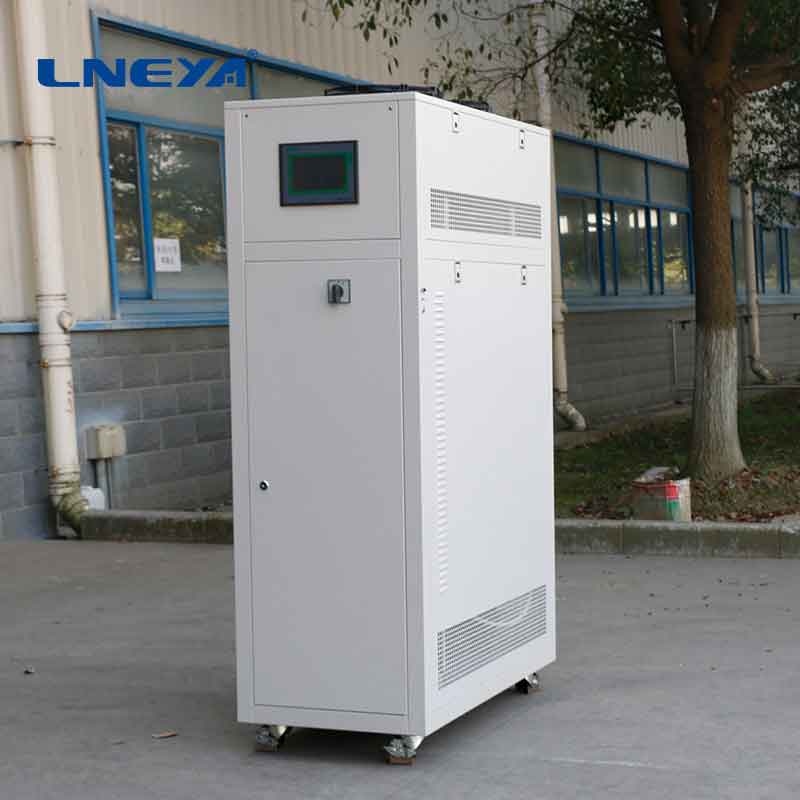
Regular maintenance is essential for the optimal performance of heater control systems. This includes checking for faults, calibrating sensors, and updating software. Industry standards, such as those provided by JIP33, regulate the specifications and performance of these systems, ensuring consistency and safety across different applications.
Applications and Industry Trends
Heater control systems are used in various settings, including residential, commercial, and industrial buildings. The trend towards smart buildings has led to an increase in the adoption of intelligent heating systems that integrate with other building management systems. IoT and AI technologies are at the forefront of this trend, offering improved control, automation, and energy efficiency.
Conclusion
Heater control systems are evolving with the integration of AI, IoT, and other advanced technologies, offering more efficient, safe, and user-friendly heating solutions. As the demand for smart buildings and sustainable heating practices grows, these systems will continue to play a vital role in managing thermal comfort and energy consumption effectively.
This content is copyrighted by LNEYA. If there is any infringement, please contact email: Lilia@lneya.com
The prev: heater for oil tankThe next: temperature controller unit
Related recommendations

temperature controlled water circulator
555Temperature-Controlled Water Circulator: Precision for Scientific and Industrial Processes A temperature-controlled water circulator, commonly known as a water bath circulator, is a vital compo...
View detailsvapour compression chiller
839Understanding Vapor Compression Chillers Vapor compression chillers (VCCs) are the backbone of many heating, ventilation, and air conditioning (HVAC) systems. They function based on the princip...
View detailsHow to prevent moisture in the process chillers?
1210How to prevent moisture in the process chillers? 1. Equipment installation location selection When selecting the location for installing process coolers, it is important to avoid...
View detailstesting of sensors
328IntroductionSensors are integral components in modern technology, enabling the measurement and detection of various physical, chemical, and biological quantities. From monitoring environmental co...
View details




HelloPlease log in