 LNEYA Chiller

hot water chiller system
Hot Water Chiller Systems: Efficiency and Applications
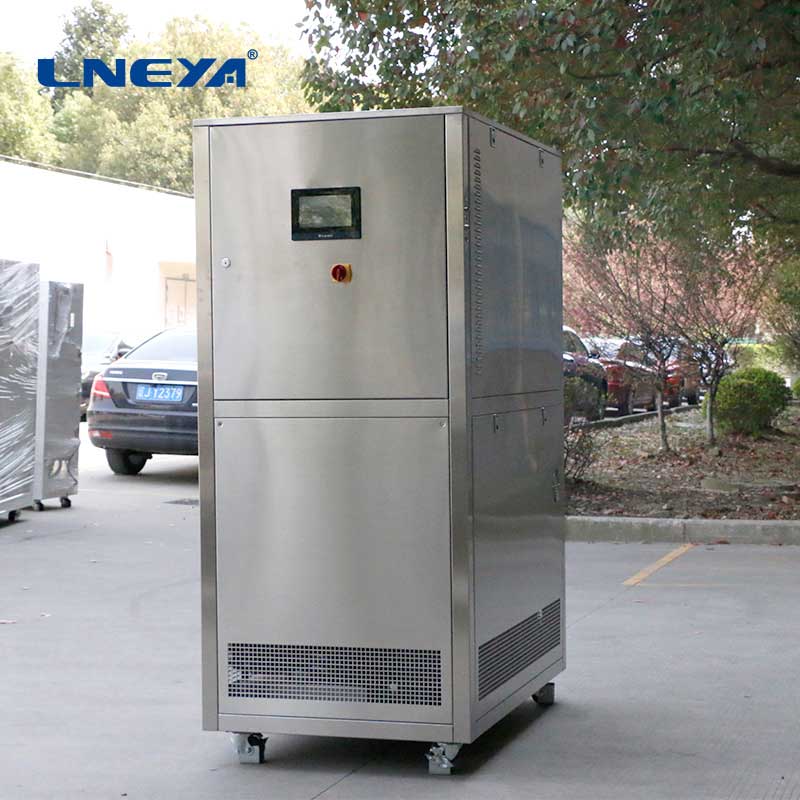
Hot water chiller systems are a type of HVAC technology that uses hot water as the driving energy source for cooling and heating applications. These systems are particularly useful in environments where waste heat or low-grade heat sources are available, making them an attractive option for energy recovery and sustainability.
Operation and Technology
Hot water chiller systems operate on the principle of absorption chilling, where hot water is used to drive the refrigeration cycle. The most common type of hot water chiller is the lithium bromide absorption chiller, which uses a lithium bromide solution as the absorbent and water as the refrigerant. The hot water heats the lithium bromide solution, causing it to absorb water from the refrigerant loop and produce a cooling effect.
Applications
Hot water chiller systems have a wide range of applications, including:
Commercial and Industrial Buildings: They are used for cooling large spaces in commercial and industrial buildings, providing a comfortable environment for occupants.
District Heating and Cooling: In urban developments, hot water chiller systems can be part of a district cooling system, providing centralized cooling to multiple buildings.
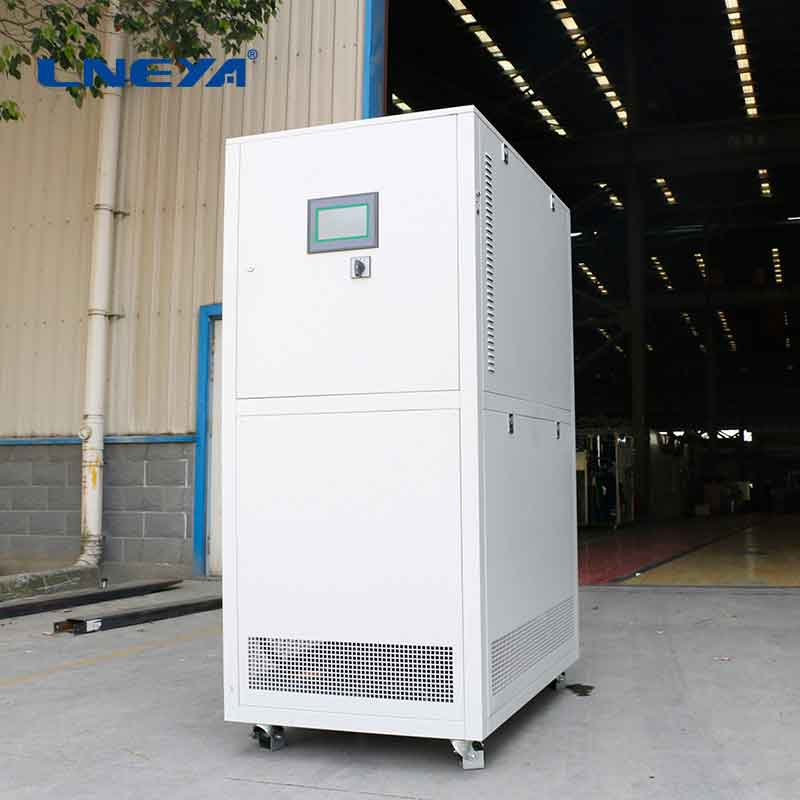
Industrial Processes: These systems are used in various industrial processes where precise temperature control is required, such as in the manufacturing and pharmaceutical industries.
Efficiency and Environmental Impact
The efficiency of hot water chiller systems is a critical aspect, as they can help reduce energy consumption and lower greenhouse gas emissions. Heat recovery chillers can capture waste heat that would otherwise be expelled to the environment, using it for useful purposes such as building heat, service water heating, and process heat applications. This not only minimizes the chiller lift but also maximizes chiller efficiency, leading to reduced energy consumption and a lower carbon footprint.
Technological Trends
The global water chillers market is expected to grow at a CAGR of 4.2% from 2023 to 2032, indicating a significant trend towards more efficient and sustainable cooling solutions. Technological advancements in hot water chiller systems include the integration of heat recovery systems, which can increase the total coefficient of performance (COP) for both water heating and cooling purposes to over 5.0. This demonstrates the potential for significant energy savings and improved efficiency.
Industry Standards and Energy Efficiency
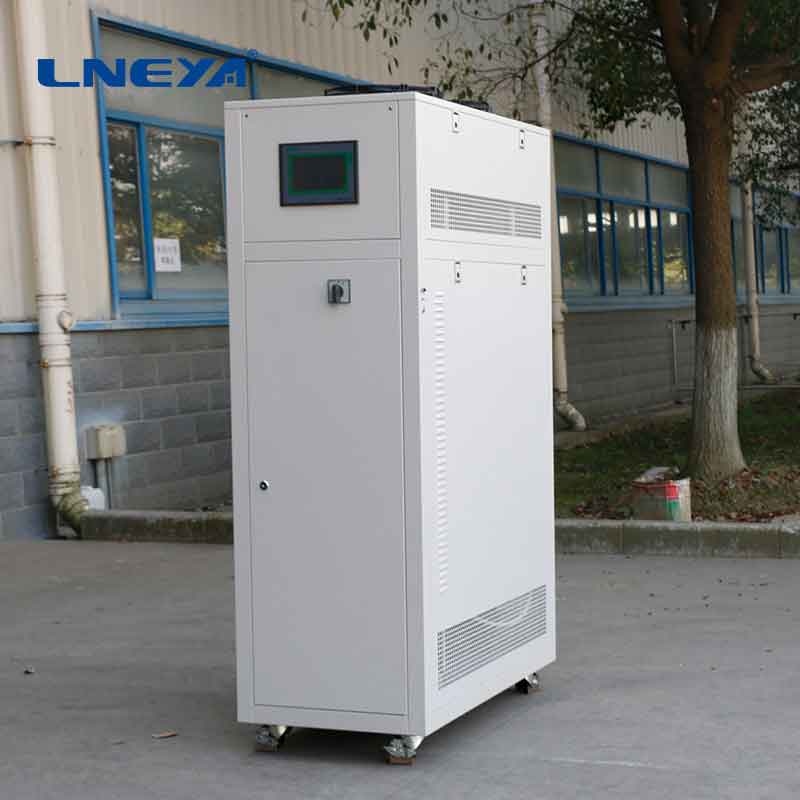
Industry standards, such as those provided by AHRI, ensure that hot water chiller systems meet specific performance criteria, including energy efficiency and environmental impact. High-efficiency chillers can have energy performance at least 10% above statutory requirements, indicating a strong market push towards more sustainable and efficient systems.
Conclusion
Hot water chiller systems offer a sustainable and efficient solution for cooling and heating applications. As technology advances, these systems are becoming more efficient and environmentally friendly, with a growing focus on heat recovery and energy conservation. The future of hot water chiller systems is likely to involve further improvements in efficiency, the integration of renewable energy sources, and the development of more advanced heat recovery technologies, positioning them as key players in the transition to low-carbon energy use in buildings.
This content is copyrighted by LNEYA. If there is any infringement, please contact email: Lilia@lneya.com
The prev: chiller industriThe next: industrial chiller singapore
Related recommendations

low consumption heater
544Understanding Low Consumption Heaters Definition of Low Consumption Heaters Low consumption heaters are heating devices designed to operate with minimal energy use while maintaining efficien...
View detailsoperation of chiller
273Introduction Chillers are indispensable in modern cooling systems, providing the necessary cold to maintain comfortable indoor environments in buildings, support industrial manufacturing proce...
View detailsthermal testing of electronics
196Introduction to Thermal Testing of ElectronicsIn the rapidly evolving world of electronics, thermal testing plays a pivotal role in ensuring the functionality, reliability, and longevity of elect...
View detailsHow to maintain and maintain the industrial chiller systems?
1139How to maintain and maintain the industrial chiller systems? 1. Cleaning and replacing filters: Filters in industrial cooling systems can become clogged over time, affecting the cooling...
View details




HelloPlease log in