 LNEYA Chiller

water cooled chiller function
Understanding Water-Cooled Chiller Function
A water-cooled chiller is a type of chiller that uses water as a cooling agent instead of air, providing a more efficient cooling solution for commercial and industrial buildings. Unlike air-cooled chillers, water-cooled chillers can transfer heat more effectively due to water’s higher heat capacity.
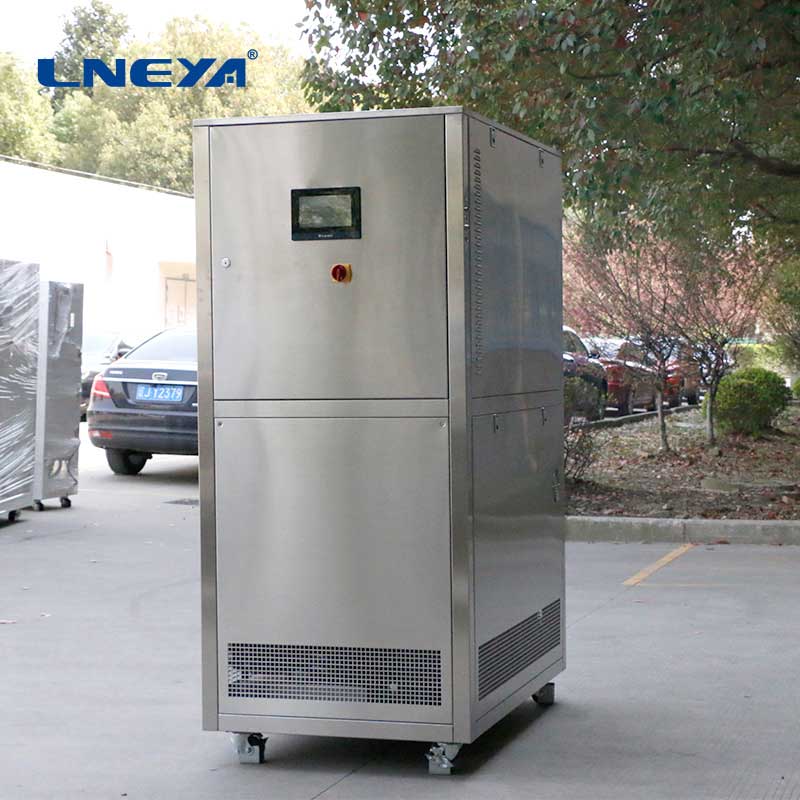
Components of a Water-Cooled Chiller
The four primary components of a water-cooled chiller are the evaporator, compressor, condenser, and expansion valve:
Evaporator: This heat exchanger cools the water or other fluid by transferring heat from the fluid to the refrigerant. The refrigerant absorbs the heat, evaporates, and turns into a gas.
Compressor: The compressor is the heart of the water-cooled chiller, compressing the refrigerant gas and increasing its temperature and pressure. The high-pressure gas then flows to the condenser.
Condenser: The condenser is a heat exchanger that removes heat from the refrigerant gas. It releases the heat to the surrounding environment, typically through a water-cooled tower or a cooling tower.
Expansion Valve: The expansion valve is a metering device that regulates the flow of refrigerant to the evaporator. It reduces the pressure and temperature of the refrigerant, allowing it to absorb heat from the fluid in the evaporator.
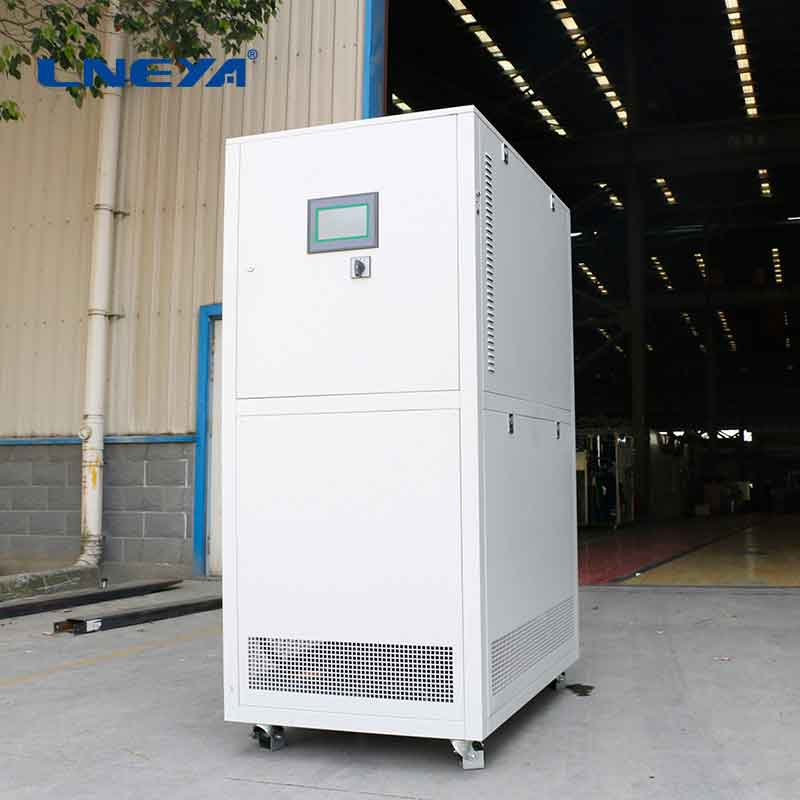
How Does a Water-Cooled Chiller Work?
The water-cooled chiller operates by circulating water or other fluids through the evaporator. The evaporator cools the fluid by transferring heat to the refrigerant. The refrigerant then flows to the compressor, where it is compressed and heated. The hot, high-pressure gas flows to the condenser, where it releases heat into the environment. The refrigerant then flows to the expansion valve, where it is expanded and cooled before returning to the evaporator to repeat the cycle.
Advantages of Water-Cooled Chillers
Water-cooled chillers offer several advantages over air-cooled chillers, including more efficient cooling due to the use of water as the cooling agent, lower energy consumption, quieter operation, and a longer lifespan.
Disadvantages of Water-Cooled Chillers
While water-cooled chillers offer several advantages, they also have some drawbacks. These include higher upfront costs compared to air-cooled chillers, more complex installation and maintenance, the requirement for a cooling tower or other water source which can increase water usage, and potential reduced effectiveness in hot and humid environments.
Applications of Water-Cooled Chillers
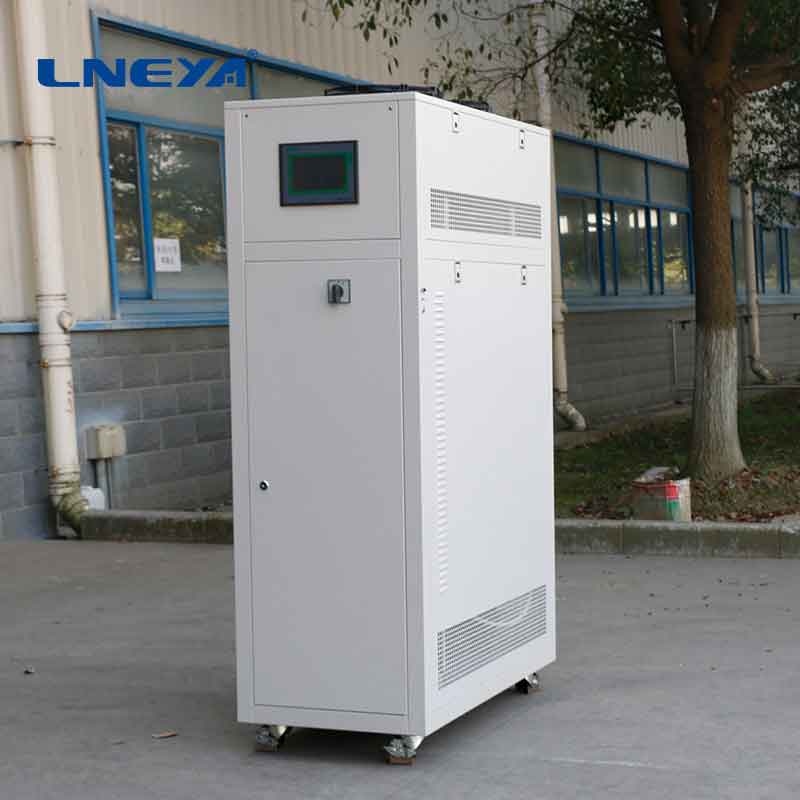
Water-cooled chillers are used in various applications where precise temperature control is essential. They are employed in the manufacturing industry to cool various processes and equipment, in HVAC systems for cooling purposes, and in power generation to cool turbines and generators.
Market Trends and Industry Insights
The global water-cooled chillers market size reached US$ 4.8 billion in 2023 and is projected to reach US$ 5.6 billion in 2032, exhibiting a growth rate (CAGR) of 3.2% during 2024-2032. Current trends in the water chillers market include the adoption of eco-friendly refrigerants, integration of smart controls and IoT technology, and customization to meet specific industry needs.
Conclusion
Water-cooled chillers are a critical component in various industries requiring precise temperature control. As the market continues to grow and evolve, driven by technological advancements and environmental considerations, water-cooled chillers are expected to play a significant role in meeting the cooling demands of various sectors while aligning with sustainability goals.
This content is copyrighted by LNEYA. If there is any infringement, please contact email: Lilia@lneya.com
The prev: oil & gas process chillerThe next: remote evaporator chiller
Related recommendations

chiller function
527Understanding Chiller Function: The Core of Industrial Cooling Systems Chillers are vital components in many industrial and commercial cooling systems, providing precise temperature control for...
View detailsair cooling and water cooling system
394Air Cooling and Water Cooling SystemIn the realm of heat management for various systems, air cooling and water cooling systems stand as two primary methods. This article will comprehensively intr...
View detailscirculating cooler
665Circulating Cooler: Maintaining Constant Temperature in Industrial Processes Circulating coolers, also known as cooling water circulators, are crucial for regulating temperatures in a variety o...
View detailsit cooling systems
543The Importance of IT Cooling SystemsInformation technology (IT) cooling systems are critical in the operation of data centers and server rooms. They maintain the optimal temperature and humidity l...
View details




HelloPlease log in