 LNEYA Chiller

chiller cooling water
The Role of Cooling Water in Chiller Systems
In a typical vapor-compression chiller, the refrigeration cycle involves two key water loops: the chilled water loop (which absorbs heat from the target space or process) and the cooling water loop (which expels that heat). The cooling water circulates through the condenser, where it absorbs heat from the high-temperature refrigerant vapor, causing the refrigerant to condense into a liquid. The now-warmed cooling water is then pumped to a heat rejection device (such as a cooling tower, dry cooler, or heat exchanger) to release the heat, after which it returns to the condenser to repeat the cycle. This continuous heat exchange ensures the chiller can maintain the desired temperature in the chilled water loop.
Components of a Chiller Cooling Water System
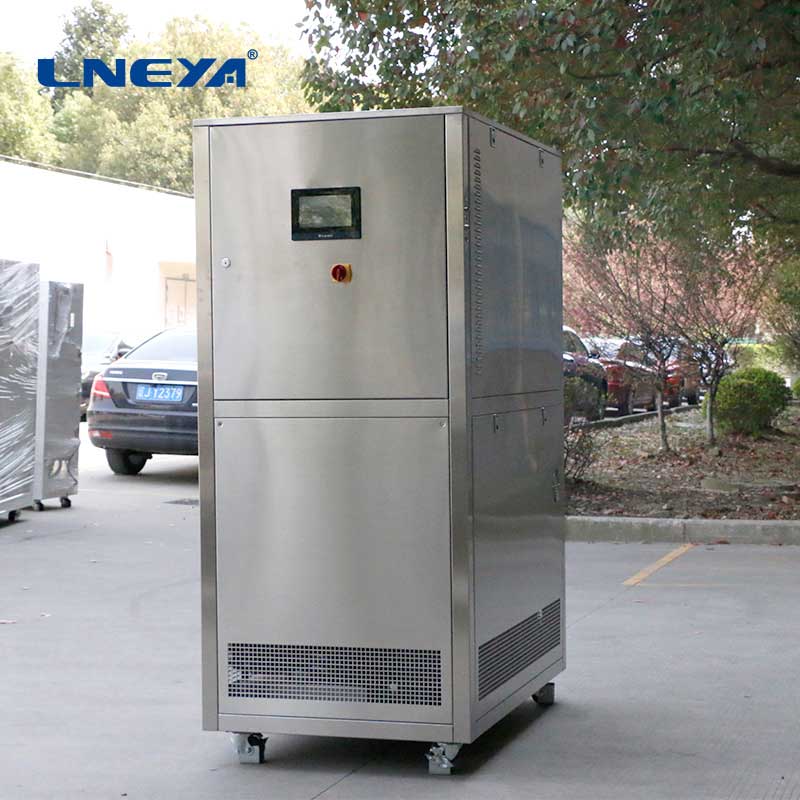
A chiller cooling water system comprises several interconnected components working together to facilitate heat transfer and circulation:
Condenser
The condenser is the primary interface where cooling water absorbs heat from the refrigerant. It can be a shell-and-tube, plate, or coil-type heat exchanger, depending on the chiller design. The efficiency of heat transfer here directly impacts the chiller’s overall performance.
Pumps
Centrifugal or positive-displacement pumps circulate cooling water through the system, ensuring a steady flow rate. Proper pump sizing is crucial—insufficient flow can lead to overheating, while excessive flow wastes energy.
Piping Network
Pipes transport cooling water between components, with sizes and materials (typically steel, copper, or PVC) chosen based on flow rate, pressure, and corrosion resistance. Well-designed piping minimizes friction losses and ensures uniform flow.
Heat Rejection Devices
Cooling Towers: Common in large systems, these use evaporation to release heat into the air. Warm cooling water is sprayed over fill material, and fans draw air through the tower, causing partial evaporation and cooling the remaining water.
Dry Coolers: These use ambient air to cool water through a finned coil, without evaporation, making them suitable for water-scarce areas or low-noise environments.
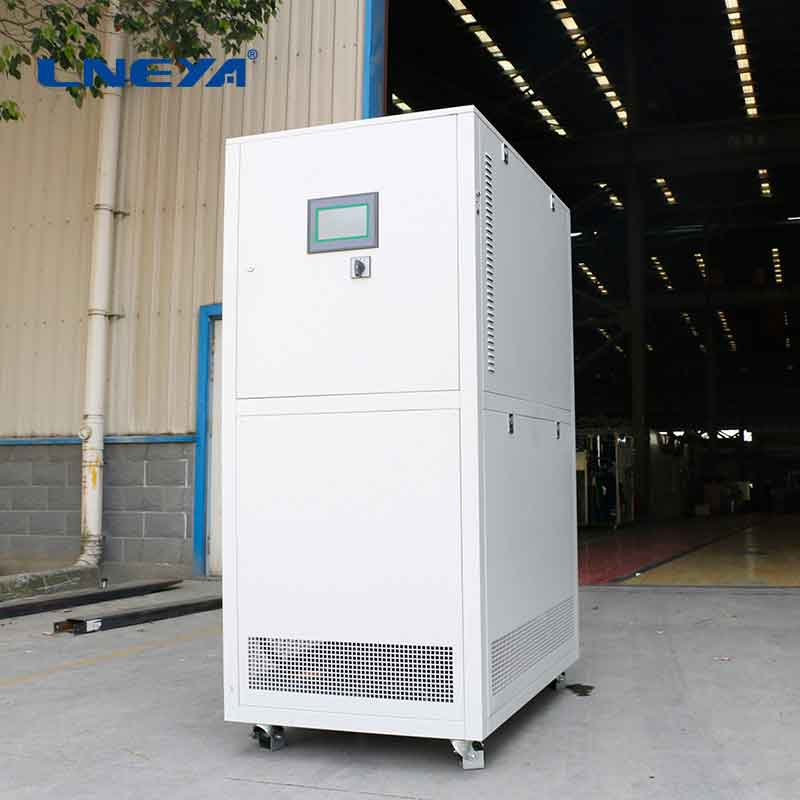
Heat Exchangers: Used when heat is transferred to another fluid (e.g., groundwater or a secondary water loop) instead of the atmosphere.
Control System
Sensors monitor cooling water temperature, flow rate, and pressure, adjusting pump speeds or fan operation to maintain optimal conditions. This prevents energy waste and protects the system from damage.
Water Quality Management
Maintaining proper cooling water quality is critical, as poor water quality leads to scaling, corrosion, and biological growth—all of which reduce efficiency and damage components:
Scaling: Minerals (calcium, magnesium) in water can precipitate and form scale on heat transfer surfaces, acting as an insulator. This reduces heat transfer efficiency, forcing the chiller to work harder. Anti-scaling chemicals (e.g., phosphates, polyacrylates) or water softening can prevent this.
Corrosion: Dissolved oxygen, pH imbalances, or contaminants (e.g., chloride) can corrode metal components (pipes, condenser tubes). Corrosion inhibitors (e.g., chromates, molybdate) and pH adjustment (typically keeping water slightly alkaline, pH 7.5–8.5) help mitigate this.
Biological Growth: Algae, bacteria, and fungi thrive in warm, stagnant water, forming slime that clogs pipes and reduces heat transfer. Biocides (e.g., chlorine, bromine) or non-chemical treatments (ultraviolet light) control microbial growth.
Regular water testing (for pH, conductivity, mineral content, and microbial count) is essential to adjust chemical treatments and maintain balance.
Maintenance Practices
Proactive maintenance of chiller cooling water systems ensures reliability and efficiency:
Regular Cleaning
Clean condenser tubes using brushes, high-pressure water jets, or chemical descaling to remove scale and deposits.
Clear debris from cooling tower basins and fill material to prevent clogs and improve airflow.
Flush piping periodically to remove sediment and sludge.
Monitoring and Adjustment
Track cooling water temperature differentials across the condenser (typically 8–12°F / 4–7°C) to detect reduced heat transfer.
Check flow rates to ensure they match design specifications; low flow may indicate pump issues or blockages.
Maintain chemical levels as recommended by water treatment experts, avoiding over-dosing which can cause environmental harm.
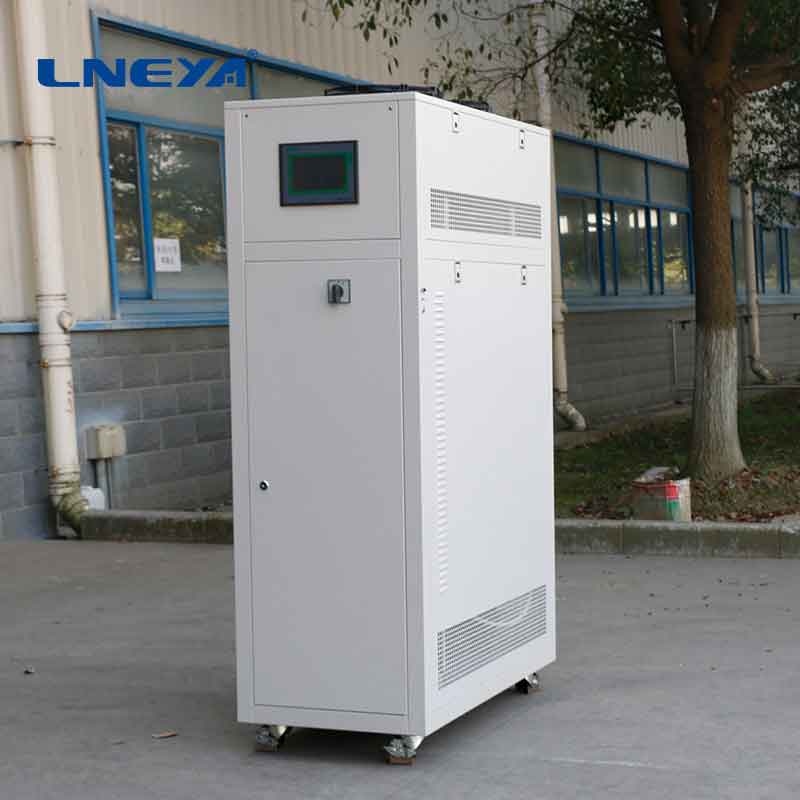
Component Inspections
Inspect pumps for leaks, bearing wear, and proper lubrication.
Check valves for proper operation to prevent flow restrictions.
Examine heat rejection devices: for cooling towers, inspect fans, motors, and fill for damage; for dry coolers, clean fins to remove dirt and debris.
System Optimization
Adjust pump speeds using variable frequency drives (VFDs) to match cooling demand, reducing energy use.
Insulate piping to minimize heat gain from the environment, which can increase cooling water temperature.
Common Issues and Solutions
Fouling: Reduced heat transfer due to scale, slime, or debris. Solution: Increase cleaning frequency, optimize chemical treatment, or install automatic filtration systems.
Low Flow Rate: Caused by pump failure, clogged filters, or closed valves. Solution: Inspect and repair pumps, clean filters, and ensure valves are fully open.
Temperature Fluctuations: Often due to inconsistent heat rejection (e.g., cooling tower fan malfunctions) or varying load. Solution: Repair control systems, adjust fan/pump operation, or upgrade to variable-speed equipment.
Leaks: Piping corrosion or loose connections. Solution: Repair or replace damaged sections, tighten connections, and improve corrosion control.
Environmental Considerations
Cooling water systems can impact the environment, particularly open-loop systems like cooling towers, which may release water vapor and chemicals. To minimize this:
Use low-toxicity or biodegradable water treatment chemicals.
Implement water recycling or blowdown recovery systems to reduce water consumption.
Comply with local regulations on water discharge, ensuring chemicals and microbial levels are within acceptable limits.
In summary, chiller cooling water is indispensable for chiller performance, requiring careful management of water quality, system components, and maintenance. By understanding its role and implementing proper practices, operators can ensure efficient, reliable, and long-lasting chiller operation.
This content is copyrighted by LNEYA. If there is any infringement, please contact email: Lilia@lneya.com
The prev: main chillerThe next: process chiller systems
Related recommendations

electric heaters for liquid
520Electric Heaters for Liquids: A Comprehensive Guide Electric heaters for liquids play a crucial role in a wide array of industries, from chemical processing to food and beverage production. The...
View details2 ton water chiller price
176IntroductionWhen considering the acquisition of a 2 - ton water chiller, understanding the pricing structure is crucial. A 2 - ton water chiller, with a cooling capacity of 24,000 British Thermal...
View detailsglycol water cooling system
477Glycol Water Cooling Systems: Design, Efficiency, and Maintenance Introduction Glycol water cooling systems are widely used in various industries for their ability to cool equipment effectiv...
View detailswater cooled chiller cycle
388Water Chiller AC Units: Cooling Solutions for Diverse Applications Water chiller AC units are essential in maintaining comfortable temperatures in commercial buildings, industrial processes, an...
View details




HelloPlease log in