 LNEYA Chiller

chiller cooling water
What is Chiller Cooling Water?
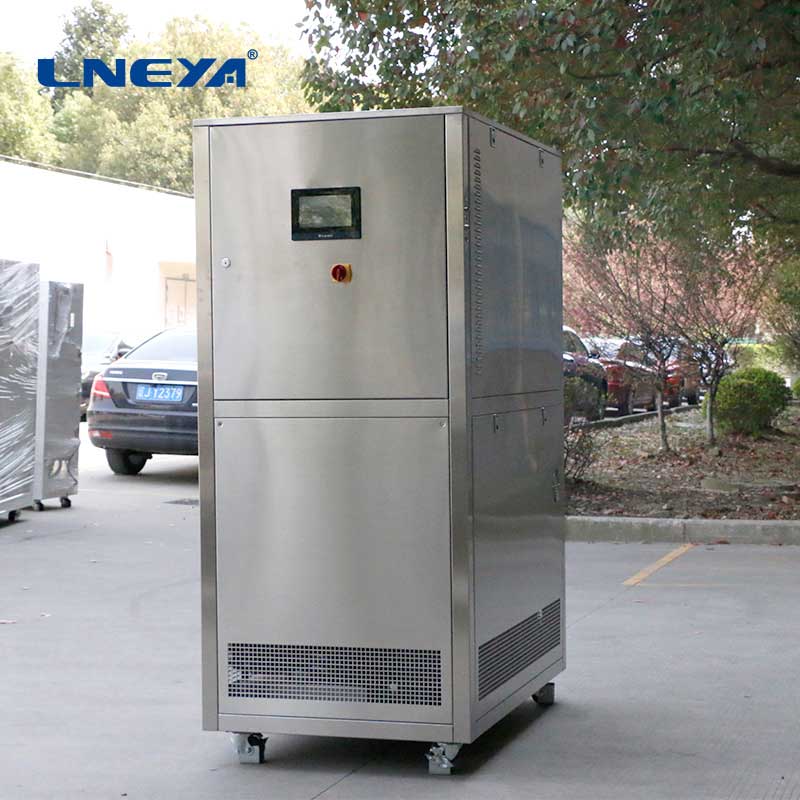
“Chiller cooling water” refers to the water or water-glycol mixture used in chiller systems to absorb and remove heat from processes or equipment. This cooling water is a critical component of the chiller system, as it facilitates the transfer of heat from the process or equipment to the chiller, where it is then dissipated. The cooling water is circulated through the chiller’s evaporator, where it is cooled by the refrigerant, and then through the system to provide temperature control.
Role of Chiller Cooling Water
Chiller cooling water plays a vital role in the operation of chiller systems, particularly in applications that require precise temperature control. Its primary functions include:
Heat Absorption: The cooling water absorbs heat from the process or equipment, which is then transferred to the chiller’s refrigerant in the evaporator.
Temperature Control: By circulating the cooled water through the system, the chiller maintains the desired temperature in the process or equipment.
Energy Efficiency: Proper management of cooling water ensures efficient heat transfer, reducing energy consumption and operational costs.
System Protection: Maintaining the correct temperature and quality of the cooling water helps prevent overheating and damage to equipment.
Components of a Chiller Cooling Water System
A chiller cooling water system typically includes the following components:
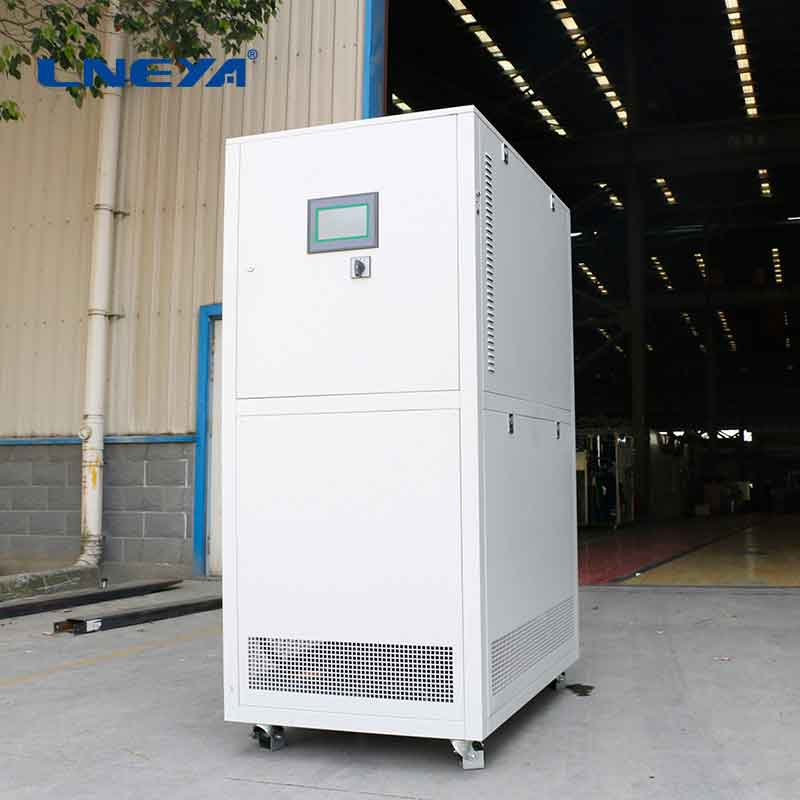
Chiller Unit: The chiller unit contains the evaporator, where the cooling water is cooled by the refrigerant.
Pumps: Pumps circulate the cooling water through the system, ensuring a continuous flow of water to absorb and remove heat.
Cooling Towers (for water-cooled chillers): In water-cooled chiller systems, cooling towers are used to dissipate the heat absorbed by the cooling water, allowing it to be recirculated.
Piping and Valves: Piping and valves direct the flow of cooling water through the system and allow for control and regulation of the water flow.
Heat Exchangers: In some systems, heat exchangers are used to transfer heat between the cooling water and the process or equipment.
Types of Chiller Cooling Water Systems
Chiller cooling water systems can be categorized based on the type of chiller and the method of heat dissipation:
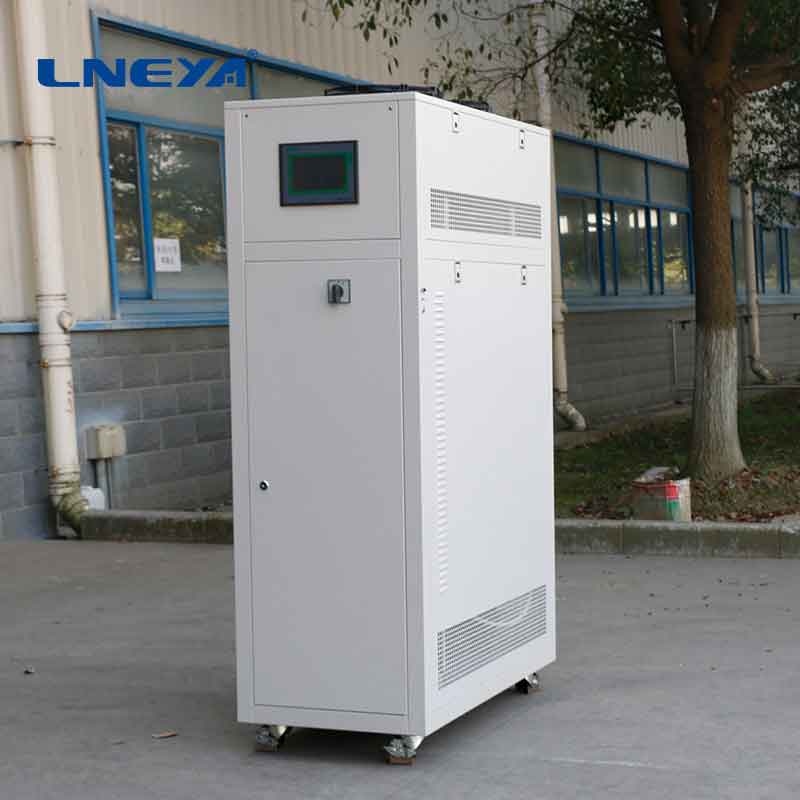
Air-Cooled Chillers: In air-cooled chiller systems, the cooling water is cooled by the refrigerant in the evaporator, and the heat is dissipated into the ambient air through the condenser.
Water-Cooled Chillers: In water-cooled chiller systems, the cooling water absorbs heat from the process or equipment and is then circulated to a cooling tower, where the heat is dissipated into the atmosphere.
Applications of Chiller Cooling Water
Chiller cooling water is used in a wide range of applications, including:
HVAC Systems: Chiller cooling water is used in HVAC systems to provide cooling for commercial and residential buildings, ensuring comfortable indoor temperatures.
Industrial Processes: In industrial settings, chiller cooling water is used to cool machinery, equipment, and processes, such as plastic injection molding, chemical manufacturing, and metal processing.
Data Centers: Chiller cooling water is critical for cooling servers and other equipment in data centers, where maintaining a stable temperature is essential to prevent overheating and ensure reliable operation.
Healthcare Facilities: Hospitals and medical facilities use chiller cooling water to cool medical equipment and maintain precise temperature control in laboratories and operating rooms.
Food and Beverage Industry: Chiller cooling water is used to cool equipment and processes in food processing, breweries, and dairies, ensuring product quality and safety.
Key Considerations for Managing Chiller Cooling Water
Proper management of chiller cooling water is essential for ensuring optimal chiller performance and system longevity. Key considerations include:
Temperature Control: Maintaining the correct temperature of the cooling water is crucial for efficient heat transfer and temperature control in the process or equipment.
Water Quality: Proper water quality management is essential to prevent scaling, corrosion, and biological growth, which can impact heat transfer efficiency and damage system components.
Energy Efficiency: Optimizing the flow rate and temperature of the cooling water can improve energy efficiency and reduce operational costs.
System Maintenance: Regular maintenance of the chiller cooling water system, including cleaning, inspection, and water treatment, is essential for ensuring reliable operation and preventing downtime.
Maintenance Tips for Chiller Cooling Water Systems
Proper maintenance of chiller cooling water systems is essential for ensuring efficient and reliable operation. Here are some maintenance tips:
Regular Cleaning: Keep the cooling water system clean and free of debris to ensure efficient heat transfer. Regularly clean the cooling towers, heat exchangers, and piping.
Water Treatment: Implement a water treatment program to prevent scaling, corrosion, and biological growth. This may include the use of chemicals, filtration, and regular water testing.
Monitor Water Temperature: Regularly monitor the temperature of the cooling water to ensure it is within the desired range. Adjust the chiller settings as needed to maintain optimal temperature control.
Inspect System Components: Regularly inspect the system components, including pumps, valves, and piping, for signs of wear or damage. Replace or repair any damaged components as needed.
Schedule Professional Maintenance: Schedule regular maintenance by qualified technicians to inspect and service the chiller cooling water system, ensuring optimal performance and reliability.
Conclusion
Chiller cooling water is a critical component of chiller systems, playing a vital role in heat absorption, temperature control, and system protection. Proper management of cooling water, including temperature control, water quality maintenance, and system efficiency, is essential for ensuring optimal chiller performance and system longevity. By implementing proper maintenance practices and monitoring the cooling water system, users can ensure efficient and reliable operation, reduce energy consumption, and prevent downtime.
This content is copyrighted by LNEYA. If there is any infringement, please contact email: Lilia@lneya.com
The prev: main chillerThe next: process chiller systems
Related recommendations

water bath cooling system
417Introduction to Water Bath Cooling SystemsWater bath cooling systems are vital in scientific laboratories and industrial processes where low temperatures are required for maintaining samples or co...
View detailswater bath evaporation
208Water Bath Evaporation: Principles, Factors, and ApplicationsEvaporation is a fundamental physical process that occurs when a liquid transforms into a gaseous state at its surface. A water bath, ...
View detailswater cooling system
622Water Cooling Systems: An In-Depth Analysis Definition of Water Cooling SystemsWater cooling systems, also known as liquid cooling systems, are methods used to lower the temperature of various ...
View detailsHow to handle the incoming air of the industrial chiller systems?
1067How to handle the incoming air of the industrial chiller systems? Firstly, let's understand the reason why the refrigeration system enters the air. Generally speaking, there are two mai...
View details




HelloPlease log in