 LNEYA Chiller

chiller unit manufacturers
Chiller Unit Manufacturers: A Complete Guide
Introduction
Chiller units are essential for maintaining optimal temperatures in various applications, from industrial processes to HVAC systems. Choosing the right chiller unit manufacturer is crucial to ensuring the efficiency, durability, and performance of these systems. This article explores the role of chiller unit manufacturers, the types of products they offer, key selection criteria, and the importance of partnering with a reputable supplier.
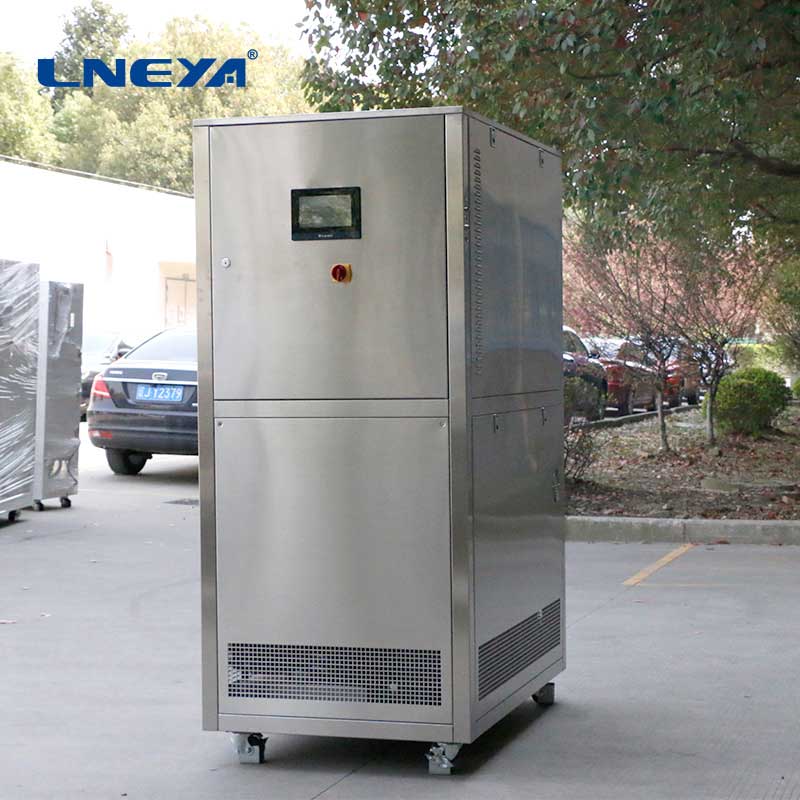
Types of Chiller Units
Chiller unit manufacturers provide a variety of cooling systems to meet diverse needs. Some of the most common types include:
Air-Cooled Chillers:
Applications: Suitable for small to medium-scale operations.
Features: Use air to dissipate heat, eliminating the need for a cooling tower.
Advantages: Lower installation costs and easier maintenance.
Water-Cooled Chillers:
Applications: Ideal for large-scale industrial processes requiring high cooling capacity.
Features: Use water to dissipate heat, offering higher efficiency.
Advantages: Better performance in high-temperature environments.
Absorption Chillers:
Applications: Used in industries with excess heat or steam.
Features: Use heat energy instead of mechanical compression.
Advantages: Energy-efficient and environmentally friendly.
Key Selection Criteria for Manufacturers
When choosing a chiller unit manufacturer, consider the following factors:
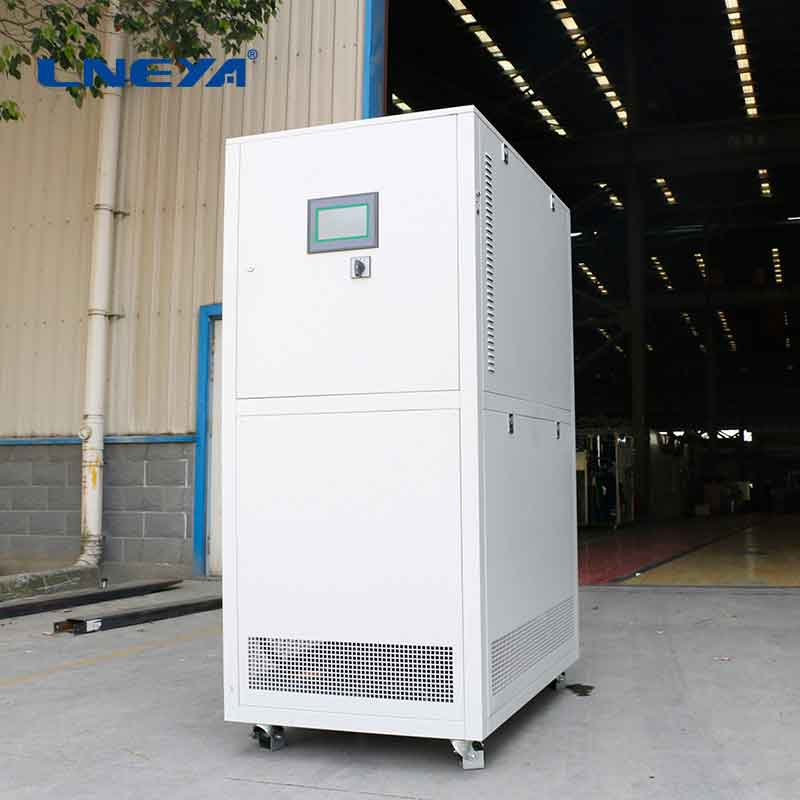
Product Quality:
Look for manufacturers that use high-quality materials and advanced manufacturing processes.
Ensure the products are durable, reliable, and designed for long-term use.
Energy Efficiency:
Opt for manufacturers that prioritize energy-efficient designs to reduce operational costs.
Check for certifications or compliance with energy efficiency standards.
Customization Options:
Choose manufacturers that offer customizable solutions to meet specific cooling requirements.
This includes tailored sizing, cooling capacity, and control systems.
After-Sales Support:
Select manufacturers that provide comprehensive after-sales services, including installation, maintenance, and technical support.
Availability of spare parts and repair services is also crucial.
Compliance with Standards:
Ensure the manufacturer complies with industry standards and regulations, such as ASME, ISO, or CE certifications.
This guarantees safety, reliability, and performance.
Importance of Choosing the Right Manufacturer
Optimal Performance:
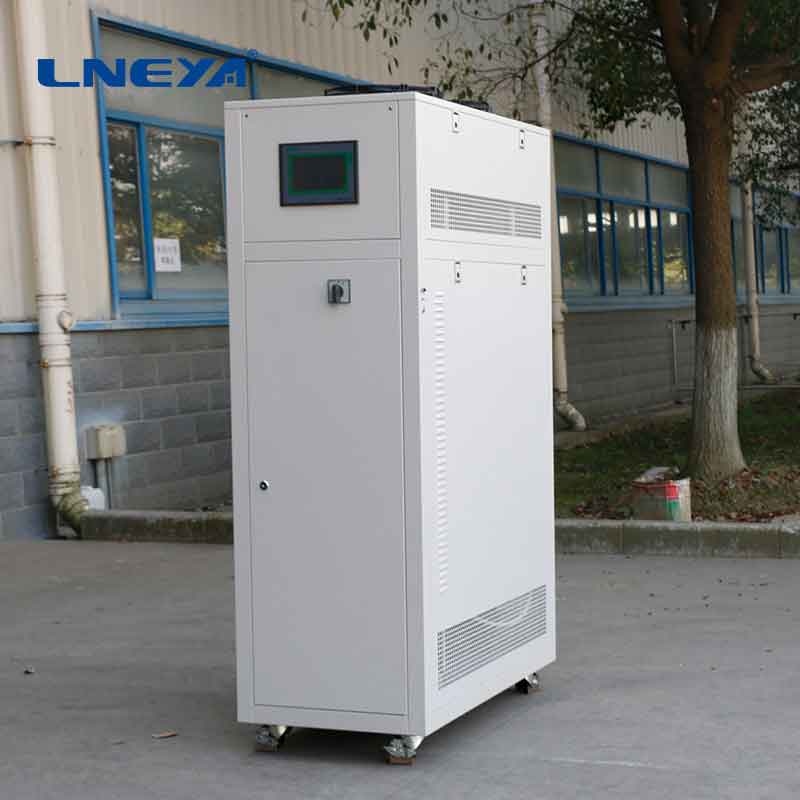
High-quality chillers from reputable manufacturers ensure consistent and reliable performance.
This minimizes downtime and maximizes productivity.
Cost-Effectiveness:
Energy-efficient systems reduce operational costs over time.
Durable products require fewer repairs and replacements, saving money in the long run.
Scalability:
Reputable manufacturers offer scalable solutions that can grow with your business.
This ensures your cooling system can adapt to increasing demands.
Sustainability:
Manufacturers focusing on energy-efficient and eco-friendly designs help reduce your carbon footprint.
This aligns with global sustainability goals and enhances your brand reputation.
Conclusion
Chiller unit manufacturers play a vital role in providing efficient and reliable cooling solutions for various applications. By understanding the types of products available, key selection criteria, and the importance of choosing the right manufacturer, businesses can make informed decisions that optimize performance, reduce costs, and support sustainability. Partnering with a reputable manufacturer ensures access to high-quality, customizable, and energy-efficient chiller units that meet the unique needs of industrial, commercial, and residential applications.
This content is copyrighted by LNEYA. If there is any infringement, please contact email: Lilia@lneya.com
The prev: application of chillerThe next: dual chiller
Related recommendations

What is the Role of Brine in Low Temperature Chillers?
1482What is the Role of Brine in Low Temperature Chillers? The brine solution has a lower condensation temperature, so it can be often used in medium-temperature and low-temperature chillers to ...
View detailssmall refrigeration system
646Small Refrigeration Systems: Definition, Types, Efficiency, Market Trends, and Technical Specifications Definition of Small Refrigeration Systems Small refrigeration systems are compact cool...
View detailschilled water circulation system
236IntroductionA chilled water circulation system is an integral component of central cooling systems, widely utilized in commercial buildings, industrial facilities, and large - scale residential c...
View detailschiller 24 kw
23124 kW Chillers: An In - Depth AnalysisIntroduction to 24 kW ChillersA 24 kW chiller is a cooling device designed to remove 24 kilowatts of heat from a space or a process. This capacity makes it ...
View details



HelloPlease log in