 LNEYA Chiller

small refrigeration system
Small Refrigeration Systems: Definition, Types, Efficiency, Market Trends, and Technical Specifications
Definition of Small Refrigeration Systems
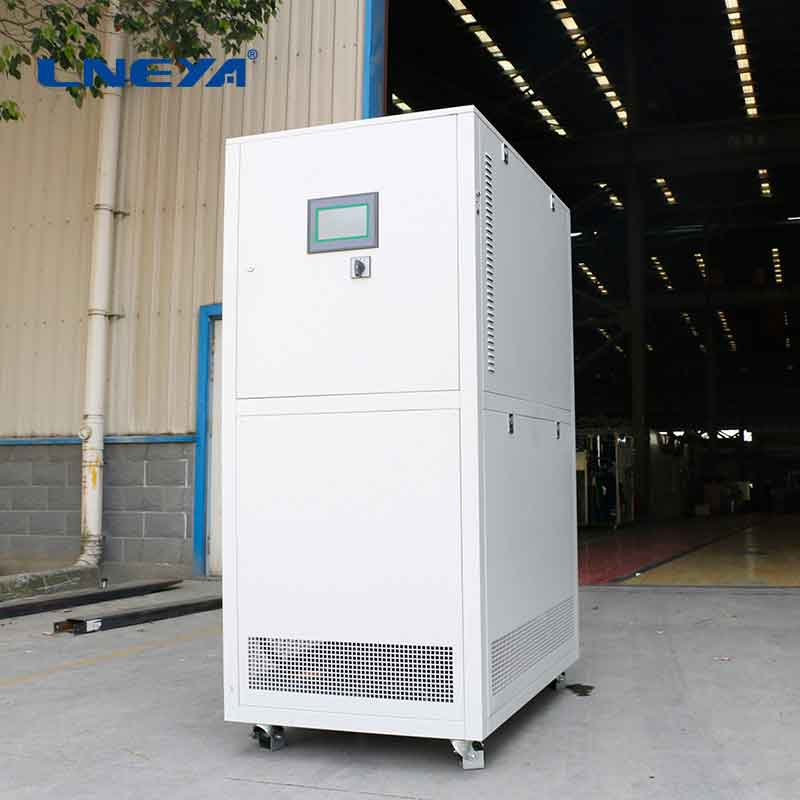
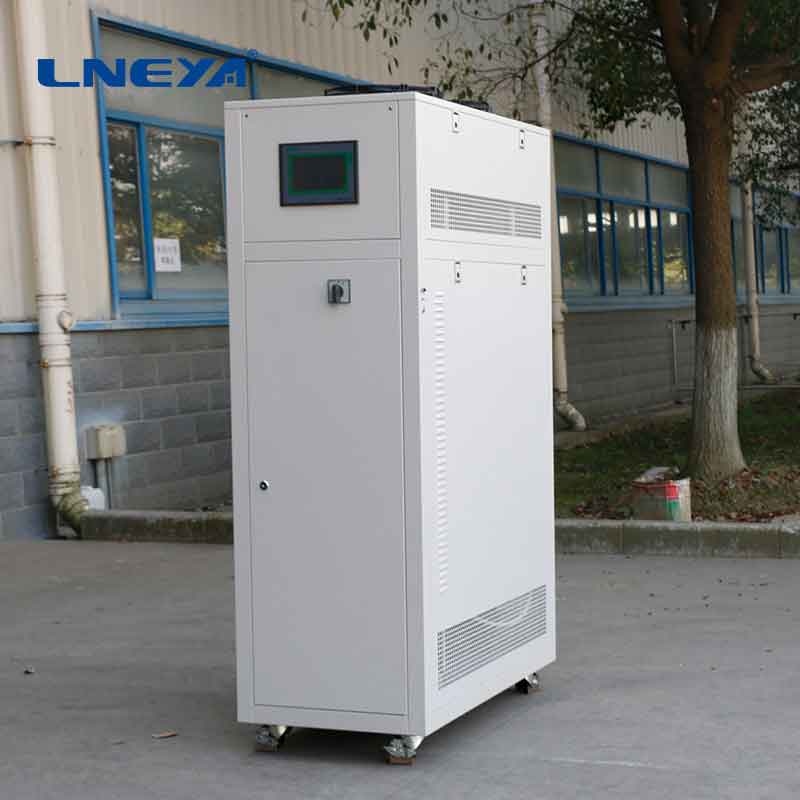
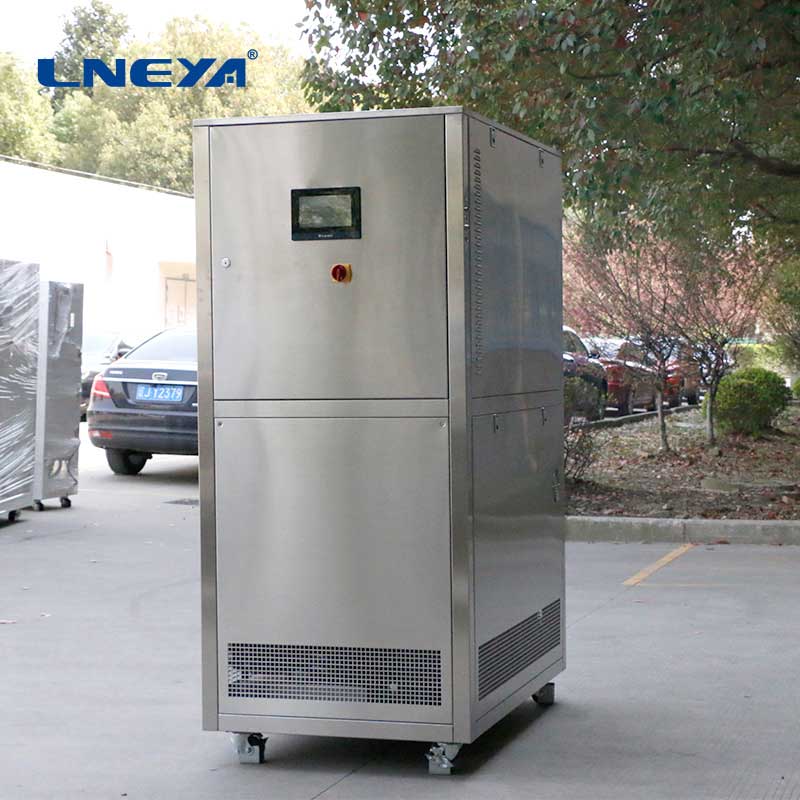
Small refrigeration systems are compact cooling units used to maintain desired temperatures in various settings. They are engineered to be space-efficient and energy-saving, making them suitable for applications where large-scale refrigeration is not required. These systems operate based on the principles of heat transfer, utilizing refrigerants to absorb and remove heat from the area that needs cooling.
Types of Small Refrigeration Systems
Small refrigeration systems can be classified into two main types based on the cooling medium:
Air-Cooled Systems: These systems use air as the cooling medium, dissipating heat through a process of forced convection. They are typically used in applications where water supply is limited or where easy maintenance is desired.
Water-Cooled Systems: These systems use water as the cooling medium, which is circulated through a heat exchanger to remove heat. They are often used in applications requiring precise temperature control and are more energy-efficient than air-cooled systems in warm climates.
Efficiency of Small Refrigeration Systems
The efficiency of a small refrigeration system is measured by its Coefficient of Performance (COP), which is the ratio of the cooling effect produced to the work input in the same units. A higher COP indicates a more efficient system. Modern small refrigeration systems are designed with energy efficiency in mind, utilizing advanced refrigerants and compressor technologies to minimize energy consumption.
Market Trends for Small Refrigeration Systems
The global market for small refrigeration systems is expected to grow at a compound annual growth rate (CAGR) of 4.4% from 2023 to 2030, driven by the increasing demand for processed and packaged foods, as well as the need to prevent spoilage. The market is also influenced by concerns over global warming, which has led manufacturers to focus on natural refrigerants over harmful coolants. The emergence of enhanced and improved cold chain systems is expected to impact the market in the forecast period.
Technical Specifications of Small Refrigeration Systems
When selecting a small refrigeration system, several technical specifications must be considered:
Capacity: The cooling capacity required depends on the specific application and the size of the space or the heat load of the equipment being cooled.
Refrigerant Type: The choice of refrigerant is crucial, with options including environmentally friendly refrigerants like R-410A and R-134a, which have lower Global Warming Potential (GWP).
Compressor Type: Small refrigeration systems can use various compressor types, such as reciprocating, rotary, scroll, or centrifugal, each with its own advantages and applications.
Evaporator and Condenser: The design and size of the evaporator and condenser play a significant role in the system’s efficiency and heat transfer capabilities.
Controls: Modern systems often include advanced control systems for precise temperature regulation and energy management.
In conclusion, small refrigeration systems offer a flexible and efficient solution for a variety of cooling needs. Their compact size, energy efficiency, and versatility make them suitable for a wide range of applications, from food preservation to industrial processes. As the market for these systems continues to grow, driven by technological advancements and environmental concerns, the selection of a small refrigeration system will become increasingly important in ensuring optimal performance and energy savings.
This content is copyrighted by LNEYA. If there is any infringement, please contact email: Lilia@lneya.com
The prev: closed loop water cooling systemThe next: multistack water cooled chiller
Related recommendations

water cooled chiller package
312Components of a Water Cooled Chiller PackageA typical water cooled chiller package includes several key components working together as a unified system:Water Cooled Chiller: The core cooling uni...
View details1 ton chiller
7921-Ton Chiller: Specifications, Applications, and Market Trends A 1-ton chiller is an essential piece of equipment in the HVAC industry, providing cooling capacities of approximately 12,000 BTUs...
View detailssmall portable water chiller units
375Introduction to Small Portable Water Chiller UnitsSmall portable water chiller units are specialized cooling devices designed to provide efficient cooling in a compact and movable form. Unlike la...
View detailsIndustrial Chiller Installation
1413Industrial Chiller Installation Please check whether the machine is damaged during installation and choose a suitable place for easy installation and future maintenance. The place where...
View details




HelloPlease log in