 LNEYA Chiller

helical rotary chiller
Helical Rotary Chillers: Efficient and Reliable Cooling Solutions
Helical rotary chillers are a type of vapor compression chiller that uses helical rotors in the compression process, providing a reliable and efficient cooling solution for a variety of applications. These chillers are known for their high efficiency, quiet operation, and the ability to maintain precise temperature control, making them ideal for both industrial and commercial use.
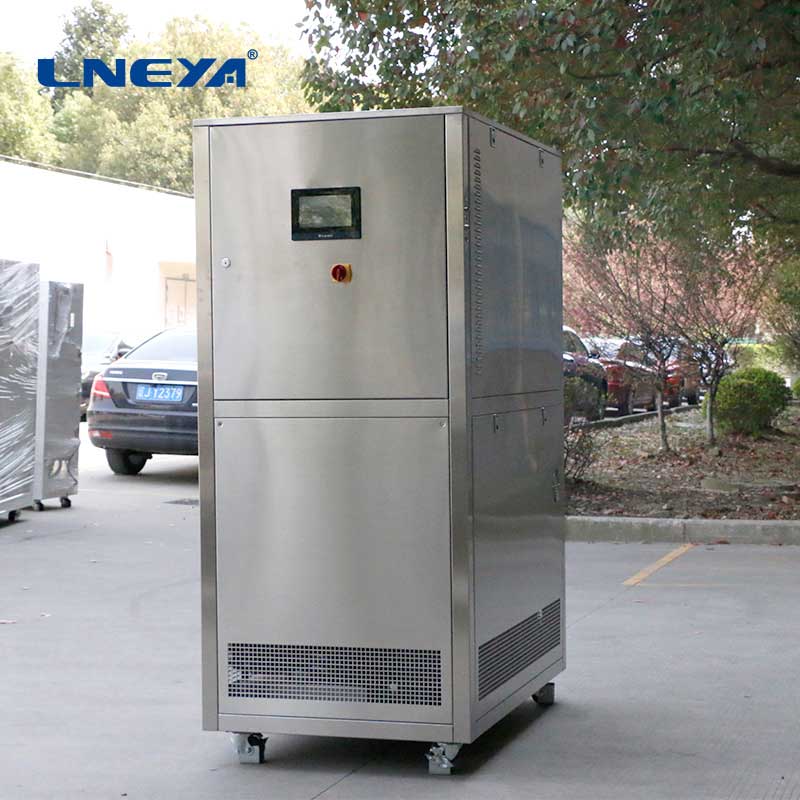
How Do Helical Rotary Chillers Work?
Helical rotary chillers operate on the principle of vapor compression refrigeration. The key component of these chillers is the helical rotary compressor, which consists of two helical slot rotors that mesh together to compress the refrigerant gas. The compression process raises the temperature and pressure of the refrigerant, which is then condensed, liquefied, and expanded to absorb heat from the cooling medium, thus providing the desired cooling effect.
Advantages of Helical Rotary Chillers
The advantages of helical rotary chillers include:
High Efficiency: Helical rotary compressors are designed to have a high coefficient of performance (COP), which means they can provide more cooling per unit of energy consumed compared to other types of compressors.
Low Noise Operation: The smooth and continuous compression process of helical rotary compressors results in quiet operation, making them suitable for noise-sensitive environments.
Precise Temperature Control: Helical rotary chillers can maintain tight control over the chilled water temperature, which is essential for applications that require precise temperature regulation.
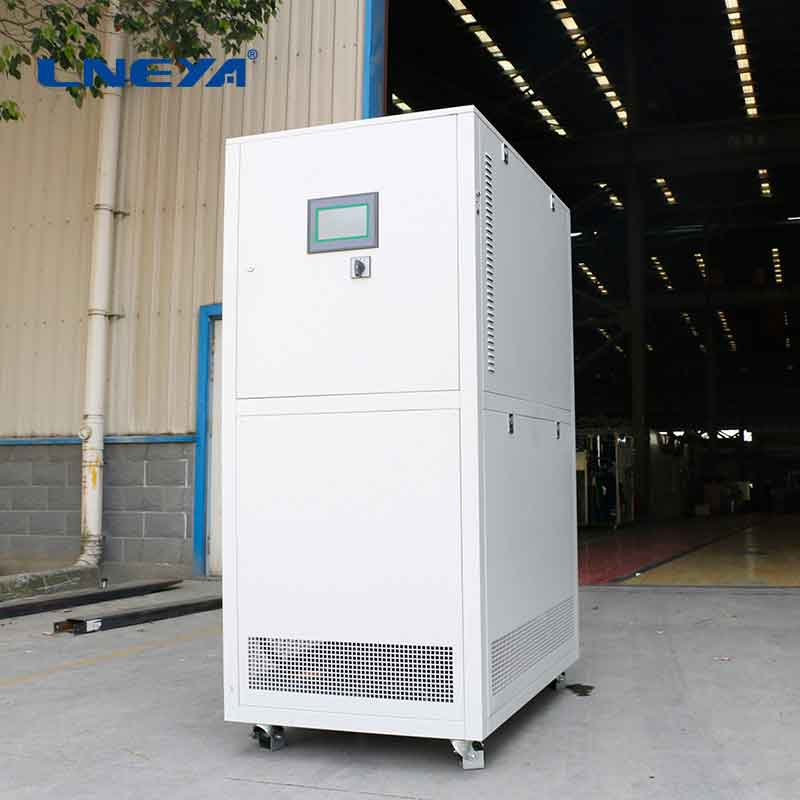
Reliability: The simple yet robust design of helical rotary compressors, with fewer moving parts, contributes to their reliability and longevity.
Versatility: These chillers can be used in a wide range of applications, from commercial buildings to industrial processes, and can be configured to operate in various climates and conditions.
Applications of Helical Rotary Chillers
Helical rotary chillers are used in various applications where efficient and reliable cooling is required, such as:
Commercial Buildings: They provide essential cooling for office buildings, hospitals, schools, and retail buildings.
Industrial Processes: In manufacturing and processing facilities, these chillers help control temperatures for various processes and equipment.
Data Centers: They maintain the optimal temperature for servers and IT equipment, ensuring their efficient operation.
Market Trends and Growth Factors
The global chillers market, including helical rotary chillers, is expected to grow at a compound annual growth rate (CAGR) of 4.5% from 2024 to 2030, reaching a value of USD 13,457.0 million by 2030. This growth is driven by the increasing need for cost-effective and energy-efficient cooling solutions in both commercial and industrial sectors. Factors such as rising population, increasing consumer disposable income, and ongoing urbanization are expected to contribute to the growth of the commercial and residential sectors, thereby augmenting the demand for chillers.
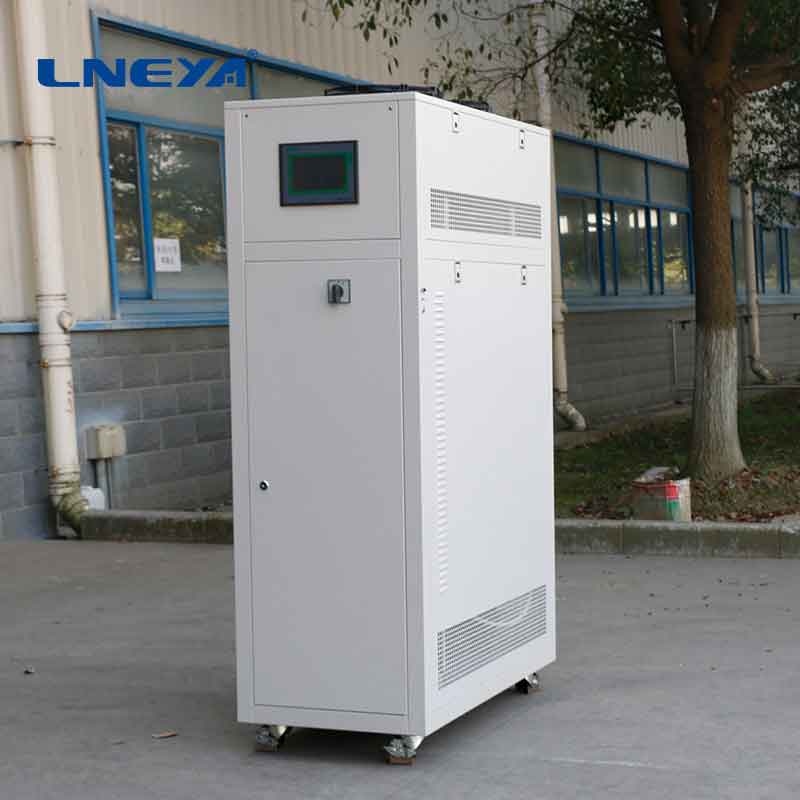
Innovations in Helical Rotary Chillers
Manufacturers are continuously innovating to enhance the performance and efficiency of helical rotary chillers. For instance, Trane’s Series R® Helical Rotary Liquid Chillers feature advanced heat transfer designs, dual independent refrigerant circuits, and variable evaporator flow compensation for improved control stability and energy savings. These chillers are also designed to operate with low global warming potential (GWP) refrigerants, such as R-134a or DuPont™ Opteon® (R-513A), which have a significantly lower GWP than traditional refrigerants.
In conclusion, helical rotary chillers offer a high-performance and reliable cooling solution for a variety of applications. Their efficiency, quiet operation, and versatility make them an attractive choice for businesses looking to optimize their cooling processes. As the market for chillers continues to grow, driven by the need for sustainable and energy-efficient solutions, helical rotary chillers are expected to play a significant role in meeting these demands.
This content is copyrighted by LNEYA. If there is any infringement, please contact email: Lilia@lneya.com
The prev: vapor compression chillersThe next: dc chiller
Related recommendations

cold water cooling system
766Cold Water Cooling Systems: Design and Efficiency Introduction Cold water cooling systems are vital in industries such as manufacturing, pharmaceuticals, and data centers, where they help re...
View detailsWhy do Chillers need to be Cleaned Regularly?
1658Why do Chillers need to be Cleaned Regularly? Why do chillers need to be cleaned regularly? Because the chiller has been used for a long time, there are often some dirt accumulations in the c...
View detailswater baths laboratory
630Water Baths Laboratory: Types, Applications, and Working Principles Introduction to Water Baths LaboratoryWater baths are essential laboratory equipment used to maintain samples at a controlled...
View detailschiller layout
209Chiller Layout: A Comprehensive GuideIn the realm of cooling systems, a well - designed chiller layout is crucial for the efficient, reliable, and safe operation of chillers. Whether for commerci...
View details




HelloPlease log in