 LNEYA Chiller

low temperature water cooled chiller
Low Temperature Water Cooled Chiller
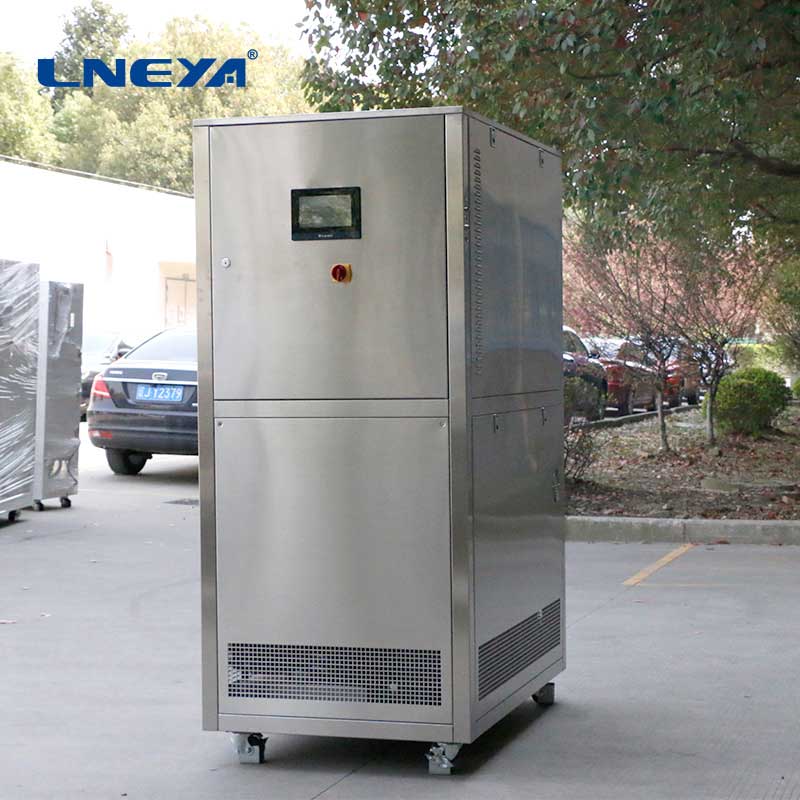
A low temperature water cooled chiller is a type of refrigeration equipment designed to provide low-temperature cooling water, playing a crucial role in various industrial and commercial applications.
Working Principle
The operation of a low temperature water cooled chiller is based on the refrigeration cycle.
Compression: The refrigerant is compressed in the compressor, increasing its temperature and pressure.
Condensation: The high-temperature and high-pressure refrigerant enters the condenser, where it exchanges heat with cooling water. The heat is carried away by the cooling water, causing the refrigerant to condense into a liquid.
Expansion: The liquid refrigerant passes through the expansion valve, and its pressure decreases, forming a low-temperature and low-pressure liquid-gas mixture.
Evaporation: The low-temperature and low-pressure refrigerant enters the evaporator, absorbs the heat of the cooling water, and evaporates into gas. The cooling water releases heat and its temperature drops. The refrigerant gas then returns to the compressor to complete the cycle.
Components
Compressor: It is the “heart” of the system, responsible for compressing the refrigerant and increasing its temperature and pressure. Common types include piston, scroll and screw compressors.
Condenser: It enables heat exchange between the refrigerant and cooling water to condense the refrigerant into a liquid. Shell and tube condensers or plate heat exchangers are often used.
Expansion Valve: Controls the flow of refrigerant and reduces its pressure to form a low-temperature and low-pressure liquid-gas mixture.
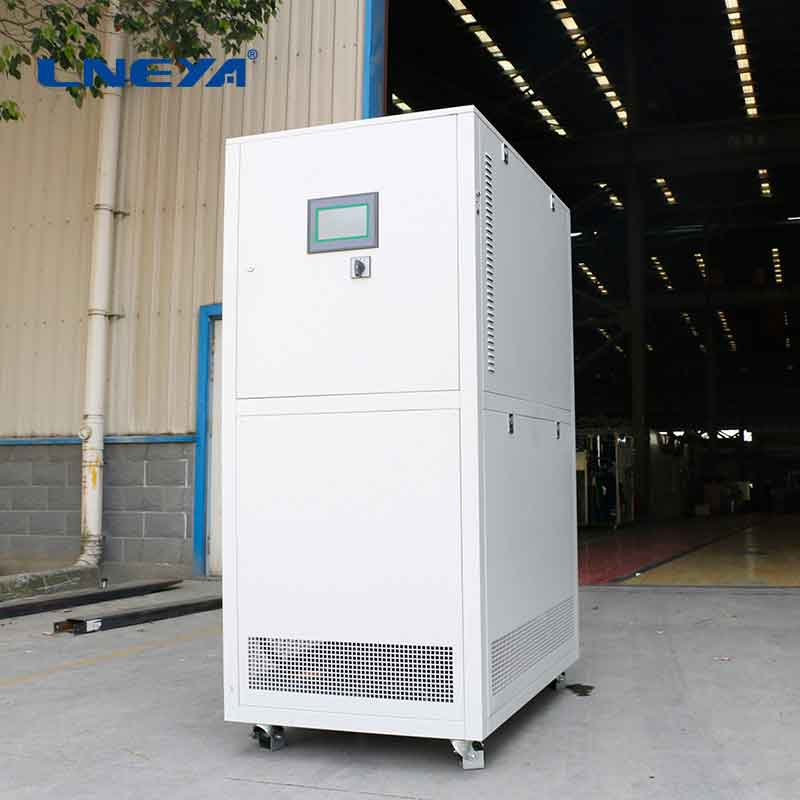
Evaporator: Allows the refrigerant to absorb the heat of the cooling water to produce cold water. It can be a dry evaporator or a flooded evaporator.
Control System: Comprises temperature sensors, pressure sensors, level gauges, etc., which monitor and adjust the operating status of the entire system.
Applications
Chemical Industry: It is used in low-temperature reactions, polymerization processes and distillation operations to control reaction temperatures and ensure product quality and process safety.
Pharmaceutical Industry: It helps in drug crystallization, freeze-drying and storage of biological products, maintaining the stability and activity of pharmaceutical ingredients.
Food Processing: It is applied in freezing, refrigeration and cold storage of food, extending the shelf life of food and maintaining its freshness and quality.
Electronics Manufacturing: It cools electronic components and equipment, such as in semiconductor manufacturing and PCB processing, to improve the reliability and performance of electronic products.
Advantages and Disadvantages
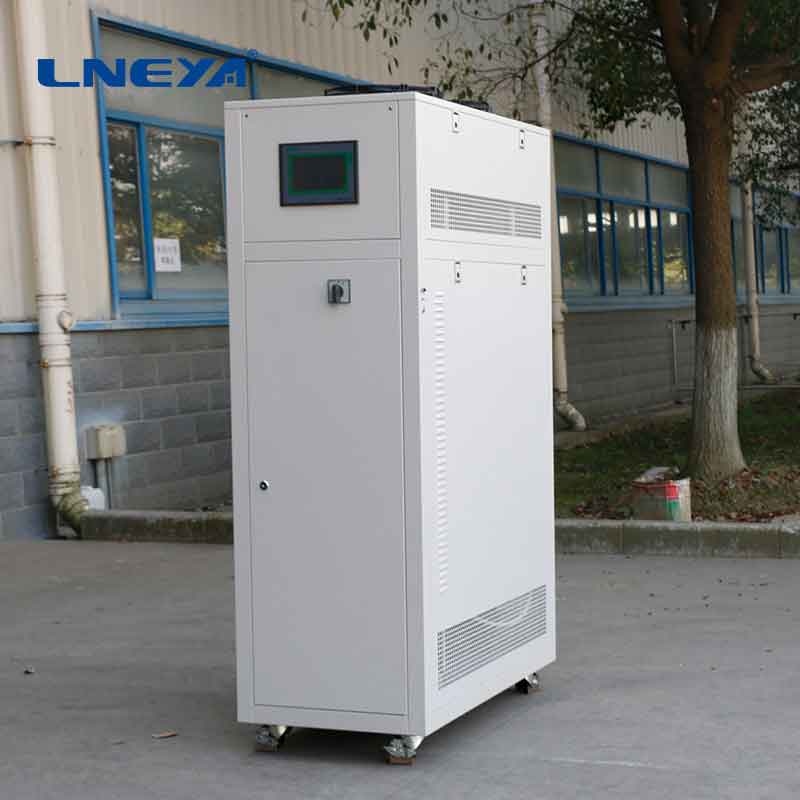
Advantages: It has a fast cooling speed and can quickly reach the required low temperature. It offers high cooling efficiency and precise temperature control, which is suitable for applications demanding strict temperature control. It also operates quietly and has a relatively long service life.
Disadvantages: The initial investment cost is high, including equipment purchase, installation and piping costs. The system structure is complex, requiring professional operation and maintenance, and has a relatively high failure rate. It also occupies a large space and needs an additional cooling tower and water circulation system.
Selection and Maintenance
Selection: Factors to consider include cooling capacity, temperature control range, cooling water flow rate, and power supply conditions. The specific requirements of the application and the characteristics of the process should also be taken into account.
Maintenance: Regularly check the refrigerant level, compressor oil level and cooling water quality. Clean the condenser and evaporator regularly to remove dirt and scale. Inspect the operation of electrical components and control systems to ensure the safe and stable operation of the chiller.
This content is copyrighted by LNEYA. If there is any infringement, please contact email: Lilia@lneya.com
The prev: water cooler cycleThe next: chiller manufacturing company
Related recommendations

portable heating system
631Introduction to Portable Heating SystemsPortable heating systems are designed to provide heat in a flexible and convenient manner. They are ideal for situations where permanent heating solutions a...
View detailsprocess heating equipment
342Introduction to Process Heating EquipmentProcess heating equipment encompasses a wide range of machinery and systems designed to raise the temperature of materials during industrial processes. Wh...
View detailschiller 4 kw
195A chiller is a vital piece of equipment used to remove heat from a liquid via a vapor-compression or absorption refrigeration cycle. When we refer to a "Chiller 4 kW," we are specifying a chiller ...
View detailswater cooler temperature control
527The Importance of Temperature Control in Water CoolersPerformance Optimization: In industrial applications, water coolers are often used to cool down machinery. Maintaining the right temperature e...
View details




HelloPlease log in