 LNEYA Chiller

process water heater
What is a Process Water Heater?
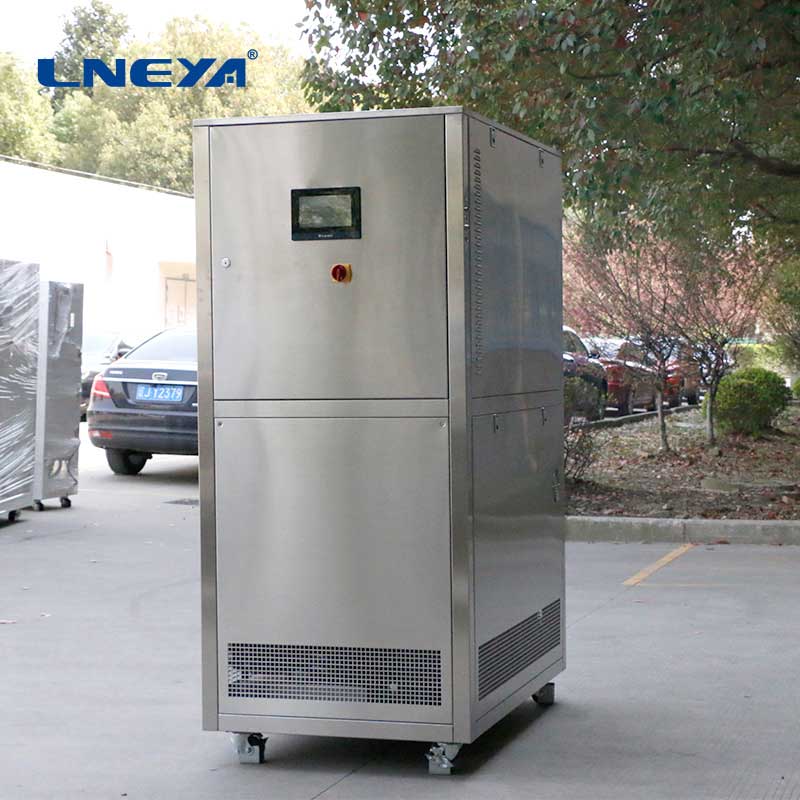
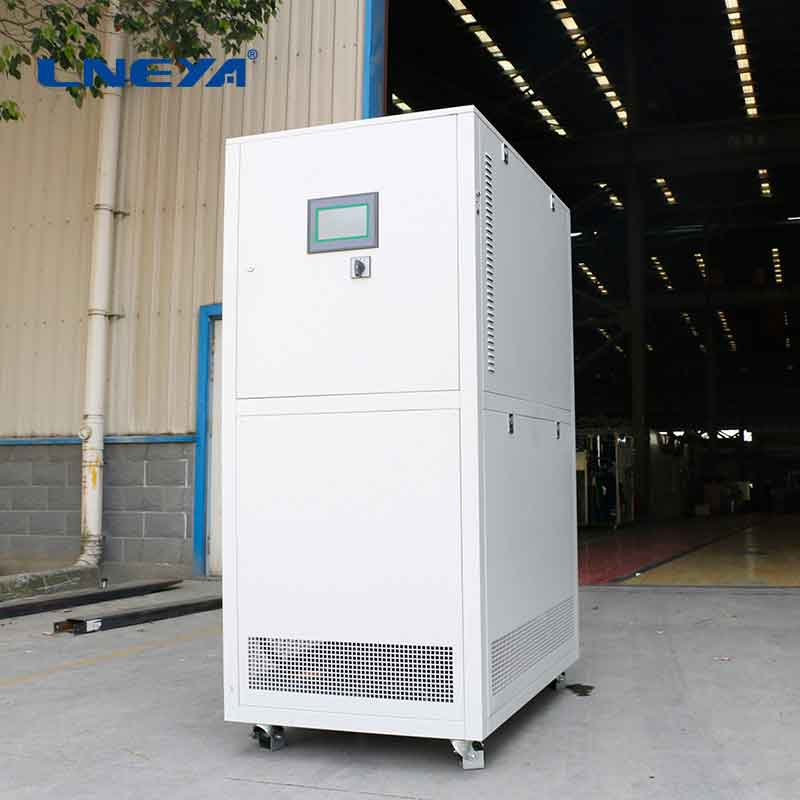
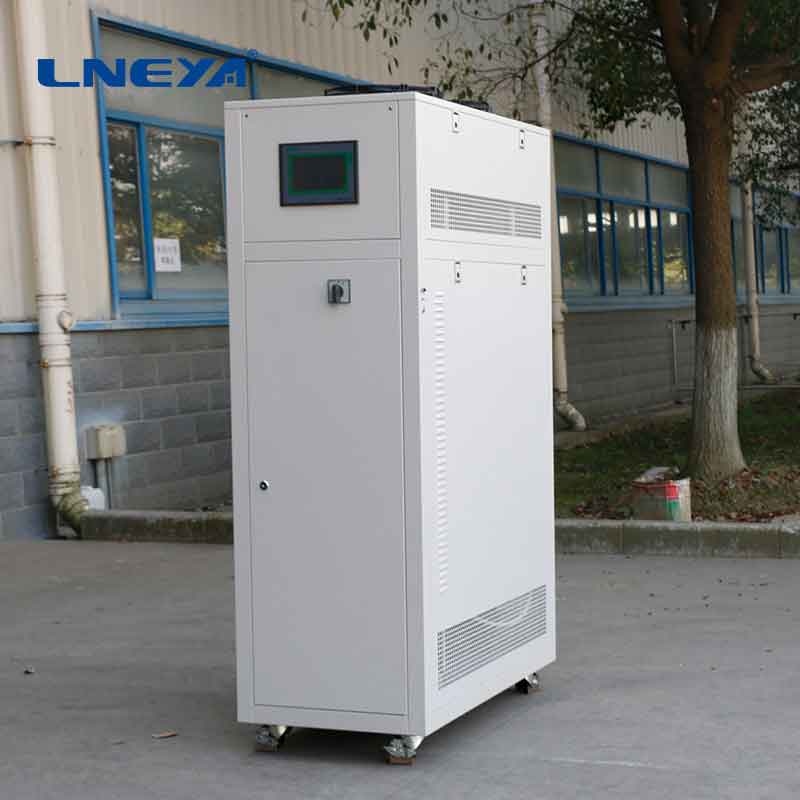
A process water heater is a heating system that raises the temperature of water or other liquids to meet the requirements of specific industrial or commercial processes. These heaters are designed to provide consistent and reliable heating, ensuring optimal performance in various applications.
How Does a Process Water Heater Work?
The operation of a process water heater involves the following steps:
Heat Generation: The heater generates heat using electricity, gas, or steam.
Heat Transfer: The heat is transferred to the water or liquid through a heat exchanger.
Temperature Control: The system maintains the desired temperature using thermostats and control panels.
Circulation: The heated liquid is circulated through the process, providing consistent heating.
Key Components of a Process Water Heater
Heat Exchanger: Transfers heat from the heat source to the water or liquid.
Burner or Heating Element: Generates heat using electricity, gas, or steam.
Thermostat: Regulates the temperature of the heated liquid.
Control Panel: Monitors and controls the heater’s operation, ensuring safety and efficiency.
Pump: Circulates the heated liquid through the process.
Types of Process Water Heaters
Electric Water Heaters: Use electric heating elements to generate heat. They are energy-efficient and suitable for small to medium-scale applications.
Gas Water Heaters: Use natural gas or propane to generate heat. They are cost-effective and suitable for large-scale operations.
Steam Water Heaters: Use steam to heat the water or liquid. They are commonly used in industrial settings with access to steam.
Solar Water Heaters: Use solar energy to heat the water or liquid. They are environmentally friendly and suitable for applications with ample sunlight.
Applications of Process Water Heaters
Process water heaters are used in a wide range of industries, including:
Manufacturing: Heating water for cleaning, sterilization, and production processes.
Food and Beverage: Maintaining precise temperatures for cooking, pasteurization, and storage.
Chemical Production: Heating liquids for chemical reactions and processing.
HVAC Systems: Providing heated water for space heating and hot water supply.
Pharmaceuticals: Ensuring controlled temperatures for drug manufacturing and storage.
Benefits of Using a Process Water Heater
Energy Efficiency: Modern heaters are designed to minimize energy consumption, reducing operational costs.
Precise Temperature Control: Offers accurate heating, ensuring optimal conditions for sensitive processes.
Durability: Built with robust materials, these systems have a long lifespan with proper maintenance.
Versatility: Suitable for a wide range of applications and industries.
Environmentally Friendly: Many heaters use eco-friendly energy sources, reducing their environmental impact.
Choosing the Right Process Water Heater
When selecting a process water heater, consider the following factors:
Heating Capacity: Ensure the heater’s capacity matches your heating requirements.
Energy Efficiency: Look for models with high energy efficiency ratings.
Space Constraints: Choose a heater that fits your available space.
Maintenance Requirements: Opt for systems with easy maintenance access.
Budget: Balance initial costs with long-term savings and performance.
Maintenance Tips for Process Water Heaters
Regular maintenance is essential to ensure the longevity and efficiency of your heater. Key maintenance practices include:
Cleaning the heat exchanger to prevent scale buildup.
Inspecting and replacing heating elements or burners as needed.
Checking thermostat settings and recalibrating if necessary.
Monitoring system performance and addressing issues promptly.
Scheduling professional inspections and servicing annually.
Conclusion
Process water heaters are indispensable in many industries, providing reliable and efficient heating solutions for a wide range of applications. By understanding their working principles, types, and benefits, you can select the right heater for your needs and ensure its optimal performance through proper maintenance. Whether for manufacturing, food processing, or HVAC systems, process water heaters deliver consistent and dependable heating performance.
This content is copyrighted by LNEYA. If there is any infringement, please contact email: Lilia@lneya.com
The prev: ton chillerThe next: modular chiller system
Related recommendations

electric heater
281Introduction to Electric HeatersElectric heaters have become an essential part of modern life, offering a convenient and efficient way to heat indoor environments. Whether it’s a small office, a ...
View detailscooling system with water
521Cooling Systems with Water: A Comprehensive Guide IntroductionCooling systems that utilize water are essential for managing heat in various industrial, commercial, and residential applications....
View detailstesting of sensors
328IntroductionSensors are integral components in modern technology, enabling the measurement and detection of various physical, chemical, and biological quantities. From monitoring environmental co...
View detailsindustrial water cooler manufacturers
205Industrial Water Cooler Manufacturers: A Comprehensive InsightIn the intricate web of industrial operations, maintaining optimal temperatures is crucial for the efficient and reliable functioning...
View details




HelloPlease log in