 LNEYA Chiller

refrigeration unit ton
Understanding Refrigeration Unit Ton
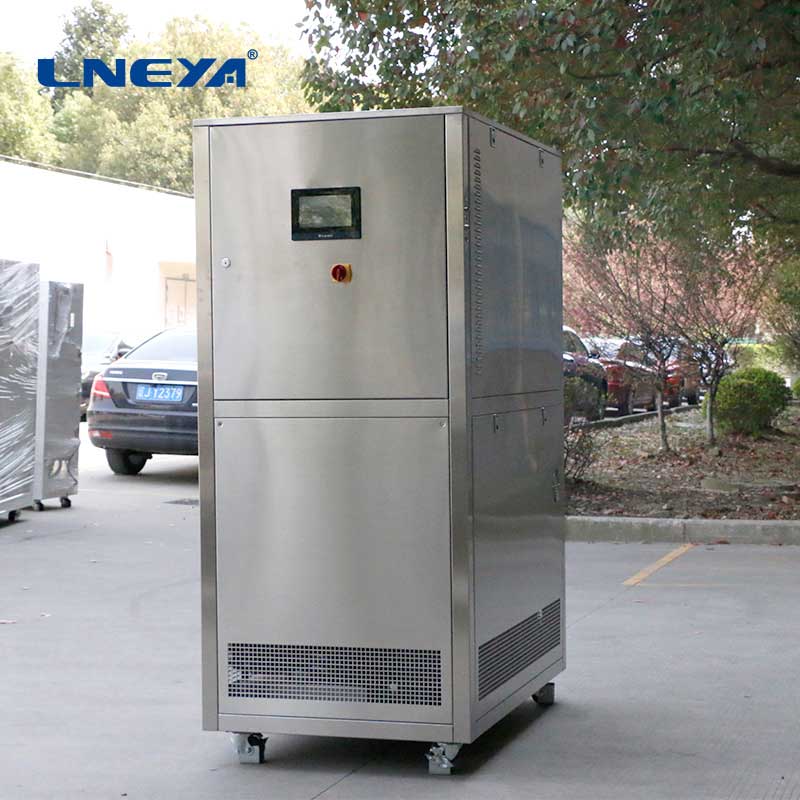
The term “refrigeration unit ton” or “ton of refrigeration” (RT) is a traditional unit of measurement for the cooling capacity of a refrigeration system, predominantly used in North America. It is essential to understand this concept, as it plays a critical role in the design and operation of refrigeration systems across various industries.
Definition and Origin of Refrigeration Unit Ton
The term “refrigeration ton” originated in the late 1800s when ice was used for cooling purposes. A block of ice, weighing one ton, would be placed in the air stream to melt and cool the air. The equivalent cooling effect provided by modern vapor compression refrigeration machines is what we now refer to as one ton of refrigeration. Specifically, one ton of refrigeration is the amount of heat that needs to be removed from one short ton (2000 pounds or 907.18 kilograms) of water at 32°F (0°C) to turn it into ice within 24 hours, considering only the latent heat of fusion for ice, which is 144 BTU per pound or 334 kJ per kilogram.
Calculation of Refrigeration Unit Ton
To calculate the refrigeration capacity in tons, we use the following formula based on the latent heat of fusion for ice:
Metric Calculation: 907.18 kg x 334 kJ/kg = 303,000 kJ, which when divided by 24 hours, gives 12,625 kJ per hour. To convert this to kilowatts, divide by 3,600 seconds per hour, resulting in 3.51 kW.
Imperial Calculation: 2,000 lb x 144 BTU/lb = 288,000 BTU, which when divided by 24 hours, gives 12,000 BTU per hour.
Conversion to Other Units
Understanding how to convert refrigeration tons to other common units like BTUs and kilowatts is crucial for international compatibility and system design. The conversion factors mentioned above help in this regard.
Applications of Refrigeration Unit Ton
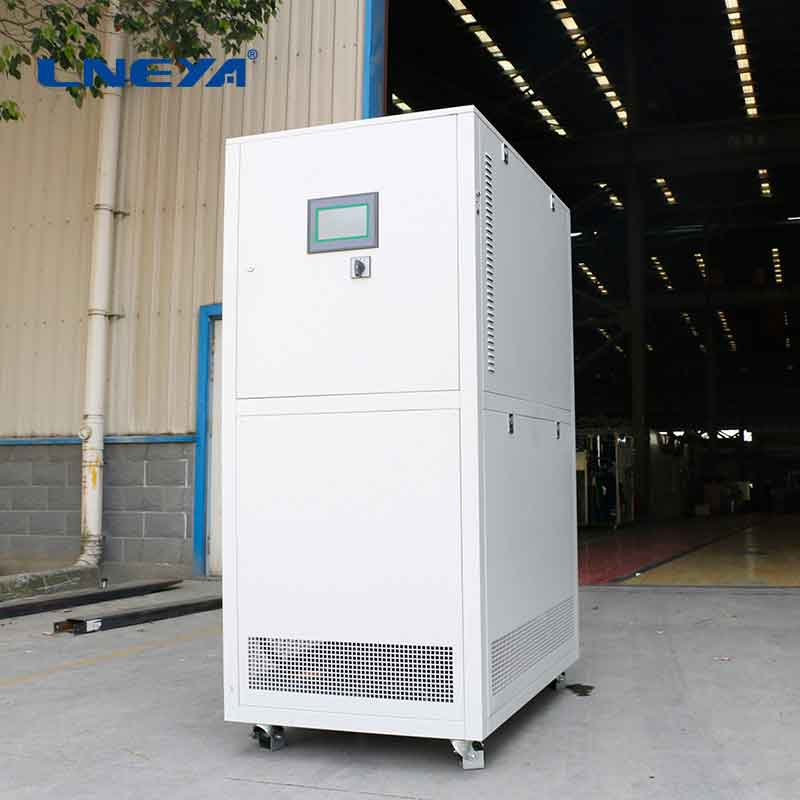
Refrigeration units measured in tons are used in a variety of applications, including industrial processes, food and beverage storage, medical facilities, and commercial buildings. They are particularly important in large-scale refrigeration plants such as chillers, where the cooling capacity needs to be accurately matched to the load.
Market and Technical Specifications
The market for refrigeration units is global, with different regions having specific preferences for measurement units. Technical specifications for these units can vary widely, depending on the refrigerant used, the design of the compressor, and the intended application. For instance, some compressors are designed for high back pressure and specific refrigerants like R134a, with detailed specifications provided in technical data sheets.
Maintenance of Refrigeration Units
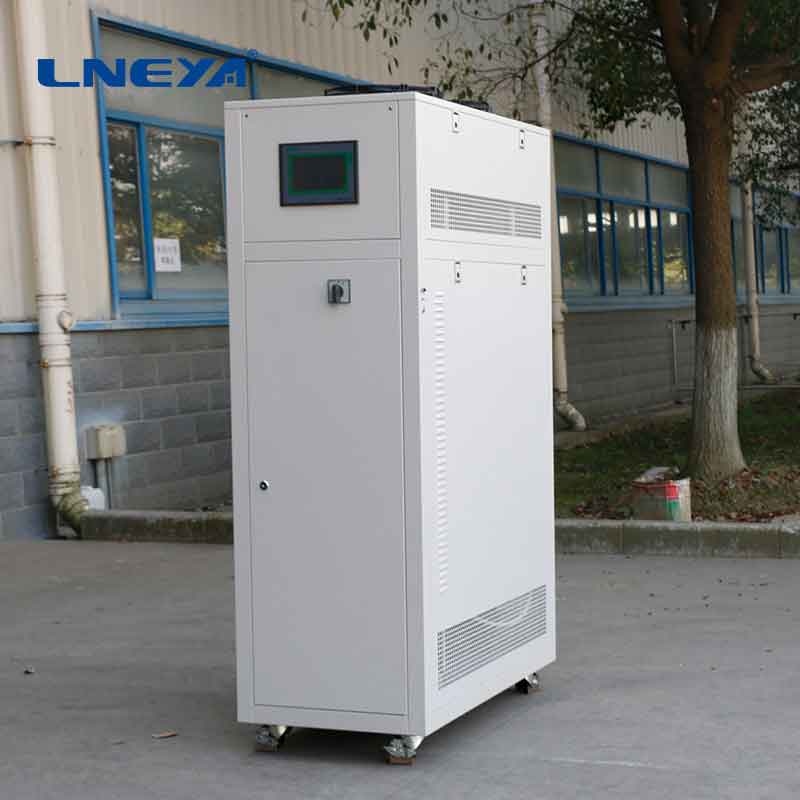
Proper maintenance is vital for the efficiency and longevity of refrigeration units. A maintenance checklist includes ensuring adequate air circulation, inspecting components like compressors, condenser coils, evaporator coils, expansion valves, and checking for refrigerant and oil leaks. Regular maintenance helps prevent issues, enhances energy efficiency, and maintains the safety and quality of stored goods.
Conclusion
The refrigeration unit ton is a critical unit of measurement for the cooling capacity of refrigeration systems, particularly in North America. It is essential for sizing equipment, understanding system performance, and maintaining efficiency. By grasping the definition, calculation, conversion, and maintenance aspects of refrigeration tons, professionals can ensure optimal operation and performance of refrigeration systems in various applications.
This content is copyrighted by LNEYA. If there is any infringement, please contact email: Lilia@lneya.com
The prev: portable water chiller systemThe next: water chiller refrigeration system
Related recommendations

200 ton air cooled chiller
496200 Ton Air-Cooled Chiller Efficiency: A Comprehensive Analysis Introduction Air-cooled chillers are widely used for their ability to provide efficient cooling in various applications, inclu...
View detailswater cooled chiller operation
357Fundamental Working PrinciplesThe operation of a water-cooled chiller is based on the vapor-compression refrigeration cycle, which involves four main components: the evaporator, compressor, conde...
View detailscold water cooling system
766Cold Water Cooling Systems: Design and Efficiency Introduction Cold water cooling systems are vital in industries such as manufacturing, pharmaceuticals, and data centers, where they help re...
View detailstest system solutions
310Introduction to Test System SolutionsTest system solutions are comprehensive frameworks that encompass a combination of hardware, software, and processes, all designed to perform specific tests a...
View details




HelloPlease log in