 LNEYA Chiller

water cooled cooling system
Water-Cooled Cooling Systems: Efficient Heat Management for Industrial and Commercial Applications
Water-cooled cooling systems are essential in maintaining optimal temperatures in a variety of settings, from industrial processes to commercial buildings. These systems use water as a medium to absorb and dissipate heat, ensuring consistent and efficient cooling performance.
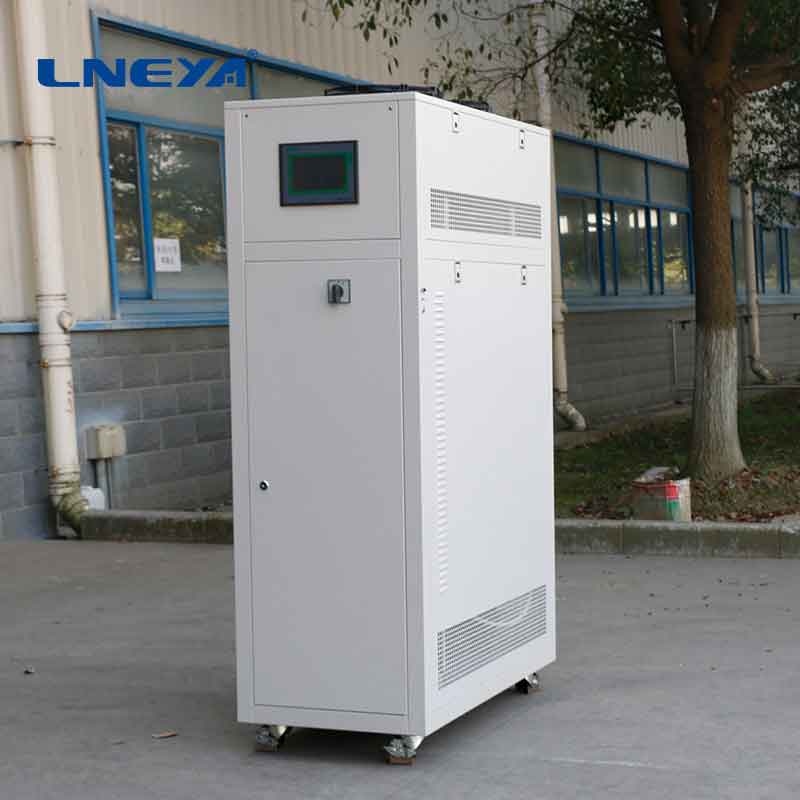
Key Components of Water-Cooled Cooling Systems
Chillers: The core component that cools the water before it is circulated.
Heat Exchangers: Facilitate the transfer of heat from the process to the water.
Pumps: Circulate the water through the system, ensuring even distribution.
Cooling Towers: Used in conjunction with water-cooled systems to dissipate heat.
Advantages of Water-Cooled Cooling Systems
Energy Efficiency: Water-cooled systems can be more energy-efficient than air-cooled systems, especially in warmer climates.
High Heat Load Capacity: Ideal for applications that generate significant heat.
Consistent Temperature Control: Provides stable cooling across the system.
Applications of Water-Cooled Cooling Systems
These systems are used in a wide range of applications, such as:
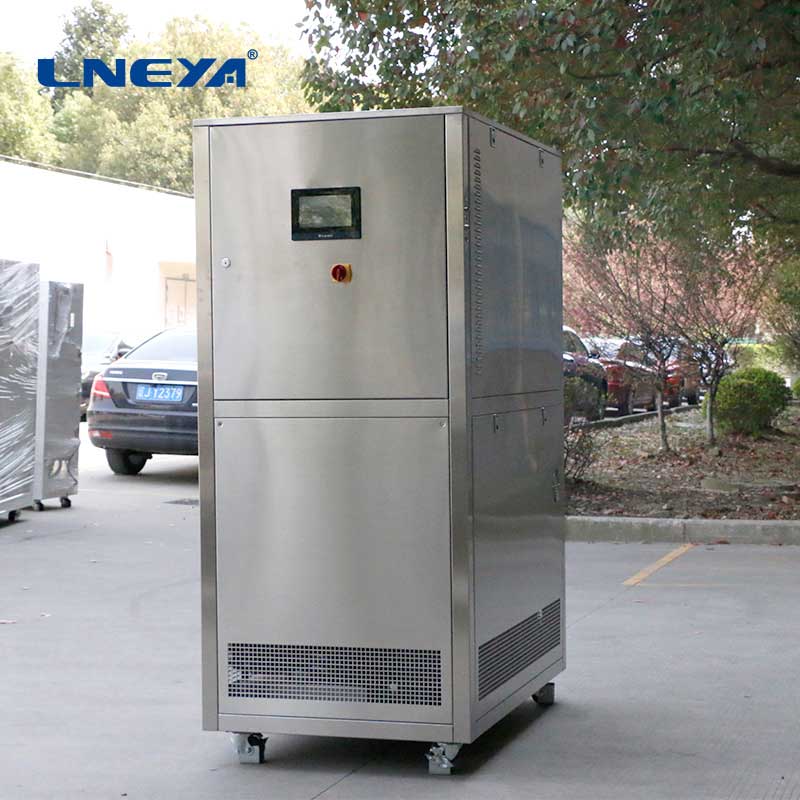
Industrial Processes: Manufacturing, chemical processing, and food and beverage production.
Commercial Buildings: Office buildings, shopping malls, and hotels.
Data Centers: Cooling servers and IT equipment.
Selecting the Right Water-Cooled Cooling System
When selecting a water-cooled cooling system, consider:
Cooling Capacity: Ensure the system can meet the cooling demands of the application.
System Type: Choose between direct or indirect cooling systems based on the application.
Maintenance Requirements: Opt for systems with low maintenance needs for long-term cost savings.
Maintenance and Operation
Proper maintenance is crucial for the efficient operation of water-cooled cooling systems. This includes regular inspections, cleaning of heat exchangers, and monitoring of pump performance.
Environmental Considerations
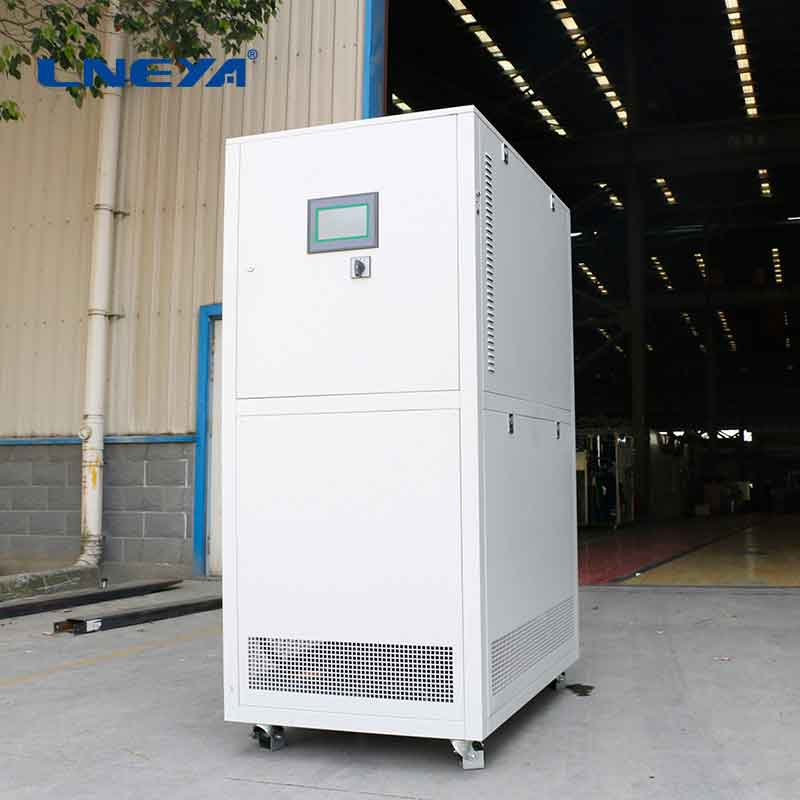
Water-cooled systems can contribute to environmental sustainability by reducing energy consumption and using environmentally friendly refrigerants.
Conclusion
Water-cooled cooling systems offer a reliable and efficient solution for managing heat in various applications. By understanding their components, advantages, and the factors involved in their selection and maintenance, users can ensure optimal performance and reliability in their cooling processes. The advancements in cooling technology have made these systems more accessible and efficient for a wide range of operations.
This article provides a comprehensive guide to water-cooled cooling systems, discussing their key components, advantages, applications, and the considerations for their selection and maintenance. It emphasizes the importance of choosing the right system for specific cooling needs and highlights the advancements in cooling technology that have made these systems more accessible and efficient.
This content is copyrighted by LNEYA. If there is any infringement, please contact email: Lilia@lneya.com
The prev: water cooled chilling plantThe next: water cooled process chiller
Related recommendations

most efficient portable heater
387Types of Portable Heaters and Their EfficiencyConvection HeatersHow They Work: Convection heaters work by heating the air around them. As the air warms, it becomes less dense and rises, while co...
View detailswater cooled chiller function
289The Function of Water - Cooled Chillers: A Comprehensive ExplanationWater - cooled chillers play a pivotal role in numerous industrial and commercial settings, providing reliable and efficient co...
View detailsheat recovery air cooled chiller
755Introduction to Heat Recovery Air Cooled Chillers Heat recovery air cooled chillers are innovative HVAC systems that not only cool spaces but also recover waste heat, providing hot water for va...
View detailsEnergy Saving Measures for Industrial Chiller Machine
1467Energy Saving Measures for Industrial Chiller Machine Because different regions and industries have different habits, there are many titles for the industrial chiller industry, such as indus...
View details




HelloPlease log in