 LNEYA Chiller

water bath with thermostat
Water Bath with Thermostat: A Crucial Tool for Temperature Control in Laboratories
A water bath with a thermostat, also known as a thermostat water bath, is a vital piece of equipment in scientific laboratories where temperature control is essential. It is used for a variety of applications, including incubating samples, enzyme reactions, PCR setups, and general-purpose heating without direct flame exposure. This article will explore the details of water baths, including their working principles, types, applications, maintenance, and the importance of environmental sustainability in their design and use.
Working Principles
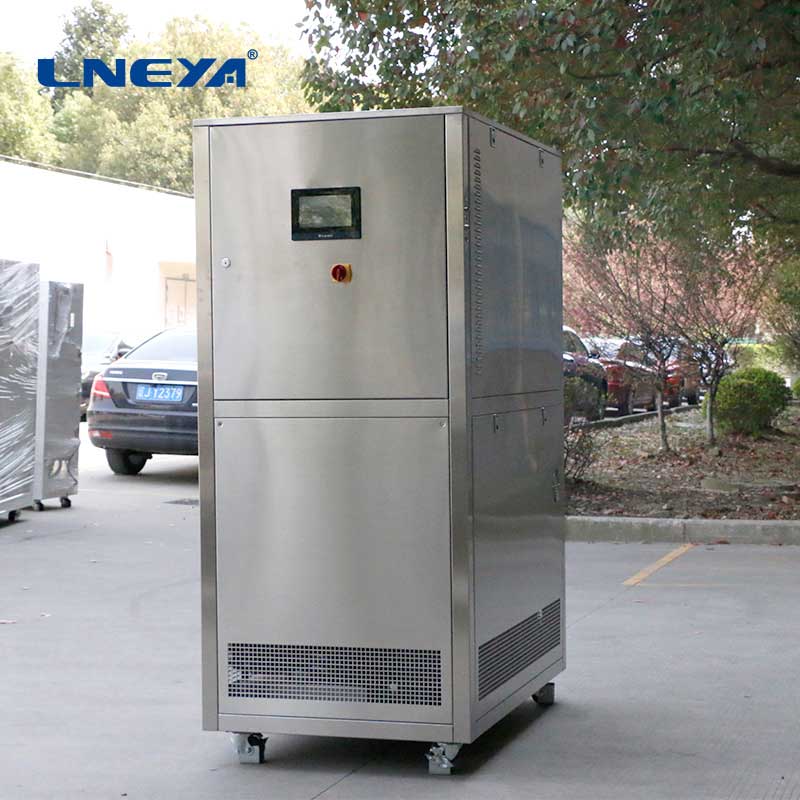
The water bath operates on a simple yet effective principle. It uses water as a heat transfer medium, which is heated by an electric element and circulates within the bath to maintain a uniform temperature. The temperature is controlled by a thermostat, which is a device that regulates the temperature by switching the heating element on and off as needed. High-sensitivity thermistor sensors are often used to monitor the water temperature accurately and maintain the set temperature within a narrow range, typically up to 100°C.
Types of Water Baths
Water baths come in various designs and sizes to cater to different laboratory needs:
Non-circulating Water Baths: These are basic models suitable for applications where temperature uniformity is not critical.
Circulating Water Baths: These models have a built-in pump that circulates the water, ensuring a more uniform temperature across the bath, which is ideal for applications requiring consistency and temperature uniformity.
Applications
Water baths find use in a wide range of laboratory applications:
Incubation: For culturing cells or bacteria, where a stable temperature is required for growth.
Enzyme Reactions: Many enzymes require a specific temperature for optimal activity, and water baths provide the necessary conditions.
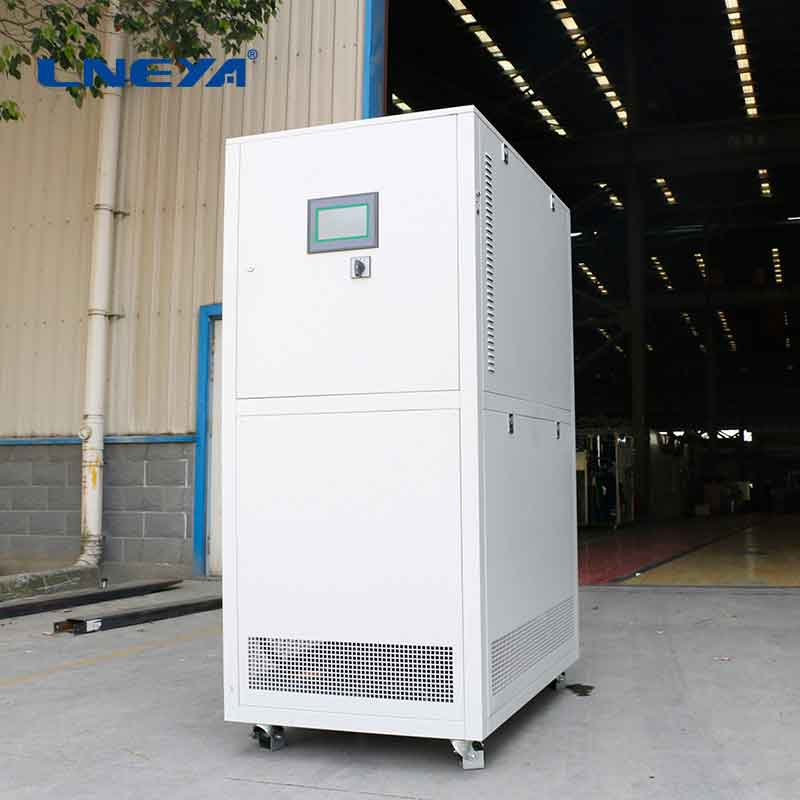
PCR Setups: Polymerase Chain Reaction (PCR) processes require precise temperature control for DNA amplification.
General Heating: For gently heating samples to specific temperatures without the risk of overheating.
Maintenance and Operation
Proper maintenance is crucial for the longevity and accuracy of water baths. Users should:
Ensure the water level is sufficient to cover the samples and avoid dry heating, which can damage the heating element.
Use distilled or deionized water to minimize scale buildup, which can affect temperature accuracy and heat transfer.
Regularly clean the bath to prevent biological contamination and maintain hygiene.
Check the thermostat for accuracy and replace any worn parts to ensure reliable operation.
Environmental Sustainability
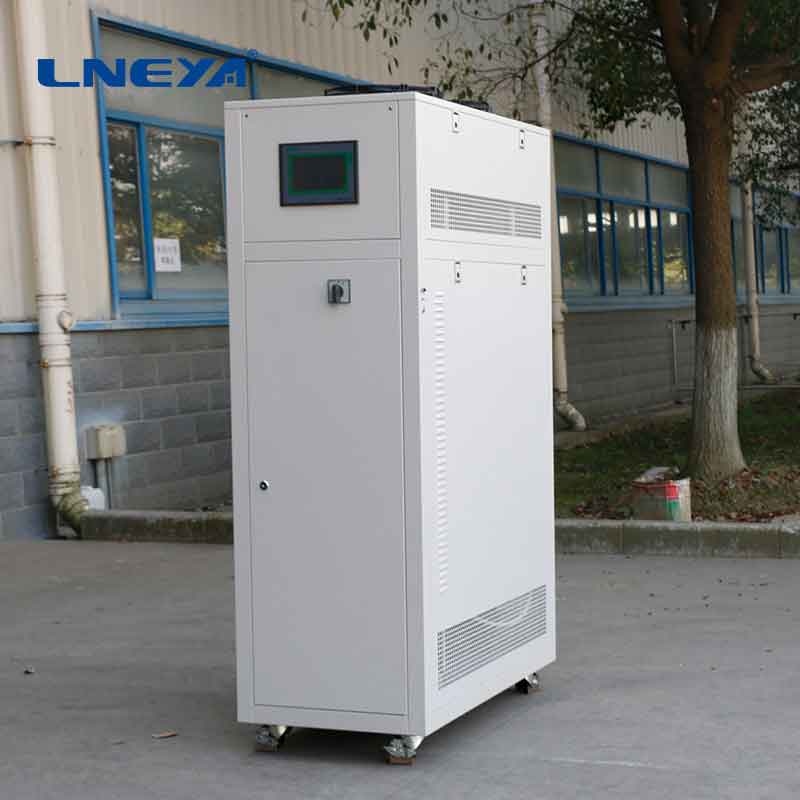
In the context of environmental sustainability, water baths should be designed for energy efficiency to minimize electricity consumption. The use of materials that are easy to recycle and the incorporation of energy-saving features are also important considerations. Laboratories are increasingly seeking equipment that not only performs well but also aligns with their sustainability goals.
Conclusion
Water baths with thermostats are indispensable in laboratories for their ability to provide precise temperature control for a variety of applications. Understanding their working principles, types, applications, and maintenance requirements is essential for any laboratory professional. As technology advances, these devices continue to evolve, offering improved performance, ease of use, and environmental sustainability. Choosing the right water bath for a specific application ensures efficient and reliable results in any scientific setting.
This content is copyrighted by LNEYA. If there is any infringement, please contact email: Lilia@lneya.com
The prev: big chillersThe next: air cooling unit uk
Related recommendations

chillers industrial
794Industrial Chillers: Market Trends, Technology, and Efficiency Industrial chillers are essential in maintaining optimal temperatures in a variety of industrial processes, from manufacturing to ...
View details60 ton air cooled chiller
646Understanding 60 Ton Air-Cooled Chillers: Features, Applications, and Efficiency Introduction to 60 Ton Air-Cooled Chillers A 60-ton air-cooled chiller is a substantial piece of industrial e...
View detailsrecirculating chiller bath
353Introduction to Recirculating Chiller BathsRecirculating chiller baths are specialized devices designed to create and maintain a stable, low - temperature environment by continuously circulating ...
View detailsair cooled glycol chiller
719Air-Cooled Glycol Chillers: Principles and Applications Air-cooled glycol chillers are specialized industrial chillers designed to provide efficient cooling using a glycol-based fluid. These ch...
View details




HelloPlease log in