 LNEYA Chiller

water chiller efficiency
Introduction to Water Chiller Efficiency
Water chillers are vital refrigeration systems that cool water (or water-glycol mixtures) for air conditioning, industrial processes (e.g., manufacturing, data center cooling), and equipment temperature control. Water chiller efficiency quantifies how effectively these systems use electrical energy to remove heat from the chilled water stream—higher efficiency means less energy is wasted to achieve the desired cooling effect.
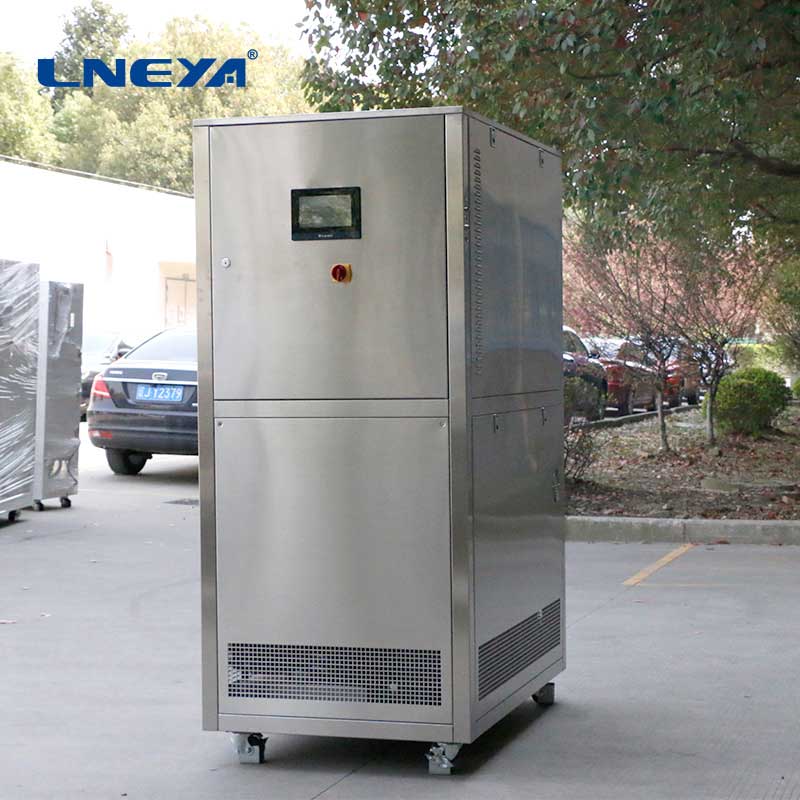
In an era of rising energy costs and stricter environmental regulations (e.g., ASHRAE 90.1, EU Energy Efficiency Directives), optimizing water chiller efficiency is no longer optional. Inefficient chillers can account for 30–50% of a building’s total electricity consumption, making efficiency improvements a high-impact way to cut costs and reduce carbon footprints.
Efficiency is not a fixed property of a water chiller; it varies based on operating conditions (e.g., temperature, load), equipment design, and maintenance. Understanding these variables is essential for maximizing performance over the chiller’s typical 15–25-year lifespan.
Key Metrics for Measuring Water Chiller Efficiency
To accurately assess and compare water chiller efficiency, industry standards define specific, measurable metrics. These metrics account for both full-load and part-load operation (the most common state for most chillers) and enable consistent evaluation across models and manufacturers.
Coefficient of Performance (COP)
COP is the most widely used metric for measuring water chiller efficiency, expressed as a dimensionless ratio of the chiller’s cooling capacity (in kilowatts, kW) to the electrical power input (in kW) required to operate it.
Formula: COP = Cooling Capacity (kW) / Electrical Power Input (kW)
Interpretation: A COP of 5 means the chiller produces 5 kW of cooling for every 1 kW of electricity consumed. Higher COP values indicate greater efficiency.
Key Considerations:
COP is temperature-dependent: It increases with lower ambient temperatures (for water-cooled chillers, this translates to lower cooling tower water temperatures) and higher chilled water supply temperatures.
It includes all electrical inputs, such as the compressor, condenser fans, and chilled water pumps (when integrated), providing a holistic view of energy use.
COP is typically rated at full load (100% cooling capacity), which is useful for comparing baseline efficiency but may not reflect real-world performance (since chillers rarely run at full load).
Energy Efficiency Ratio (EER)
EER is another common efficiency metric, defined as the ratio of the chiller’s cooling capacity (in British Thermal Units per hour, BTU/h) to its electrical power input (in watts, W).
Formula: EER = Cooling Capacity (BTU/h) / Electrical Power Input (W)
Conversion to COP: Since 1 W = 3.412 BTU/h, EER can be converted to COP using the formula: COP = EER / 3.412. For example, an EER of 17 translates to a COP of ~4.98.
Key Considerations:
EER is primarily used for smaller water chillers (e.g., residential or light commercial models <15 tons) and is rated at standard conditions (e.g., 95°F ambient air for air-cooled chillers, 85°F cooling tower water for water-cooled chillers, and 44°F chilled water supply).
Unlike COP, EER does not account for variable operating conditions, making it less suitable for large, industrial chillers that operate across a range of loads.
Integrated Part-Load Value (IPLV)
IPLV is an advanced metric designed to reflect a water chiller’s efficiency at part-load conditions—the reality for most systems, as cooling demand fluctuates throughout the day and year (e.g., lower load at night, higher load during peak daytime hours).
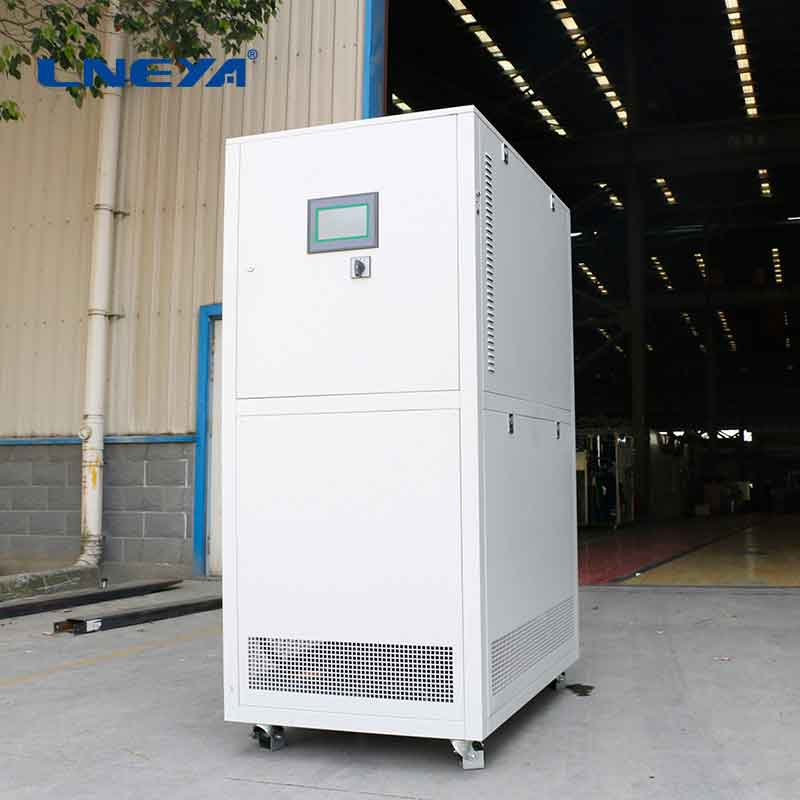
Formula: IPLV = (0.01×A) + (0.42×B) + (0.45×C) + (0.12×D), where:
A = COP at 100% full load
B = COP at 75% part load
C = COP at 50% part load
D = COP at 25% part load
Weighting Rationale: The coefficients (0.01, 0.42, 0.45, 0.12) are based on typical chiller operation data, reflecting that chillers run most often at 50–75% load (67% of total operating time combined) and rarely at full load (1% of time).
Key Considerations:
IPLV is required by standards like ASHRAE 90.1 for chillers ≥15 tons, as it provides a more realistic efficiency estimate than full-load COP.
A related metric, Non-Standard Part-Load Value (NPLV), uses site-specific load profiles instead of standard weightings, making it more accurate for custom applications (e.g., data centers with constant high loads).
Annual Fuel Utilization Efficiency (AFUE)
While less common for electric water chillers, AFUE is occasionally used for absorption water chillers (which run on natural gas or waste heat instead of electricity). It measures the percentage of fuel energy converted into useful cooling over a year.
Formula: AFUE = (Annual Useful Cooling Output) / (Annual Fuel Input) × 100%
Interpretation: An AFUE of 90% means 90% of the fuel’s energy is used for cooling, with 10% lost as waste heat.
Primary Factors Influencing Water Chiller Efficiency
Water chiller efficiency is shaped by a combination of operating conditions, equipment design, and maintenance practices. Understanding these factors allows facility managers and engineers to identify inefficiencies and implement targeted improvements.
Operating Conditions
Operating conditions are the most dynamic factors affecting efficiency, as they change daily and seasonally.
Ambient and Cooling Water Temperature (for Water-Cooled Chillers)
Water-cooled chillers use cooling towers to reject heat from the condenser to the atmosphere. The temperature of the cooling water entering the condenser (known as “cooling tower supply water temperature”) directly impacts efficiency:
Effect: For every 1°F (0.56°C) decrease in cooling tower supply water temperature, chiller COP increases by 2–3%. Conversely, warmer ambient temperatures (which raise cooling tower water temperatures) force the compressor to work harder, reducing efficiency.
Example: A water-cooled chiller with a COP of 5.0 at 85°F cooling tower water may drop to a COP of 4.5 when cooling tower water rises to 95°F (a 10% efficiency loss).
Chilled Water Temperature
The temperature of the chilled water supplied to the load (e.g., air handlers, industrial equipment) also affects efficiency:
Supply Temperature: Higher chilled water supply temperatures (e.g., 46°F vs. 42°F) reduce the chiller’s cooling load, as less heat is required to cool the water. For every 1°F increase in supply temperature, COP rises by 3–5%.
Temperature Difference (ΔT): The difference between chilled water supply and return temperatures (ΔT = Return Temp – Supply Temp) indicates how much heat the water absorbs from the load. A smaller ΔT (e.g., 8°F vs. 12°F) means the chiller must circulate more water to meet the load, increasing pump energy use and lowering overall system efficiency. Poor ΔT (often called “low ΔT syndrome”) is a common issue caused by dirty coils, unbalanced water flow, or oversized coils.
Load Profile
Chillers operate most efficiently at 70–80% part load. At extreme loads (full load or <25% part load), efficiency declines:
Full Load: While COP is rated at full load, continuous full-load operation strains the compressor, increasing energy use and wear.
Low Load (<25%): Fixed energy losses (e.g., fan and pump power, compressor standby power) become a larger share of total energy use, reducing COP. For example, a 100-ton chiller at 20% load (20 tons) may use 30% of its full-load power, leading to a much lower COP than at 70% load.
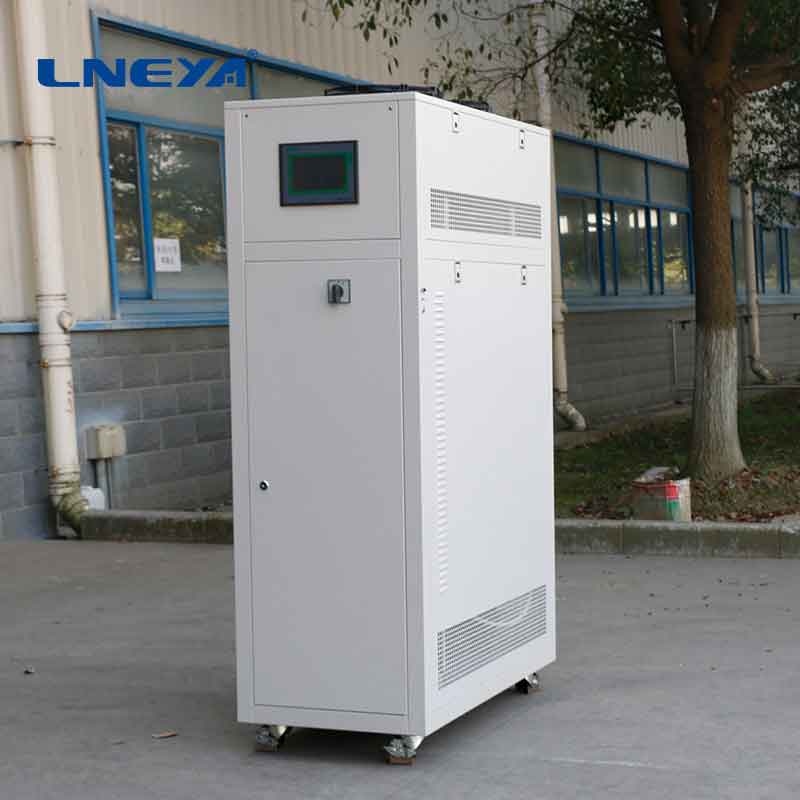
Equipment Design and Components
The design of the water chiller and its key components directly impacts baseline efficiency.
Compressor Type
The compressor is the chiller’s most energy-intensive component (accounting for 60–80% of total power use), so its type and design are critical:
Reciprocating Compressors: Used in small chillers (10–150 tons), with lower efficiency (COP 2.5–3.5) due to their intermittent, piston-driven operation.
Scroll Compressors: Medium-sized chillers (5–100 tons), with moderate efficiency (COP 3.0–4.0) and good part-load performance.
Screw Compressors: Large chillers (50–1,000 tons), with high efficiency (COP 3.5–5.0) and flexible capacity control via slide valves, making them ideal for variable loads.
Centrifugal Compressors: Very large chillers (200–5,000 tons), with the highest efficiency (COP 4.0–6.0) at full and moderate part loads. Modern centrifugal chillers often include variable-speed drives (VSDs) to improve low-load efficiency.
Refrigerant Type
Refrigerants have unique thermodynamic properties that influence heat transfer and compressor efficiency:
Hydrofluorocarbons (HFCs): Common in older chillers (e.g., R-134a), with moderate efficiency. Many HFCs have high global warming potential (GWP) and are being phased out under regulations like the Kigali Amendment.
Hydrofluoroolefins (HFOs): Low-GWP alternatives (e.g., R-1234ze, R-1234yf) with similar or higher efficiency than HFCs. They are now the standard for new chillers.
Ammonia (R-717): High-efficiency refrigerant (COP 5.0–7.0) used in industrial chillers, but toxic and corrosive, requiring specialized handling and safety systems.
Carbon Dioxide (R-744): Ultra-low GWP refrigerant, suitable for low-temperature applications (e.g., food processing), with good efficiency at moderate ambient temperatures.
Heat Exchanger Design
Condensers and evaporators (the chiller’s heat exchangers) facilitate heat transfer between the refrigerant and water. Their design affects efficiency:
Tube-and-Shell Heat Exchangers: Traditional design for water-cooled chillers, with copper or titanium tubes. Enhanced tube surfaces (e.g., rifled or finned tubes) increase heat transfer area, boosting efficiency by 5–10%.
Plate Heat Exchangers: Compact design with stainless steel plates, used in smaller chillers. They offer higher heat transfer efficiency than tube-and-shell units but are more prone to fouling (mineral deposits) in hard water.
Microchannel Heat Exchangers: Emerging design with small, parallel channels, used in air-cooled water chillers. They reduce refrigerant charge and improve heat transfer, increasing efficiency by 10–15% compared to traditional coil designs.
Controls and Variable-Speed Drives (VSDs)
Modern control systems and VSDs optimize efficiency by adjusting chiller output to match load:
VSD Compressors: Adjust compressor speed based on cooling demand, reducing power use at part load. A VSD centrifugal chiller can have an IPLV 20–30% higher than a fixed-speed model.
Smart Controls: Building Management Systems (BMS) integrate chiller operation with other HVAC components (e.g., cooling towers, pumps, air handlers) to optimize system-wide efficiency. For example, a BMS may raise chilled water supply temperature during low-load periods to reduce chiller energy use.
Maintenance Practices
Poor maintenance is a leading cause of efficiency degradation over time. Even well-designed chillers lose 1–2% of their efficiency annually without proper care.
Heat Exchanger Cleaning
Fouling (dust, dirt, mineral deposits) on condensers and evaporators reduces heat transfer:
Condenser Fouling: For water-cooled chillers, mineral deposits from cooling tower water build up on condenser tubes. A 0.001-inch thick scale can reduce efficiency by 5–10%. Regular cleaning (e.g., chemical descaling, brush cleaning) restores performance.
Evaporator Fouling: Chilled water side fouling (e.g., rust, sediment) reduces heat absorption. Annual flushing and chemical treatment prevent buildup.
Air-Cooled Condensers: Dust and debris accumulate on coils, restricting airflow. Monthly pressure washing (with low-pressure water) maintains heat rejection efficiency.
Refrigerant Charge and Leak Detection
Low refrigerant charge (due to leaks) forces the compressor to work harder, reducing efficiency and increasing wear:
Effect: A 10% refrigerant leak can reduce COP by 5–10% and cooling capacity by 10–15%.
Prevention: Regular leak testing (e.g., ultrasonic, infrared, or pressure decay testing) and prompt repair of leaks. Annual refrigerant charge verification ensures optimal levels.
Lubricant Maintenance
Compressor lubricant (oil) is critical for reducing friction and heat:
Oil Contamination: Dirt, moisture, or refrigerant dilution degrades oil performance, increasing compressor energy use. Regular oil analysis and replacement (per manufacturer guidelines) prevent this.
Oil Level Checks: Low oil levels cause compressor overheating, while high levels reduce heat transfer in the evaporator. Monthly oil level checks ensure proper operation.
Fan and Pump Maintenance
Condenser fans and chilled water pumps contribute to energy use and efficiency:
Fan Maintenance: Dirty fan blades, loose belts, or worn motors reduce airflow (for air-cooled chillers) or cooling tower performance (for water-cooled chillers). Quarterly fan inspections and lubrication maintain efficiency.
Pump Maintenance: Unbalanced water flow, clogged strainers, or worn impellers increase pump power use. Annual pump inspections, strainer cleaning, and alignment checks optimize performance.
Efficiency Comparison of Water Chiller Types
Different types of water chillers (classified by compressor type) have distinct efficiency profiles, making some better suited for specific applications than others. Below is a detailed comparison:
Reciprocating Water Chillers
Capacity Range: 10–150 tons (35–527 kW)
Efficiency (COP): 2.5–3.5 (full load); 2.0–3.0 (IPLV)
Best For: Small commercial applications (e.g., restaurants, small offices) with low to moderate cooling demand and consistent loads.
Pros: Low initial cost, simple design, easy maintenance.
Cons: Low efficiency, high vibration, limited capacity.
Scroll Water Chillers
Capacity Range: 5–100 tons (18–352 kW)
Efficiency (COP): 3.0–4.0 (full load); 2.5–3.5 (IPLV)
Best For: Light commercial applications (e.g., hotels, apartments, small data centers) with variable loads.
Pros: Quiet operation, good part-load efficiency, compact design.
Cons: Limited capacity, less efficient than screw or centrifugal chillers.
Screw Water Chillers
Capacity Range: 50–1,000 tons (176–3,517 kW)
Efficiency (COP): 3.5–5.0 (full load); 3.0–4.5 (IPLV)
Best For: Industrial applications (e.g., manufacturing plants, medium-sized data centers) and large commercial buildings (e.g., shopping malls) with high, variable loads.
Pros: High efficiency, flexible capacity control, long lifespan (20–25 years).
Cons: Higher initial cost than reciprocating/scroll chillers, requires more space.
This content is copyrighted by LNEYA. If there is any infringement, please contact email: Lilia@lneya.com
The prev: chiller rate
Related recommendations

heating cooling system
407IntroductionHeating cooling systems, often referred to as HVAC (Heating, Ventilation, and Air Conditioning) systems, are integral to modern life. Whether it’s keeping homes cozy during frigid win...
View detailswater chiller uk
549What are Water Chillers? Water chillers are refrigeration systems designed to cool water or a water-glycol mixture, which is then circulated through process equipment or machinery to absorb and...
View detailsprocess heater
274IntroductionIn industrial settings, maintaining precise temperature control is often critical for the successful execution of various processes. Process heaters are essential equipment designed t...
View detailsair cooled water chiller system
542Air-Cooled Water Chiller Systems: Efficient Cooling for Diverse Applications Air-cooled water chiller systems are an essential component in the HVAC industry, providing efficient cooling for a ...
View details




HelloPlease log in