 LNEYA Chiller

chiller rate
Introduction to Chiller Rate
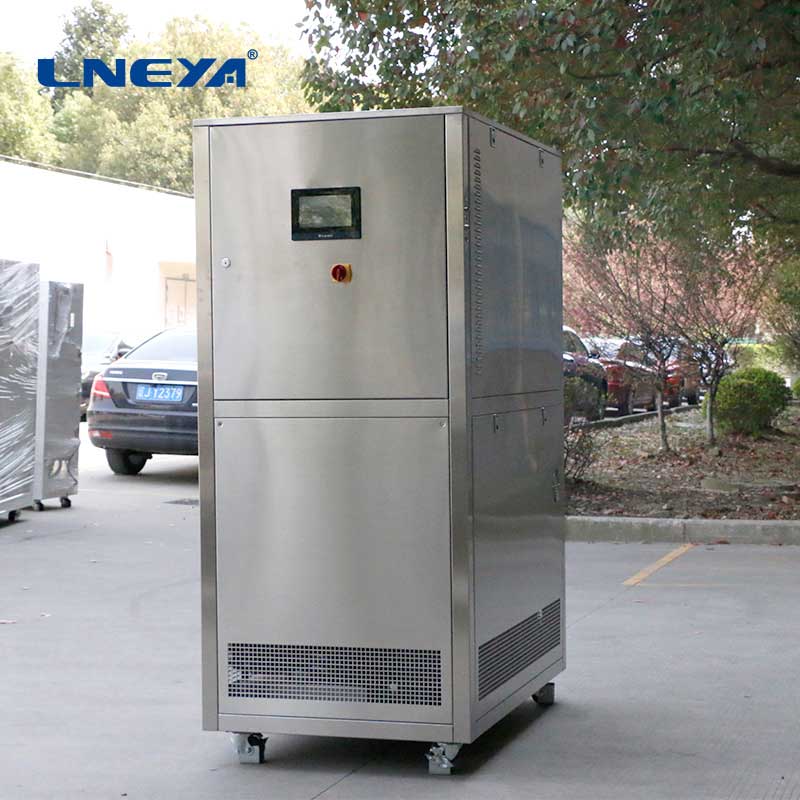
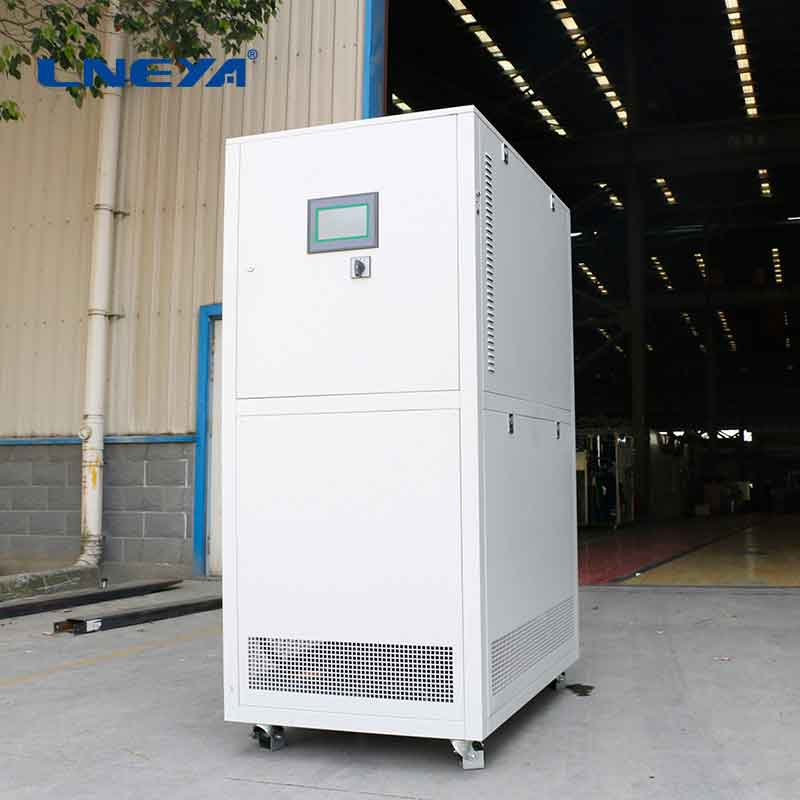
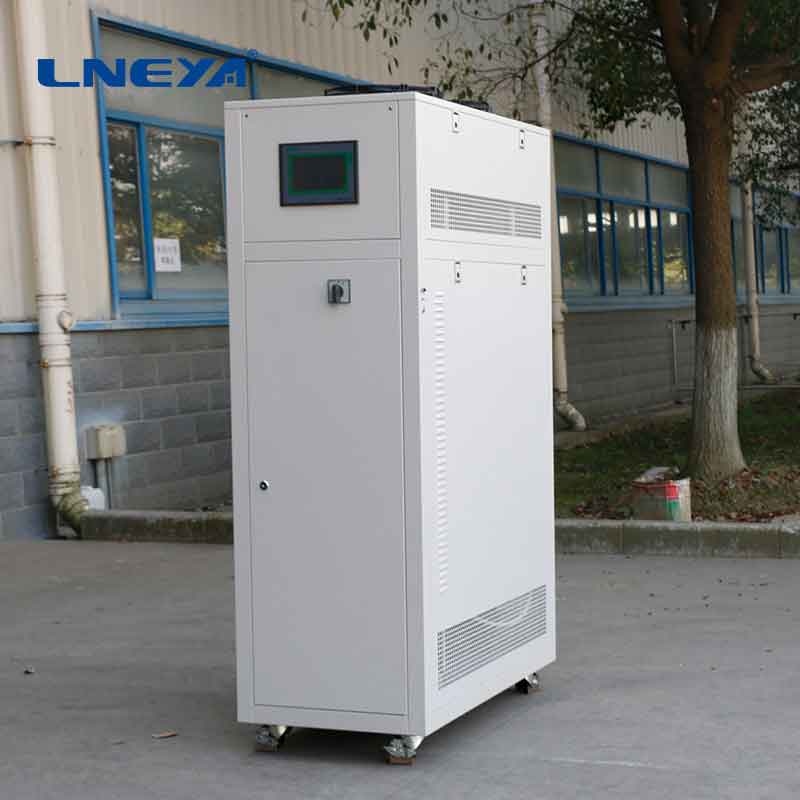
Chiller rate is a collective term describing the performance metrics that quantify a chiller’s ability to remove heat (cooling capacity) and its efficiency in doing so. Chillers are refrigeration systems that cool fluids (usually water or a water-glycol mixture, called chilled water) for air conditioning, industrial processes, or equipment cooling. Understanding chiller rate is essential for system design, energy management, and cost control—whether sizing a chiller for a new building, troubleshooting underperforming units, or optimizing existing systems.
Two primary categories of chiller rate exist:
Cooling Capacity Rate: Measures how much heat a chiller can remove per unit time (e.g., tons, kilowatts).
Efficiency Rate: Measures how efficiently a chiller uses energy to deliver its cooling capacity (e.g., COP, EER).
These metrics are not static; they vary based on operating conditions, equipment age, and maintenance practices. A clear grasp of chiller rate ensures that chillers are matched to load requirements, minimizing energy waste and maximizing lifespan.
Key Chiller Rate Metrics
Chiller rate is defined by specific, standardized metrics that allow for consistent comparison across different chiller models and manufacturers. Below are the most critical metrics, their definitions, and how they are used:
Cooling Capacity Rate
Cooling capacity rate quantifies the total heat a chiller can extract from the chilled water stream in a given time. It is the primary metric for determining if a chiller can meet the cooling demand of a space or process. The two most common units of measurement are:
Tons of Refrigeration (TR)
A “ton” of refrigeration is a historical unit, originally based on the heat required to melt one ton (2,000 pounds) of ice at 32°F (0°C) in 24 hours.
Conversion: 1 TR = 12,000 British Thermal Units per hour (BTU/h) = 3.517 kilowatts (kW) of cooling capacity.
Usage: Widely used in North America for commercial and residential chillers. For example, a 50-ton chiller can remove 50 × 12,000 = 600,000 BTU/h (or 175.85 kW) of heat.
Kilowatts (kW)
Kilowatts are the SI (International System of Units) unit for cooling capacity, representing 1,000 joules of heat removed per second.
Usage: Standard globally, especially in industrial settings and Europe/Asia. It is directly compatible with electrical power measurements (since chiller energy use is also measured in kW), simplifying efficiency calculations.
Efficiency Rate
Efficiency rate measures how much cooling a chiller delivers relative to the energy it consumes. Higher efficiency rates mean lower operating costs and reduced environmental impact. The two primary efficiency metrics are:
Coefficient of Performance (COP)
COP is a dimensionless ratio of the chiller’s cooling capacity (in kW) to the electrical power input (in kW) required to operate it.
Formula: COP = Cooling Capacity (kW) / Electrical Power Input (kW)
Interpretation: A COP of 4 means the chiller produces 4 kW of cooling for every 1 kW of electricity consumed. COP is temperature-dependent—higher COP values occur at moderate ambient temperatures and optimal chilled water temperatures.
Usage: Preferred for industrial chillers and systems operating at variable loads, as it accounts for all electrical inputs (compressor, fans, pumps).
Energy Efficiency Ratio (EER)
EER is the ratio of cooling capacity (in BTU/h) to electrical power input (in watts, W).
Formula: EER = Cooling Capacity (BTU/h) / Electrical Power Input (W)
Conversion: Since 1 W = 3.412 BTU/h, EER can be converted to COP using the formula: COP = EER / 3.412. For example, an EER of 12 translates to a COP of ~3.52.
Usage: Common in residential and light commercial chillers (e.g., window units, small air-cooled chillers). Unlike COP, EER is typically rated at a specific set of standard conditions (e.g., 95°F ambient air, 44°F chilled water), making it less flexible for variable-load scenarios.
Integrated Part-Load Value (IPLV)
IPLV is an advanced efficiency metric that accounts for a chiller’s performance at part-load conditions (the most common operating state for most chillers). It weights efficiency at different load percentages (e.g., 100%, 75%, 50%, 25%) based on typical usage patterns.
Formula: IPLV = (0.01×A) + (0.42×B) + (0.45×C) + (0.12×D), where A = COP at 100% load, B = COP at 75% load, C = COP at 50% load, D = COP at 25% load.
Usage: Required by standards like ASHRAE 90.1 for large chillers (≥15 tons). IPLV provides a more realistic efficiency estimate than COP or EER, which are rated at full load.
Factors Influencing Chiller Rate
Chiller rate (both capacity and efficiency) is not fixed—it is heavily influenced by operating conditions, equipment design, and maintenance. Understanding these factors is critical for optimizing performance and troubleshooting issues like reduced cooling capacity or high energy use.
Operating Conditions
Ambient Temperature
Air-Cooled Chillers: Ambient air temperature directly affects the condenser’s ability to reject heat. Higher ambient temperatures (e.g., 100°F vs. 80°F) force the compressor to work harder, reducing cooling capacity (by 5–15% for every 10°F increase) and lowering COP (by 10–20% for every 10°F increase).
Water-Cooled Chillers: Ambient temperature impacts the temperature of the cooling water source (e.g., 冷却塔,river water). Warmer cooling water reduces condenser heat rejection, leading to similar capacity and efficiency losses as air-cooled chillers.
Chilled Water Temperature
Supply Temperature: Lower chilled water supply temperatures (e.g., 40°F vs. 45°F) increase the chiller’s cooling load, as more heat is removed from the fluid. This requires the compressor to consume more energy, reducing COP (by ~5% for every 1°F decrease in supply temperature).
Temperature Difference (ΔT): The difference between chilled water supply and return temperatures (ΔT = Return Temp – Supply Temp) indicates how much heat the chilled water absorbs from the load. A smaller ΔT (e.g., 8°F vs. 12°F) means the chiller must circulate more water to meet the load, increasing pump energy use and reducing overall system efficiency.
Load Profile
Chillers rarely operate at full load—most run at 50–75% load on average.
Capacity: At part load, cooling capacity decreases proportionally to the load (e.g., a 100-ton chiller at 50% load delivers 50 tons).
Efficiency: Efficiency (COP/IPLV) peaks at 70–80% load for most chillers. At very low loads (<25%), efficiency drops significantly due to fixed energy losses (e.g., fan/pump power, compressor standby power).
Equipment Design and Components
Compressor Type
The compressor is the primary energy consumer in a chiller, and its design impacts both capacity and efficiency:
Reciprocating Compressors: Lower capacity (10–150 tons) and COP (2.5–3.5) but cost-effective for small loads.
Scroll Compressors: Medium capacity (5–100 tons) and higher COP (3.0–4.0), ideal for commercial buildings.
Screw Compressors: High capacity (50–1,000 tons) and COP (3.5–5.0), common in industrial settings.
Centrifugal Compressors: Very high capacity (200–5,000 tons) and COP (4.0–6.0), used in large commercial buildings (e.g., malls, hospitals) and industrial plants.
Refrigerant Type
Refrigerants have different thermodynamic properties that affect chiller rate:
Hydrofluorocarbons (HFCs): Common in older chillers (e.g., R-134a), with moderate efficiency.
Hydrofluoroolefins (HFOs): Low-global-warming-potential (GWP) alternatives (e.g., R-1234ze), with similar or higher efficiency than HFCs.
Ammonia (R-717): High-efficiency refrigerant (COP 5–7) used in industrial chillers, but toxic and requires specialized handling.
Carbon Dioxide (R-744): Ultra-low GWP refrigerant, suitable for low-temperature applications, with good efficiency at moderate ambient temperatures.
Heat Exchanger Design
Condensers and evaporators (the chiller’s heat exchangers) directly impact heat transfer efficiency:
Tube-and-Shell Heat Exchangers: Traditional design, widely used in water-cooled chillers. Fouling (mineral deposits) on tubes reduces heat transfer, lowering cooling capacity by 10–20% if not cleaned.
Plate Heat Exchangers: Compact design with higher heat transfer efficiency, used in air-cooled and small water-cooled chillers. Less prone to fouling but more expensive.
Maintenance and Age
Regular Maintenance
Poor maintenance is a leading cause of reduced chiller rate:
Dirty Condensers/Evaporators: Dust, dirt, or mineral deposits reduce heat transfer, lowering cooling capacity by 5–30% and increasing energy use by 10–40%.
Low Refrigerant Charge: Leaks or undercharging reduce cooling capacity (by 1–2% per 10% charge loss) and increase compressor strain, leading to premature failure.
Clogged Filters/Coils: Restricted airflow (air-cooled chillers) or water flow (water-cooled chillers) reduces heat rejection, lowering efficiency.
Equipment Age
Chillers typically have a lifespan of 15–25 years. As they age:
Capacity: Cooling capacity decreases by 1–2% per year due to wear (e.g., compressor valve degradation, heat exchanger fouling).
Efficiency: COP drops by 2–3% per year, as components lose performance and become less efficient. Replacing a 20-year-old chiller with a new, high-efficiency model can reduce energy use by 30–50%.
Calculating Chiller Rate
Accurate calculation of chiller rate (capacity and efficiency) is essential for system sizing, performance monitoring, and energy audits. Below are step-by-step methods for calculating key metrics, using real-world examples.
Calculating Cooling Capacity (TR and kW)
Cooling capacity is calculated using the heat transfer equation for chilled water, which accounts for water flow rate, temperature difference, and water density/specific heat.
Formula for Cooling Capacity (kW)
Cooling Capacity (kW) = Water Flow Rate (m³/h) × Temperature Difference (ΔT, °C) × Water Density (kg/m³) × Specific Heat of Water (kJ/kg·°C) / 3.6
Constants: Water density = 1,000 kg/m³; Specific heat of water = 4.186 kJ/kg·°C; 3.6 converts kJ/h to kW (since 1 kW = 3.6 kJ/s = 12,960 kJ/h).
Formula for Cooling Capacity (TR)
Cooling Capacity (TR) = Water Flow Rate (gpm) × Temperature Difference (ΔT, °F) × 500 / 12,000
Constants: 500 = Approximate weight of 1 gallon of water (8.33 lbs) × 60 minutes/hour; 12,000 = BTU/h per ton.
Example Calculation
Scenario: A water-cooled chiller circulates chilled water at 150 gallons per minute (gpm). The chilled water supply temperature is 44°F, and the return temperature is 56°F.
ΔT = 56°F – 44°F = 12°F
Cooling Capacity (TR) = (150 gpm × 12°F × 500) / 12,000 = (900,000) / 12,000 = 75 TR
Convert to kW: 75 TR × 3.517 kW/TR = 263.78 kW
Calculating Efficiency (COP and EER)
Efficiency metrics require measuring both cooling capacity and electrical power input.
Formula for COP
COP = Cooling Capacity (kW) / Electrical Power Input (kW)
Electrical Power Input: Measured using a power meter, which records the total kW consumed by the chiller (compressor, fans, pumps).
Formula for EER
EER = Cooling Capacity (BTU/h) / Electrical Power Input (W)
Conversion: Cooling Capacity (BTU/h) = TR × 12,000; Electrical Power Input (W) = kW × 1,000.
Example Calculation
Scenario: The 75-TR chiller from the previous example consumes 65 kW of electrical power.
Cooling Capacity (kW) = 263.78 kW
COP = 263.78 kW / 65 kW ≈ 4.06
Cooling Capacity (BTU/h) = 75 TR × 12,000 = 900,000 BTU/h
Electrical Power Input (W) = 65 kW × 1,000 = 65,000 W
EER = 900,000 BTU/h / 65,000 W ≈ 13.85
Verify COP-EER conversion: 13.85 / 3.412 ≈ 4.06 (matches COP calculation).
Calculating IPLV
IPLV requires COP values at four load points (100%, 75%, 50%, 25%), which are typically provided by the chiller manufacturer or measured via load testing.
Example Calculation
Scenario: A chiller has the following COP values at different loads:
100% load: COP = 4.2
75% load: COP = 4.8
50% load: COP = 5.0
25% load: COP = 3.5
IPLV = (0.01×4.2) + (0.42×4.8) + (0.45×5.0) + (0.12×3.5)
= 0.042 + 2.016 + 2.25 + 0.42
= 4.728
This IPLV indicates the chiller’s average efficiency under typical part-load conditions, which is higher than its full-load COP (4.2).
This content is copyrighted by LNEYA. If there is any infringement, please contact email: Lilia@lneya.com
The prev: closed cycle cryocoolerThe next: water chiller efficiency
Related recommendations

water cooling water
529Introduction Water cooling water systems are designed to transfer heat from one body of water to another. Water, with its high specific heat capacity, is an excellent medium for heat transfer....
View detailscool water system
269IntroductionCool water systems play a crucial role in various industrial and commercial applications by removing excess heat. This article provides a comprehensive overview of cool water systems,...
View detailsHow can industrial chiller machine reduce energy consumption?
936How can industrial chiller machine reduce energy consumption? Firstly, we should consider the design and selection of industrial refrigerators. Reasonable design and selection can maxim...
View detailssmall water chillers
256IntroductionIn many industrial, commercial, and scientific settings, there is a need for efficient cooling systems that don't take up excessive space. Small water chillers have emerged as an idea...
View details




HelloPlease log in