 LNEYA Chiller

water cooled chiller types
Working Principle
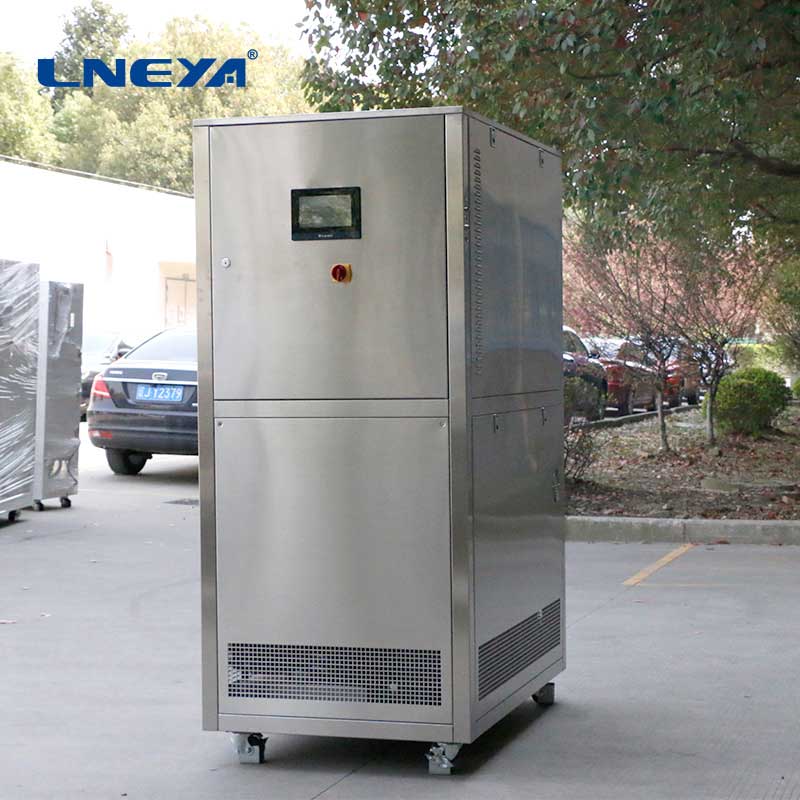
Reciprocating water cooled chillers use reciprocating compressors. These compressors operate through the back – and – forth motion of a piston within a cylinder. The refrigerant is drawn into the cylinder during the intake stroke, compressed during the compression stroke, and then discharged at a higher pressure. This high – pressure refrigerant is then sent to the condenser, where heat is transferred to the cooling water. After passing through the expansion valve, the refrigerant returns to the evaporator to absorb heat from the chilled water.
Characteristics
Good for Small to Medium – Sized Applications: They are suitable for applications with relatively small to medium cooling capacities, typically ranging from 10 to 150 tons.
Simple Design: Their design is relatively straightforward, which makes them easy to understand and maintain. However, they may require more frequent maintenance compared to some other types due to the mechanical nature of the reciprocating parts.
Lower Initial Cost: Generally, reciprocating water cooled chillers have a lower initial purchase cost, which can be an advantage for budget – conscious projects. But they may have higher energy consumption over time, especially at partial loads.
Applications
They are often used in small – scale commercial buildings such as restaurants, small offices, and some light industrial facilities where the cooling load is not extremely high.
Scroll Water Cooled Chillers
Working Principle
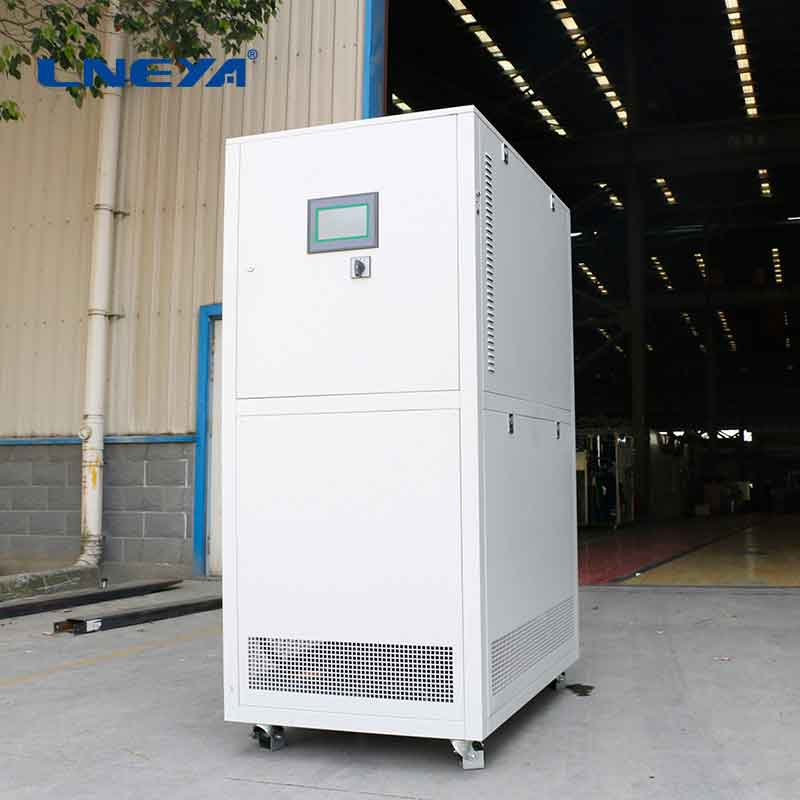
Scroll compressors in these chillers consist of two interleaved spiral – shaped scrolls. One scroll is fixed, while the other orbits around it without rotating. As the orbiting scroll moves, it traps and compresses the refrigerant in the pockets between the scrolls. The compressed refrigerant is then discharged to the condenser. The heat exchange process in the evaporator and condenser is similar to that of other chiller types, with the refrigerant absorbing heat from the chilled water in the evaporator and releasing it to the cooling water in the condenser.
Characteristics
Quiet Operation: Scroll water cooled chillers are known for their quiet operation. The smooth motion of the scrolls results in less vibration and noise compared to reciprocating compressors.
High Efficiency at Part Loads: They offer relatively high efficiency, especially when operating at part loads. This makes them suitable for applications where the cooling load varies throughout the day, such as hotels or some commercial office buildings.
Compact Design: Their design is compact, which means they require less floor space. This can be a significant advantage in facilities where space is limited. However, their cooling capacity is usually limited to relatively small to medium – sized applications, typically up to around 100 tons.
Applications
Scroll water cooled chillers are commonly used in applications like small – to – medium – sized hotels, apartments, and some data centers with moderate cooling requirements.
Screw Water Cooled Chillers
Working Principle
Screw compressors in these chillers have two meshing helical rotors. As the rotors turn, the refrigerant is trapped in the spaces between the rotors and is gradually compressed as it moves along the length of the rotors. The compressed refrigerant is then directed to the condenser. In the condenser, heat is transferred from the refrigerant to the cooling water, causing the refrigerant to condense. After passing through an expansion device, the refrigerant enters the evaporator, where it absorbs heat from the chilled water, cooling it down.
Characteristics
High Cooling Capacity: Screw water cooled chillers can handle a wide range of cooling capacities, typically from 50 to over 1000 tons. This makes them suitable for large – scale commercial and industrial applications.
Good Efficiency: They offer high energy efficiency, especially when compared to reciprocating chillers. The continuous compression process in screw compressors results in more stable operation and better energy utilization.
Flexible Capacity Control: Screw compressors can be equipped with capacity control mechanisms such as slide valves. This allows the chiller to adjust its cooling output according to the changing load requirements, further improving energy efficiency at part loads. However, they are generally more expensive to purchase and maintain compared to smaller – scale chiller types.
Applications
They are widely used in large commercial buildings like shopping malls, hospitals, and large – scale industrial facilities such as manufacturing plants, where significant cooling capacity is required.
Centrifugal Water Cooled Chillers
Working Principle
Centrifugal chillers use centrifugal compressors. In a centrifugal compressor, the refrigerant gas is drawn into the center of a rotating impeller. As the impeller spins at high speeds, the refrigerant is flung outward by centrifugal force, which increases its velocity and pressure. The high – pressure refrigerant is then sent to the condenser, where it gives up heat to the cooling water. After passing through an expansion valve, the refrigerant enters the evaporator to absorb heat from the chilled water.
Characteristics
Very High Cooling Capacity: Centrifugal water cooled chillers are designed for extremely high cooling capacities, often starting from 200 tons and going up to several thousand tons. This makes them the ideal choice for large – scale applications where massive amounts of cooling are needed.
High Efficiency at Full Load: They are highly efficient when operating at full load. However, their efficiency may decline at part loads if not equipped with advanced control systems. To address this, many modern centrifugal chillers are equipped with variable – speed drives to improve part – load performance.
Low Maintenance Requirements (Compared to Some Types): Due to their relatively simple rotating parts (compared to reciprocating compressors, for example), centrifugal chillers generally require less frequent maintenance. But when maintenance is needed, it can be more complex and expensive due to the high – tech nature of the equipment.
Applications
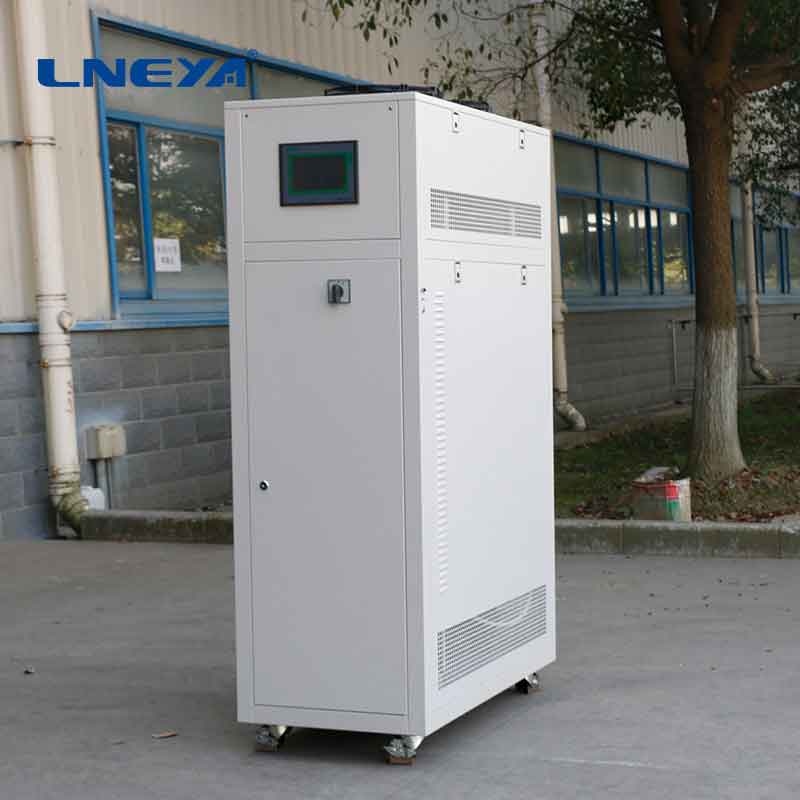
These chillers are commonly used in large – scale commercial and industrial projects such as large – scale data centers, university campuses, and large manufacturing plants. They are also used in district cooling systems, where they provide cooling to multiple buildings in a centralized manner.
Absorption Water Cooled Chillers
Working Principle
Absorption water cooled chillers operate on a different principle compared to the compression – based chillers mentioned above. They use a heat – activated process. In an absorption chiller, a refrigerant (usually water in the case of water – cooled absorption chillers) is absorbed by a sorbent (such as lithium bromide). Heat is then applied to the solution, which causes the refrigerant to be driven off from the sorbent. The high – pressure refrigerant vapor then enters the condenser, where it condenses by releasing heat to the cooling water. After passing through an expansion valve, the refrigerant enters the evaporator to absorb heat from the chilled water. The weak sorbent solution, after releasing the refrigerant, is then cooled and re – absorbs refrigerant in the absorber.
Characteristics
Can Use Waste Heat or Low – Grade Heat Sources: One of the main advantages of absorption water cooled chillers is that they can utilize waste heat from industrial processes, solar – heated water, or low – pressure steam. This makes them an attractive option for facilities where such heat sources are available, as it can significantly reduce energy costs.
Low Electrical Power Consumption: Since they are heat – activated, they consume much less electricity compared to compression – type chillers. This can be beneficial in areas where electricity costs are high or where there are restrictions on electrical power usage. However, they are generally larger in size and may have a higher initial cost. Also, their efficiency can be affected by the temperature and availability of the heat source.
Applications
Absorption water cooled chillers are often used in industrial plants where waste heat is abundant, such as in some chemical plants, food processing facilities, and also in some large – scale commercial buildings with access to solar – thermal or other low – grade heat sources. They can also be used in combined heat and power (CHP) systems, where the waste heat from power generation is used for cooling.
In conclusion, the choice of water cooled chiller type depends on various factors such as the required cooling capacity, energy efficiency needs, available heat sources (in the case of absorption chillers), initial cost, and long – term maintenance requirements. Each type of chiller has its own strengths and weaknesses, and understanding these can help in making an informed decision for a particular cooling application.
This content is copyrighted by LNEYA. If there is any infringement, please contact email: Lilia@lneya.com
The prev: types of water chillerThe next: closed cycle cryocooler
Related recommendations

remote evaporator chiller
266Remote Evaporator Chiller: A Comprehensive GuideIn the realm of modern cooling technology, remote evaporator chillers have emerged as a sophisticated solution, catering to a wide range of cooling...
View detailsSelection Reference for Chiller Equipment
1607Selection Reference for Chiller Equipment Industrial chillers are widely used, and our chillers also have many energy-saving renovation measures such as frequency conversion. The following i...
View detailsindustrial water cooler manufacturers
205Industrial Water Cooler Manufacturers: A Comprehensive InsightIn the intricate web of industrial operations, maintaining optimal temperatures is crucial for the efficient and reliable functioning...
View detailswater cooling and heating machine
327Water Cooling and Heating MachinesWater cooling and heating machines, often referred to as water - source heat pumps, are innovative devices that play a significant role in maintaining comfortable...
View details




HelloPlease log in