 LNEYA Chiller

water bath evaporation
Introduction to Water Bath Evaporation
Water bath evaporation is a laboratory technique where a sample is placed in a container that is then submerged in a water bath to control the temperature during the evaporation process. This method is crucial for the efficient and controlled evaporation of solvents, especially when dealing with temperature-sensitive materials.
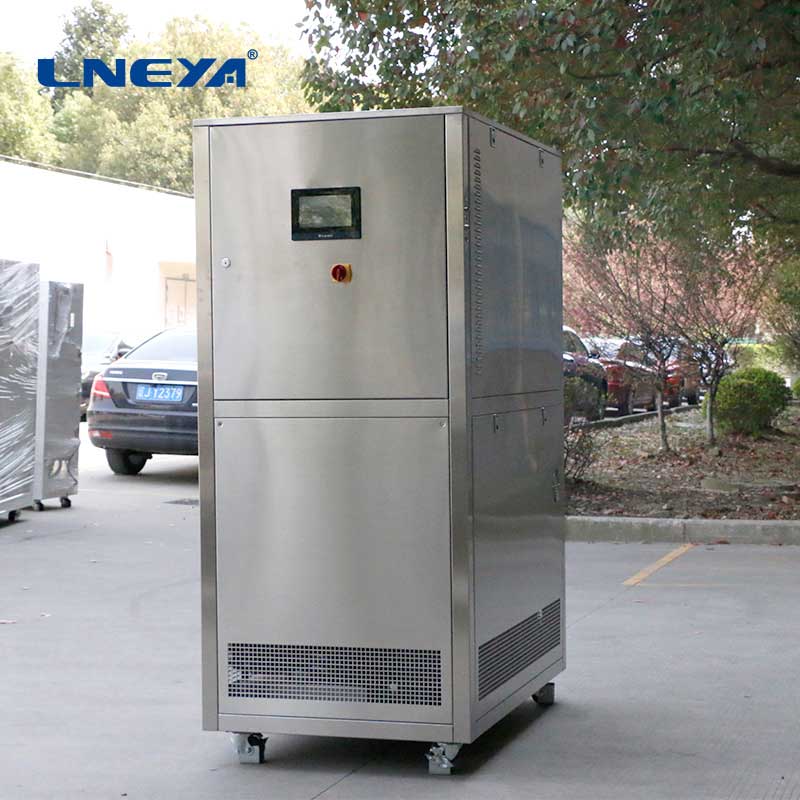
Principle of Water Bath Evaporation
The principle behind water bath evaporation is the use of water as a heat transfer medium to maintain a constant temperature. Water baths can effectively control the average heating power of electric heating tubes, keeping the water at a constant temperature. This is particularly useful as water has a high specific heat capacity, meaning it can absorb a lot of heat without a significant increase in temperature, thus providing a gentle and even heat source.
Advantages of Water Bath Evaporation
Temperature Control: Water bath evaporation allows for precise control of temperature, which is essential for reactions or processes that are sensitive to heat.
Prevention of Degradation: By maintaining a constant temperature, the risk of thermal degradation of heat-sensitive samples is minimized.
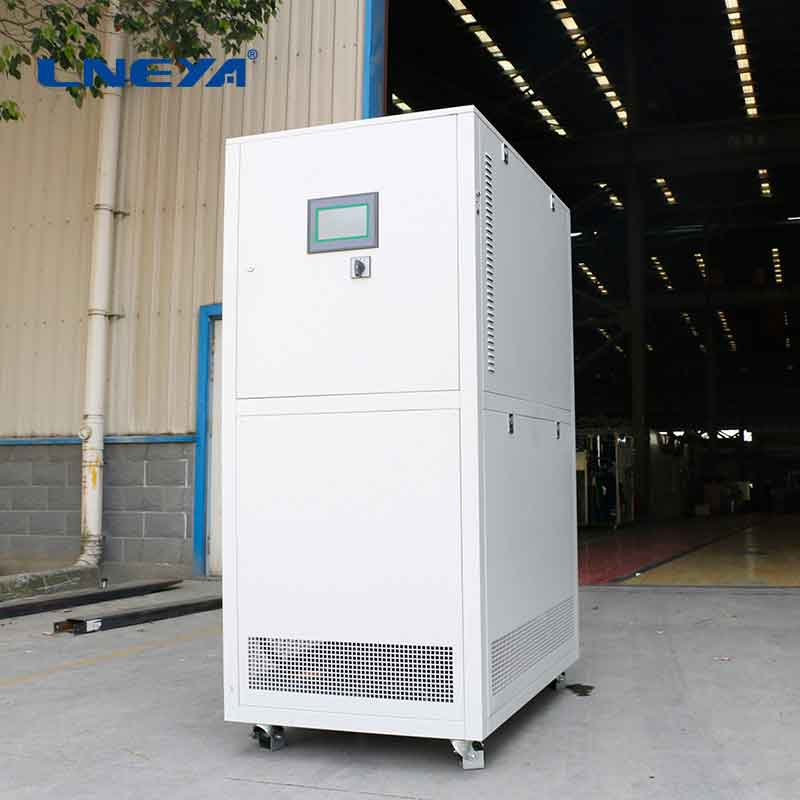
Uniform Heating: The water bath ensures that the sample is heated uniformly, which is crucial for obtaining consistent results.
Safety: Water baths are safer than direct heating methods, especially when working with flammable solvents.
Applications of Water Bath Evaporation
Water bath evaporation is used in various applications, including:
Chemical Reactions: For reactions that require a controlled temperature to proceed or complete.
Sample Concentration: In the preparation of samples for analysis, where solvents need to be evaporated off without degrading the sample.
Rotary Evaporation: Water baths are often used in conjunction with rotary evaporators to control the temperature of the evaporating solvent.
Technical Specifications
Water baths used for evaporation typically have a temperature range from room temperature to 99°C, with temperature control accuracy within 1°C. They can operate independently or in conjunction with other equipment like rotary evaporators and reactors.
Maintenance and Safety
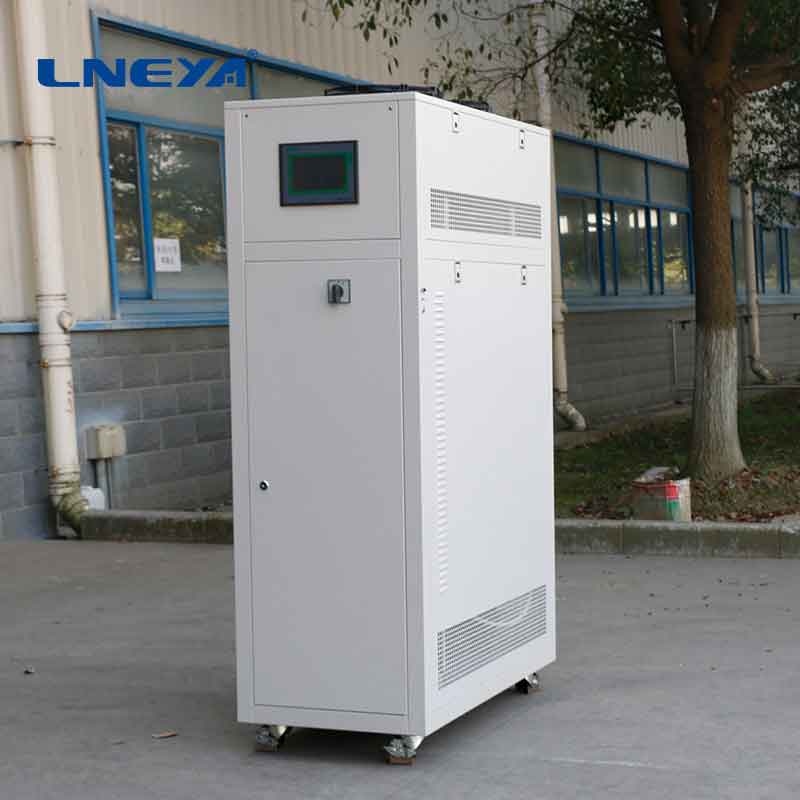
Proper maintenance of water bath equipment includes regular cleaning to prevent mineral deposit buildup and biological contamination. Safety precautions include ensuring the water level is appropriate to avoid displacement of samples and keeping the bath covered during operation to prevent contamination and evaporation.
Industry Trends
The water bath evaporation market is seeing advancements in digital controls for more accurate temperature settings and the incorporation of energy-efficient designs. There is also a focus on the use of inert gases to prevent oxidation of samples during evaporation.
Conclusion
Water bath evaporation is a valuable technique in the field of scientific research and industrial processes. It offers precise temperature control, ensuring the safety and integrity of heat-sensitive materials. As technology advances, water bath evaporation equipment continues to improve, offering more sophisticated control and efficiency for a wide range of applications. Understanding the principles, advantages, and applications of water bath evaporation is essential for anyone working in a laboratory setting where temperature control is critical.
This content is copyrighted by LNEYA. If there is any infringement, please contact email: Lilia@lneya.com
The prev: hot bath chemistryThe next: constant temp water bath
Related recommendations

liquid cooled chiller
533Liquid-Cooled Chillers: High-Performance Cooling for Industrial Applications Introduction Liquid-cooled chillers are increasingly becoming the cooling solution of choice in various industrie...
View detailswater cooled chiller operation
362Fundamental Working PrinciplesThe operation of a water-cooled chiller is based on the vapor-compression refrigeration cycle, which involves four main components: the evaporator, compressor, conde...
View details1.5 ton water chiller price
353Understanding 1.5 Ton Water Chiller PricesA 1.5 ton water chiller (providing 18,000 BTU/hr cooling capacity) is ideal for small commercial spaces, server rooms, medical equipment, and industrial p...
View detailschiller unit manufacturers
454Chiller Unit Manufacturers: A Complete Guide Introduction Chiller units are essential for maintaining optimal temperatures in various applications, from industrial processes to HVAC systems....
View details




HelloPlease log in