 LNEYA Chiller

free cooling unit
Introduction to Free Cooling Units
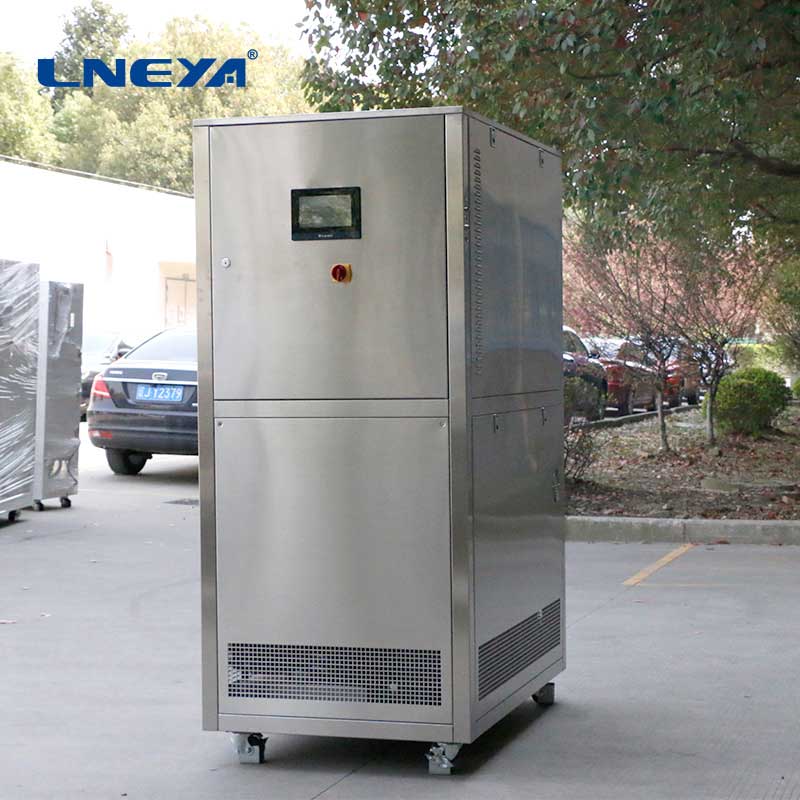
Free cooling units (FCUs) represent a significant advancement in the field of temperature management, particularly in data centers and industrial settings. By utilizing the natural coldness of ambient air or water, FCUs offer an energy-efficient alternative to traditional mechanical cooling systems. This approach not only reduces energy consumption but also contributes to environmental sustainability.
Technology and Methods of Free Cooling
Free cooling technology encompasses several methods to harness natural cold sources:
Direct Fresh Air Cooling: This method involves drawing cool outside air directly into a building or data center to cool the internal environment. It is simple and cost-effective but requires filtration to prevent dust and other particles from entering the system.
Indirect Air Cooling: In this approach, cool outside air is used to cool a heat exchanger, which then transfers the coldness to the building’s air or water system without mixing with the internal environment. This method is useful in situations where outside air quality may be a concern.
Water Free Cooling: This method uses cold water from natural sources, such as lakes or the ocean, to cool a building or industrial process. It is highly effective in regions with consistently cold water sources.
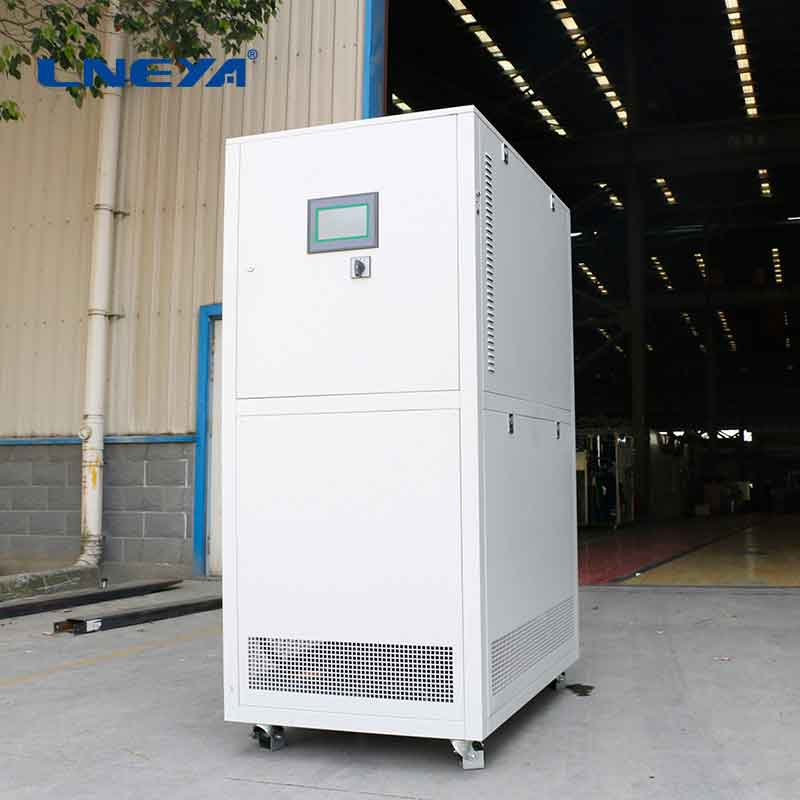
Intelligent Cooling: This involves the use of advanced control systems that automatically switch between free cooling and mechanical cooling based on ambient conditions and cooling demand, optimizing efficiency and reducing energy use.
Applications of Free Cooling Units
FCUs are applied in various settings where temperature control is critical:
Data Centers: In the data center industry, FCUs are used to maintain optimal operating temperatures for servers and other IT equipment, reducing the need for energy-intensive cooling systems.
Industrial Processes: Many industrial processes generate heat that must be managed. FCUs can provide a cost-effective solution for cooling these processes, especially in industries such as manufacturing and food processing.
Building Management: FCUs can be integrated into building management systems to provide comfortable indoor temperatures while reducing energy consumption and costs.
Efficiency and Sustainability of Free Cooling Units
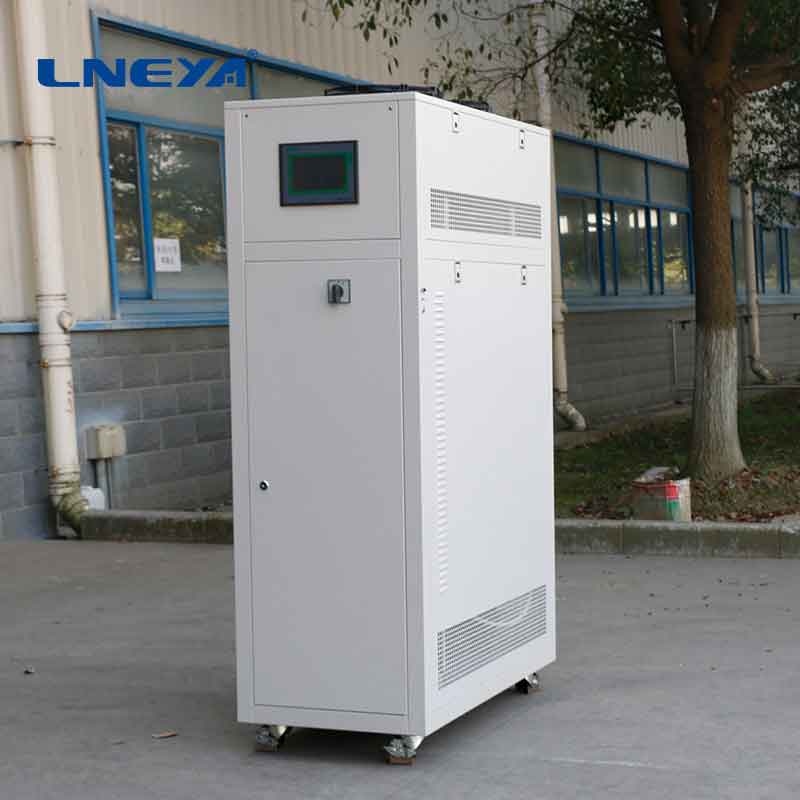
The efficiency of FCUs is influenced by the ambient temperature and the design of the cooling system. In colder climates or during nighttime hours, FCUs can operate more efficiently, reducing the load on mechanical chillers. The ecological benefits of FCUs include reduced greenhouse gas emissions due to lower energy consumption and the potential for cost savings for operators.
Global Market Trends
The global market for free cooling systems is projected to grow significantly, with a compound annual growth rate (CAGR) of 8.5%, reaching a value of USD 5.3 billion by 2032. This growth is driven by the increasing need for energy-efficient cooling solutions in data centers and the rising demand for sustainable practices in various industries.
Conclusion
Free cooling units offer a sustainable and cost-effective solution for temperature management in various applications. As technology advances and the need for energy efficiency grows, FCUs are becoming an increasingly attractive option for reducing reliance on traditional mechanical cooling methods. The future of FCUs looks promising, with continued growth expected in the global market and ongoing research into improving their efficiency and applications.
This content is copyrighted by LNEYA. If there is any infringement, please contact email: Lilia@lneya.com
The prev: cooling system controlThe next: freeze chiller
Related recommendations

1200 ton chiller
729Understanding 1200 Ton Chillers A 1200 ton chiller is a high-capacity cooling system that provides up to 1200 tons of cooling, equivalent to approximately 13,860,000 British Thermal Units (BTU)...
View detailsRefrigeration and Heating System Installation
1579Refrigeration and Heating System Installation Installation method of refrigeration and heating system Pay attention to the dust and impurities in the refrigerant pipeline during the ins...
View detailsair cooled industrial chiller
529Air-Cooled Industrial Chillers: Reliable Cooling for Industrial Applications Air-cooled industrial chillers are engineered to provide reliable and efficient cooling in a wide range of industria...
View detailswater baths laboratory
630Water Baths Laboratory: Types, Applications, and Working Principles Introduction to Water Baths LaboratoryWater baths are essential laboratory equipment used to maintain samples at a controlled...
View details




HelloPlease log in