 LNEYA Chiller

cooling system control
Introduction to Cooling System Control
Cooling system control is an essential aspect of modern technology, ensuring that temperatures are maintained within desired parameters in a variety of environments. These systems are crucial in industries where temperature control is critical for product quality, in data centers where it ensures the reliable operation of IT equipment, and in buildings where it contributes to occupant comfort and energy efficiency.
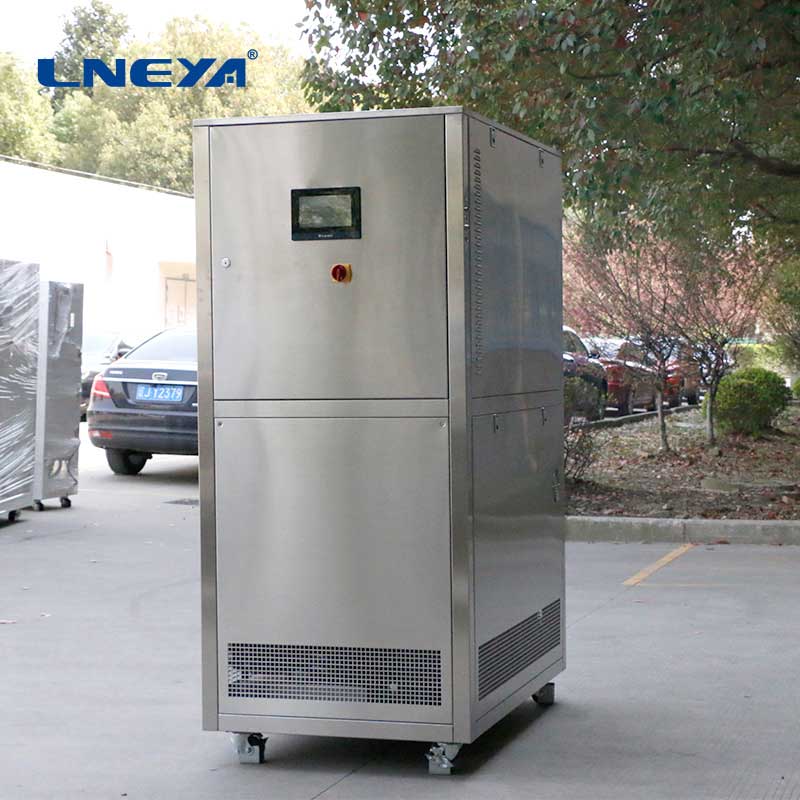
Types of Cooling Systems and Their Controls
Cooling systems can be broadly categorized into two types: air-based and water-based systems. Air-based systems, such as air conditioners and evaporative coolers, directly cool the air in a space. Water-based systems, on the other hand, use water or a water-glycol mixture to absorb heat and transfer it away from the area that needs cooling.
Control Strategies in Cooling Systems
Thermostatic Control: The most basic form of cooling control, where a thermostat senses the temperature and turns the cooling system on or off to maintain a set point.
Proportional Control: A more advanced method where the cooling system’s output is proportional to the difference between the desired and actual temperatures.
Advanced Control Strategies: These include model predictive control (MPC), which uses a model of the system to predict future behavior and optimize control actions, and artificial intelligence (AI), which can learn from data and adapt control strategies for improved performance.
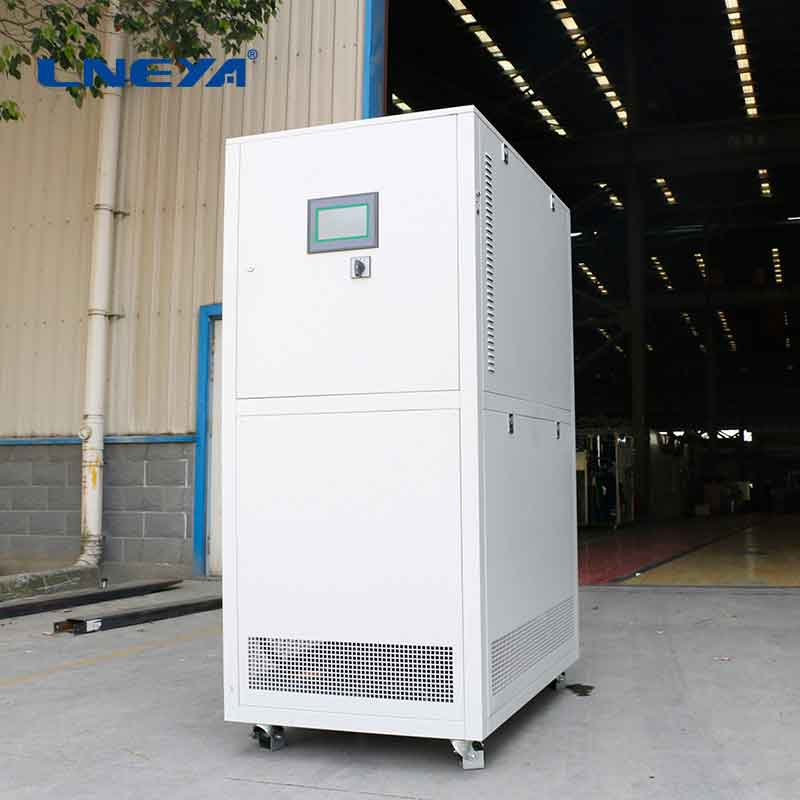
Energy Efficiency in Cooling System Control
Energy efficiency is a critical consideration in cooling system control. By optimizing the operation of cooling systems, energy consumption can be significantly reduced. This not only lowers operational costs but also reduces the environmental impact by decreasing greenhouse gas emissions. Strategies for improving energy efficiency include:
Variable Speed Drives (VSD): Allowing compressors and fans to operate at variable speeds based on the cooling demand, which can greatly reduce energy consumption.
Heat Recovery Systems: Capturing waste heat from one process and using it to preheat or cool another, thereby reducing the overall energy requirement.
Smart Controls and IoT: Integrating cooling systems with the Internet of Things (IoT) enables real-time monitoring and control, leading to more efficient operation.
Sustainability and the Future of Cooling System Control
As the world moves towards more sustainable practices, cooling system control plays a significant role in reducing energy consumption and environmental impact. The future of cooling system control is likely to involve:
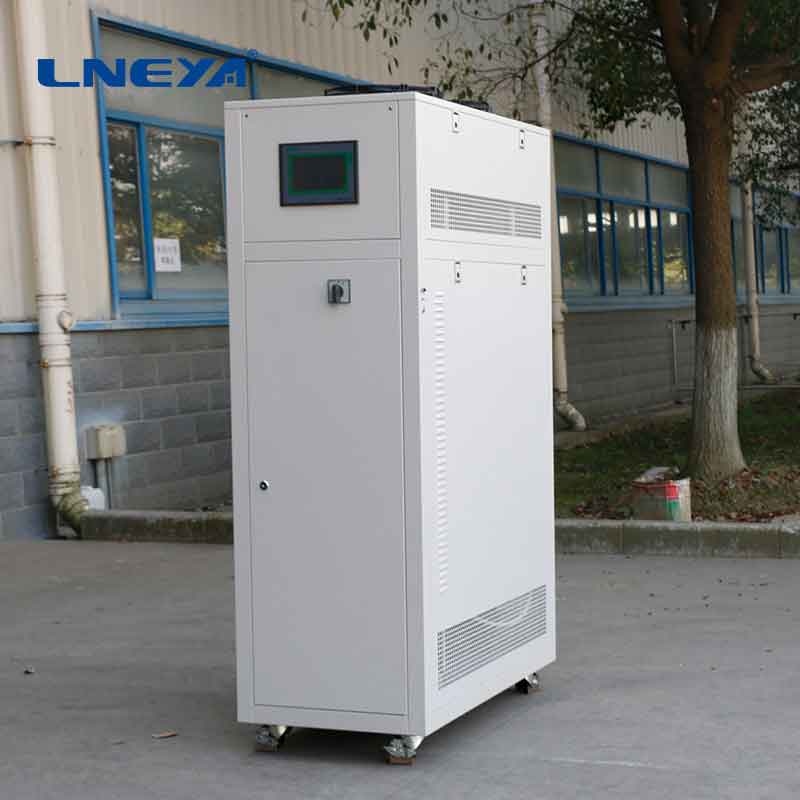
Increased Use of AI and Machine Learning: These technologies can analyze large amounts of data to predict and optimize cooling needs more accurately.
Integration with Renewable Energy Sources: Using solar or geothermal energy to power cooling systems, reducing reliance on fossil fuels.
Adaptive Controls for Dynamic Environments: Developing control systems that can adapt to changing conditions in real-time, such as fluctuating temperatures or occupancy levels.
Conclusion
Cooling system control is a complex and evolving field that plays a critical role in maintaining comfortable and efficient environments. As technology advances, the focus on energy efficiency and sustainability will continue to shape the development of cooling system control strategies. By understanding and implementing these advanced controls, we can ensure that cooling systems operate more efficiently, reducing costs and environmental impacts while maintaining the desired temperature conditions.
This content is copyrighted by LNEYA. If there is any infringement, please contact email: Lilia@lneya.com
The prev: chill chillerThe next: free cooling unit
Related recommendations

cooling and heating
238Cooling and heating are two interrelated processes that play a pivotal role in modern life. Whether it's keeping homes cozy during winter or maintaining a comfortable temperature in offices during...
View detailsheat transfer oil system
470Understanding Heat Transfer Oil SystemsHeat transfer oil systems are engineered to provide precise temperature control across a range of industrial processes. These systems operate by circulating ...
View detailswater cooler cycle
628Water Cooler Cycle: A Comprehensive GuideThe water cooler cycle is a fundamental process in many cooling systems, enabling efficient heat removal and temperature regulation. It is widely used in w...
View detailsportable temperature control unit
255Portable temperature control units have become essential tools across numerous fields, enabling users to maintain desired temperature conditions regardless of location. These units are engineered ...
View details




HelloPlease log in