 LNEYA Chiller

industrial chiller plant
Understanding Industrial Chiller Plants
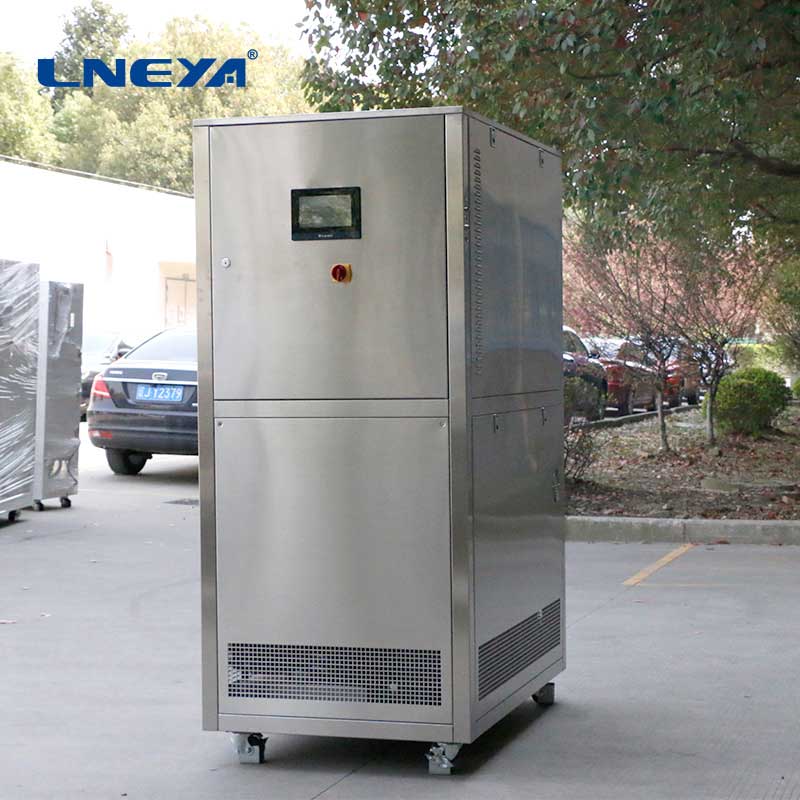
Industrial chiller plants are sophisticated refrigeration systems designed to remove heat from a process or facility, thereby maintaining optimal temperature levels. They act as the backbone of many industrial processes, particularly in sectors such as manufacturing, food and beverage, pharmaceuticals, and chemical industries, where precise temperature control is vital for product quality and safety.
Types and Working Principles
Industrial chiller plants can be classified into various types based on their cooling methods, such as air-cooled, water-cooled, and evaporative-cooled chillers. The working principle of these chillers involves a refrigeration cycle that circulates a refrigerant to absorb heat from the process and release it to the environment, thus cooling the process fluid or space.
Efficiency and Performance
The efficiency of industrial chiller plants is measured by their coefficient of performance (COP), which is the ratio of the cooling effect produced to the work input. A high COP indicates a more energy-efficient chiller. Factors influencing the performance include the type of refrigerant used, the design of the chiller, and the operating conditions.
Energy Efficiency and Optimization
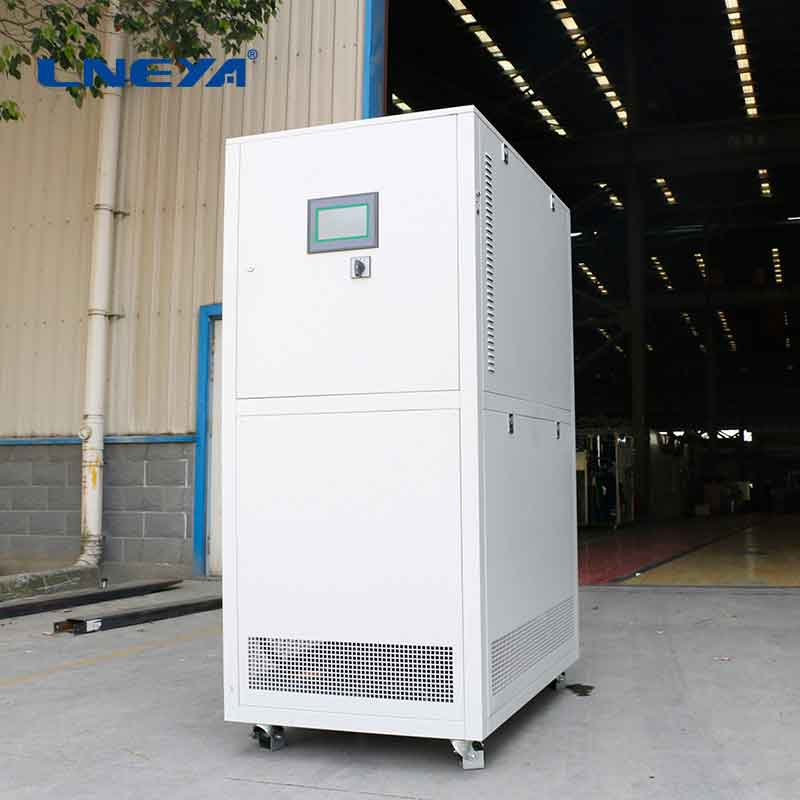
Energy efficiency is a key consideration in industrial chiller plant design and operation. By optimizing control setpoints, it is possible to achieve significant energy savings, with some studies reporting an 8.6% energy-saving potential. Advanced control strategies, such as predictive optimization control, can further enhance energy efficiency by integrating accurate dynamic cooling load forecasting into the optimization process.
Environmental Impact and Regulations
With the increasing focus on environmental sustainability, the choice of refrigerants in industrial chiller plants is coming under scrutiny. The Kigali Amendment to the Montreal Protocol has prompted the regulation of HFC refrigerants, leading to the development of chiller plants that can operate with both HFC and HFO refrigerants, reducing the environmental impact.
Conclusion
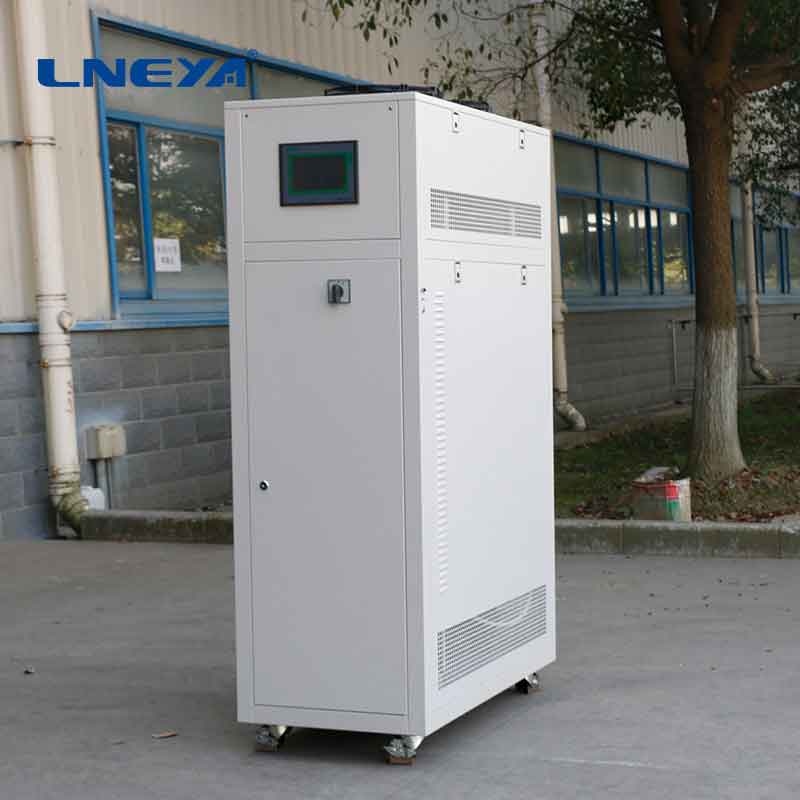
Industrial chiller plants are essential for maintaining optimal temperatures in industrial processes. They offer a range of cooling solutions tailored to specific industry needs. Energy efficiency and environmental considerations are driving innovations in chiller plant design and operation, with a focus on optimizing performance and reducing environmental impact. By adopting advanced control strategies and considering the environmental footprint, industries can enhance the efficiency and sustainability of their chiller plants.
This content is copyrighted by LNEYA. If there is any infringement, please contact email: Lilia@lneya.com
The prev: industrial chiller costThe next: industrial inline water chiller
Related recommendations

water bath evaporation
207Water Bath Evaporation: Principles, Factors, and ApplicationsEvaporation is a fundamental physical process that occurs when a liquid transforms into a gaseous state at its surface. A water bath, ...
View detailsGlass Reactor Cold and Heat Cycle Device
1319Glass Reactor Cold and Heat Cycle Device The glass reactor cold and heat cycle device is widely used in industrial production and plays a very important role. Especially in the chemical indu...
View detailschilled glycol
254IntroductionChilled glycol plays a pivotal role in numerous industrial, commercial, and even some residential cooling applications. As a specialized coolant, it has the unique ability to operate ...
View detailsair cool chiller
736Introduction to Air-Cool Chillers Air-cooled chillers are integral to modern cooling systems, particularly in regions where water scarcity is a concern. They operate on the thermodynamic vapor ...
View details





HelloPlease log in